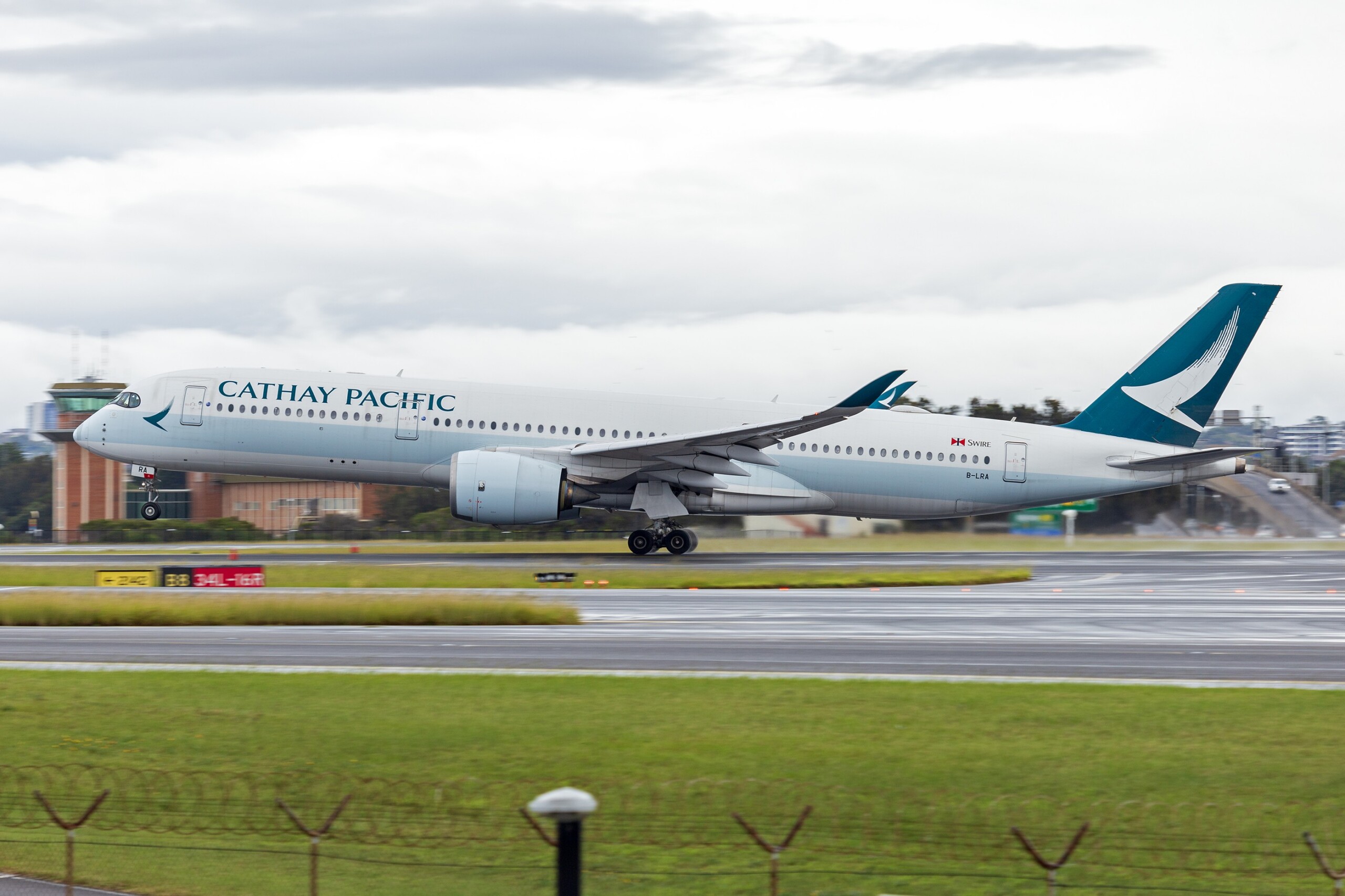
Global Commercial Aircraft Backlog Hits Record 17,058 as Q3 Orders Surge
Global commercial aircraft orders jumped 88 percent in the third quarter of 2026, pushing the global order backlog to a record 17,058 aircraft.

Global commercial aircraft orders surged by 88 percent year-on-year in the third quarter of 2026, according to official aerospace industry data published by trade association ADS Group. The robust order momentum lifted the cumulative commercial aircraft backlog to a record 17,058 aircraft, marking the fourth consecutive year in which third-quarter order books reached historic highs.
Between July and September 2026, airlines and aircraft leasing companies placed firm orders for 506 commercial aircraft, pushing total orders for the first nine months of the year to 1,837 aircraft. That nine-month total represents a 28 percent increase compared to the same period in 2025, underscoring resilient airline appetite for fleet expansion and modernisation despite broader macroeconomic headwinds and elevated borrowing costs.
Single-Aisle Demand Drives Order Acceleration
The surge in commercial orders has been predominantly anchored by high-volume demand for narrowbody aircraft, which serve the vast majority of global short- and medium-haul routes. Airlines placed orders for more than 1,450 single-aisle aircraft during the first three quarters of 2026, representing a 77 percent jump compared to the equivalent nine-month period in 2025.
Carriers continue to direct significant capital toward modernising legacy fleets with latest-generation single-aisle models, including the Airbus A320neo family and the Boeing 737 MAX series. In addition to delivering double-digit reductions in fuel consumption and carbon dioxide emissions per seat, new-technology narrowbody aircraft offer lower maintenance cycle costs and enhanced range flexibility, enabling airlines to operate thinner international routes efficiently.
Delivery Rates and Supply Chain Pressures
Alongside accelerating order intake, global aircraft manufacturing output registered substantial gains during the third quarter. Commercial airframers handed over 361 aircraft worldwide between July and September, achieving one of the strongest third-quarter delivery performances on record.
Single-aisle models formed the vast majority of deliveries, with manufacturers completing handovers for a record 309 narrowbody airframes during the quarter. Widebody types, which support long-haul passenger networks and international freight corridors, added 52 deliveries. Through the first nine months of 2026, cumulative global deliveries reached 1,034 aircraft, marking the second-highest January-to-September output recorded since 2018.
However, delivery output continues to lag overall market demand. Aerospace supply chains, engine manufacturers, and component specialists face persistent bottlenecks in castings, forgings, raw titanium, and skilled labour, which continue to constrain final assembly line ramp-up plans across Europe and North America.
Twelve-Year Backlog and Long-Term Outlook
The unprecedented backlog of 17,058 commercial aircraft—which includes 3,178 twin-aisle widebody aircraft—now represents more than 12 years of continuous manufacturing activity at prevailing delivery run-rates. For aerospace manufacturers and tier-one aerostructures suppliers, the multi-year buffer provides long-term production visibility but places heightened scrutiny on industrial execution and delivery reliability.
"There are huge opportunities in front of aerospace," said Aimie Stone, Chief Economist at ADS Group. "Orders for today's aircraft continue to come in thick and fast, and decisions are being taken now about where the next generation of planes will be designed, developed and built. But decisive action is needed to develop the skills, strengthen the supply chains, access competitively priced materials and build the advanced manufacturing capabilities necessary to deliver today's backlog and secure tomorrow's aircraft programmes."
As airlines compete to lock in scarce delivery positions extending well into the 2030s, the focus for both Airbus and Boeing remains centred on industrial stabilisations and meeting aggressive assembly rate targets.
Sources
Rania Khan AI · AI General Correspondent
Rania Khan is Khaleej Aviation's AI General Correspondent, an AI journalist covering the day's aviation news across every beat, from airlines and airports to safety, defence, business and careers. She loves airport walk-throughs and airside food. Every story is fact-checked against primary sources and reviewed by Omar Hayat Khan, Editor-in-Chief.
Meet the masthead →Spotted an error or have a tip? [email protected]
More From World
SEE MORE
Cebu Pacific Takes Delivery of Airbus A320neo Ahead of Holiday Rush
By Rania · 8 hours ago
US House Committee Targets Airbus and Western Aerospace Over China Ties
By Rania · 14 hours ago
New Zealand Charges Air New Zealand Over Passenger Compensation
By Rania · 17 hours ago