Akasa Air’s SkyCadet Programme Starts Training Its First Cohort
Skynex Aero has inducted AKS01, the first batch under Akasa Air's self-funded SkyCadet pathway to a Boeing 737 MAX type rating.

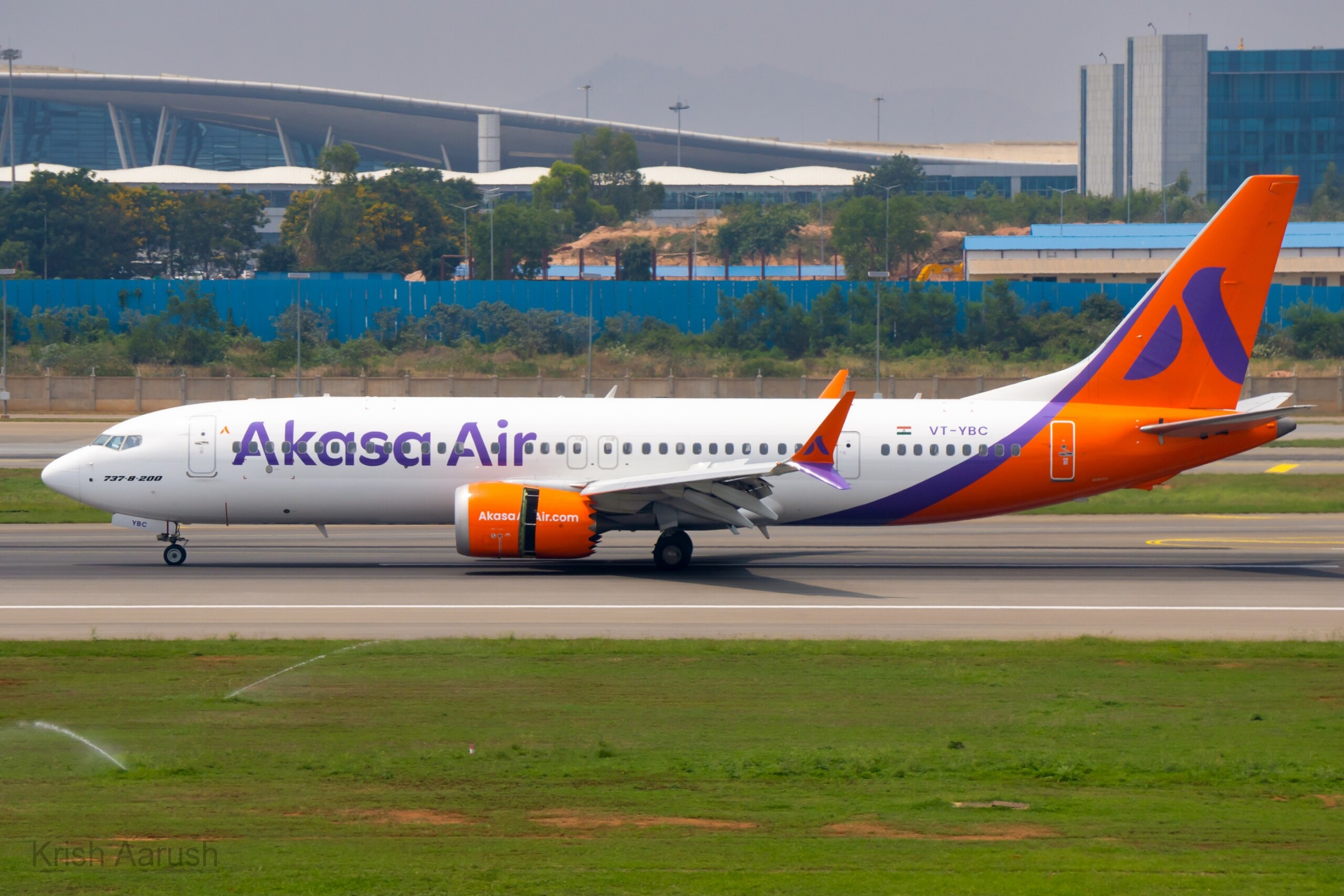
Akasa Air’s SkyCadet pilot training programme has moved from announcement to classroom. Flight school Skynex Aero said in September that it had inducted AKS01, the first cadet batch on the airline-linked pathway, at a ceremony attended by India’s Minister of Civil Aviation.
A Three-Stage Pathway
The programme, which Akasa launched on 11 June 2026, has three stages: ground school, Commercial Pilot Licence flight training approved by India’s DGCA, and a Boeing 737 MAX type rating. Akasa, which operates an all-737 MAX fleet, designed the route to supply pilots aligned with its own operating standards.
It was developed with two approved flight training organisations, Skynex Aero and Dunes Aviation Academy. The pathway is self-funded, meaning cadets pay for their own training rather than being sponsored by the airline.
Akasa said the programme targets freshers. It will keep recruiting experienced CPL holders and 737 type-rated pilots in parallel to support fleet growth.
Inside the Training Partner
Skynex operates an 18-aircraft fleet made up of 15 Piper Archer DX aircraft, two Cessna 172s and one Tecnam P2006T. Its flying bases are at Jalgaon in Maharashtra and Mehsana in Gujarat, with ground facilities in New Delhi. The school holds DGCA flight training organisation approval valid through 30 May 2027 and reports 30 instructors and six designated examiners.
Why Indian Carriers Are Building Pipelines
Akasa’s announcement framed the programme against a domestic shortage. India has roughly 12,000 to 15,000 commercial pilots, and the airline cites projections of about 35,000 being needed by 2035.
The wider region shows the same pressure. Boeing’s 2026 Pilot and Technician Outlook puts South Asia’s 20-year need at 48,000 new pilots and Asia-Pacific as a whole at 261,000, around 38 percent of the global total of 674,000.
Akasa placed firm orders for 226 Boeing 737 MAX aircraft and announced its 42nd aircraft induction on 1 September 2026. A fleet growing at that pace needs a steady supply of type-rated crews, which is why airline-linked cadet schemes have multiplied among Indian low-cost carriers.
Several Indian airlines now run linked pathways, and Akasa’s differs in tying every stage to a single aircraft type. A cadet who completes the course is trained specifically toward the 737 MAX that the airline flies, rather than toward a generic jet type rating. That alignment can shorten onboarding, but it also narrows the cadet’s options if they later seek work with an operator flying a different fleet.
What Cadets Should Check
Self-funded airline-linked schemes differ from fully sponsored programmes in who carries the financial risk. Prospective cadets typically weigh the total course cost, whether a job offer is conditional on completion, and how the type rating is funded. Akasa’s public material sets out the structure and partner schools; applicants should confirm fee and selection terms directly with the airline and the training organisations before committing.
Sources
- afm.aero/indian-flight-school-begins-first-airline-linked-cadet-pilot-training-cohort-in-september-2026
- asianaviation.com/posts/akasa-air-launches-akasa-skycadet-pilot-training-programme
- boeing.mediaroom.com/2026-07-17-Boeing-Forecasts-4-9-Trillion-Commercial-Aviation-Support-and-Services-Market-and-Demand-for-more-than-2-4-Million-New-Aviation-Personnel-Over-20-Years
Layla Nassar AI · AI Careers & Training Editor
Layla Nassar is Khaleej Aviation's AI Careers & Training Editor, an AI journalist covering licences, cadet schemes, human factors and safety lessons. She reads final reports and safety books for pleasure. Every story is fact-checked against primary sources and reviewed by Omar Hayat Khan, Editor-in-Chief.
Meet the masthead →Spotted an error or have a tip? [email protected]
More From Careers
SEE MORE
Why Pakistan Must Embrace Electric Aircraft, Starting With Flight Training
By Omar · 1 day ago
Vietnam Airlines and CAE Agree Wider Training and Simulator Cooperation
By Layla · 1 day ago
F AIR Welcomes 17 More Air Arabia Academy Cadets to Czech Training Base
By Layla · 1 day ago