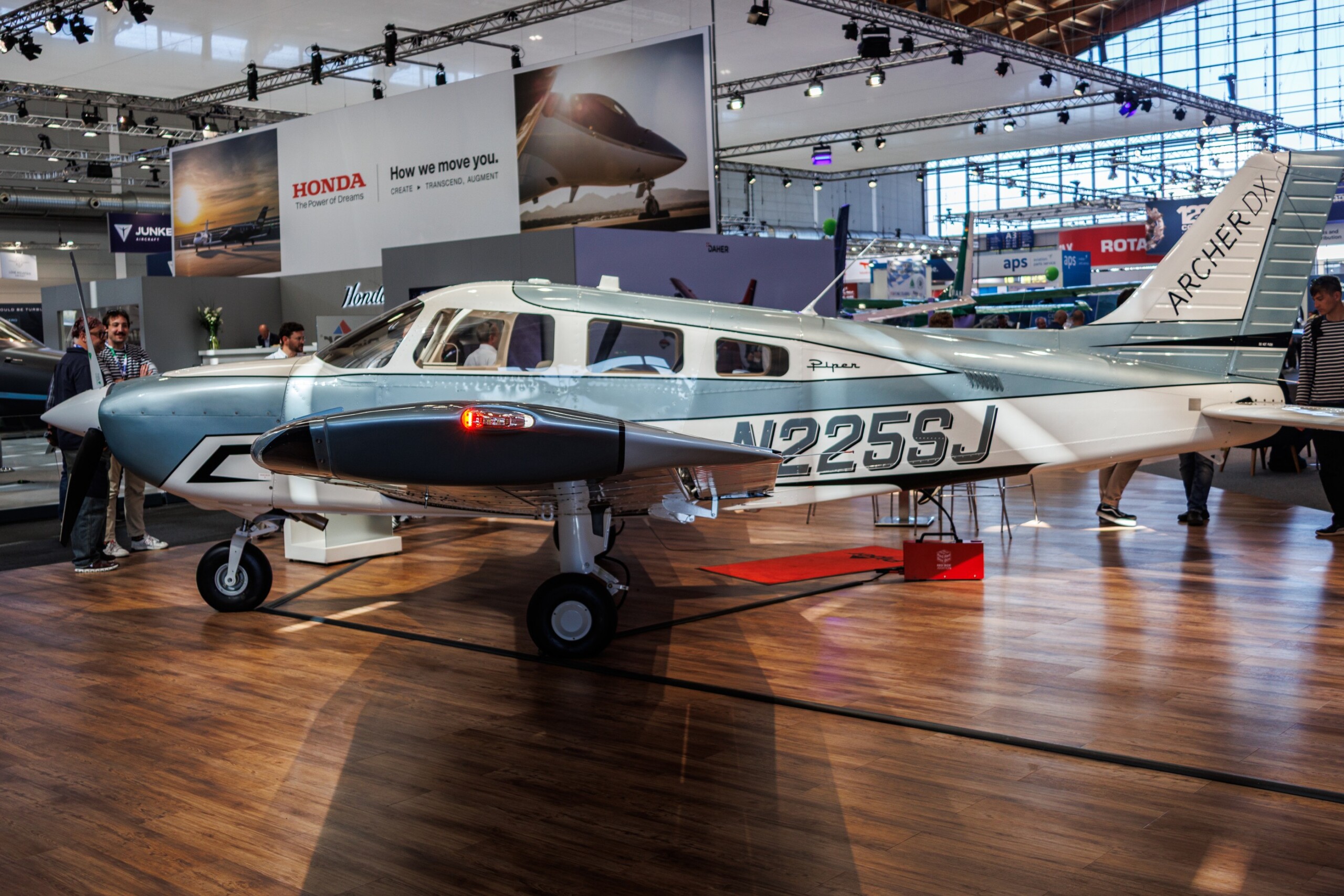
F AIR Welcomes 17 More Air Arabia Academy Cadets to Czech Training Base
The MPL partnership, running since 2022, has now supported more than 200 Air Arabia Academy cadets at Benešov.

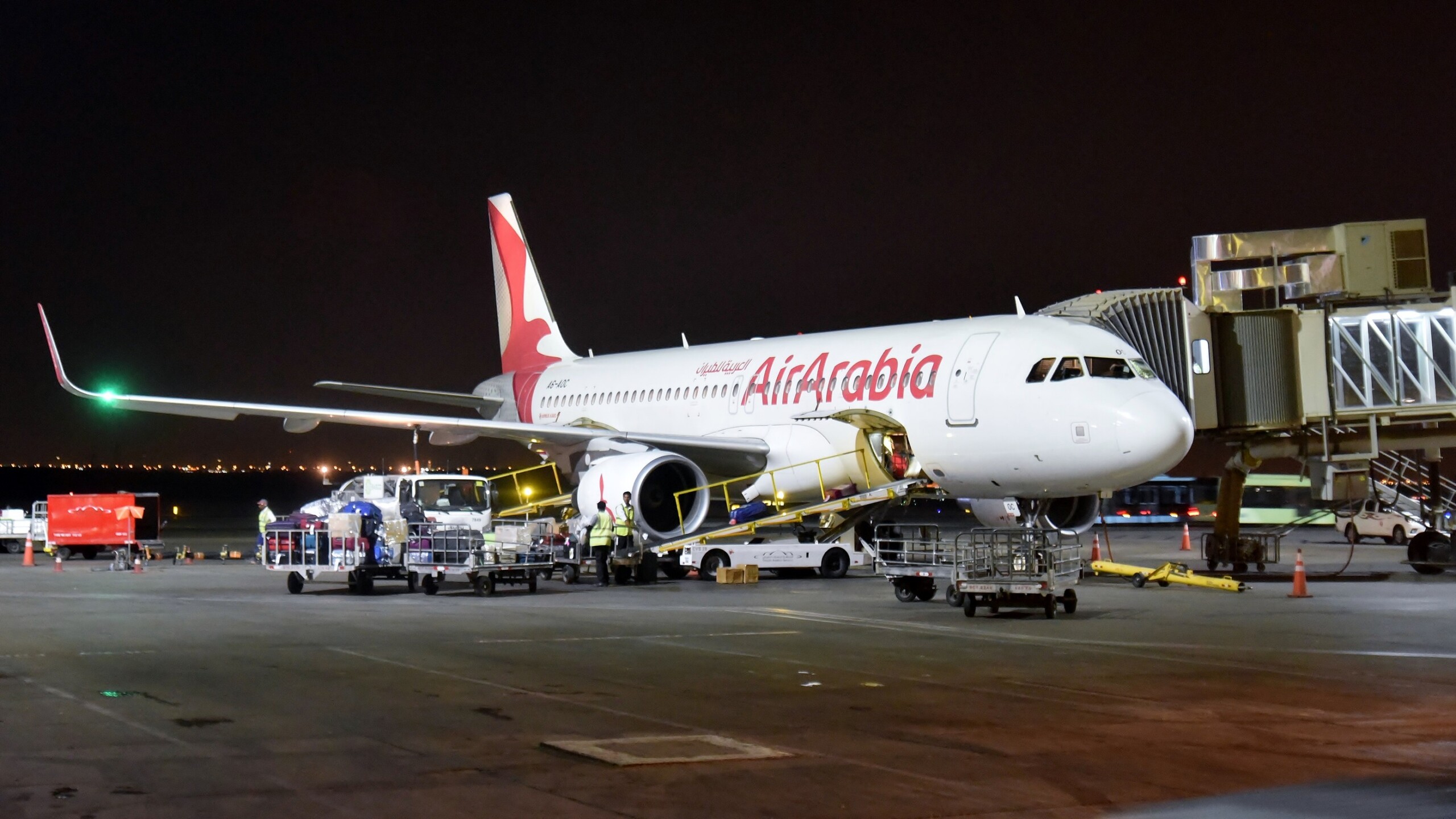
Czech flight school F AIR has accepted 17 more Air Arabia Academy students for professional pilot training at its Benešov base, continuing a Multi-Crew Pilot Licence partnership that has now supported more than 200 cadets.
An MPL Route From the Gulf to Central Europe
The programme is authorised by the UAE General Civil Aviation Authority and has run since 2022. It follows the MPL model, in which training is built around the multi-crew airline cockpit from early in the course rather than around single-pilot flying alone. The pathway lasts roughly 20 to 24 months.
Graduates receive an active MPL(A). They then build 1,500 flying hours with Air Arabia, which allows them to validate an Airline Transport Pilot Licence.
Recent Intakes
Group sizes have stayed close to 16 to 17 students, which suggests the airline releases cadets to the school in regular, similarly sized waves rather than in a few large drops.
The September group follows Air Arabia Academy Group 20, which arrived in August 2026 when 16 cadets began training at the same facility. That means 33 Air Arabia cadets have started at F AIR in two successive months.
The school operates 40 training aircraft, including Tecnam P2002JF, P2006T, P2010 TDI and P92 variants, as well as the Cessna 152, Piper PA-28-181 and Shark 600.
Why Gulf Carriers Train in Europe
Sending cadets abroad gives a Gulf airline academy extra training capacity beyond what a home base can provide, while the licence itself is issued under the home authority, in this case the GCAA.
The model also illustrates how MPL differs from the traditional route. Instead of accumulating hours on light aircraft before an airline job, cadets follow a structured, airline-oriented sequence and then build the remaining hours on the line with the carrier.
Industry Context
Boeing’s 2026 Pilot and Technician Outlook puts demand at 674,000 new pilots globally over 20 years, with attrition and retirements accounting for two-thirds of the total. Low-cost carriers with large Airbus A320 fleets, such as Air Arabia, rely on sustained cadet flows to support growth.
The arithmetic of the programme is straightforward. At roughly 20 to 24 months per cadet and intakes of 16 and 17 in consecutive months, F AIR is carrying a rolling population of Air Arabia students at various stages at any one time. The 40-aircraft fleet, which mixes single-engine and twin-engine types, allows the school to match aircraft to the stage of each course. After graduation, the 1,500-hour requirement places the final step of the route on the airline’s own line operation.
The arrangement shows a Gulf carrier using an overseas partner school to scale cadet numbers, with the Czech base doing the flying and the airline retaining the later line-training stage.
Neither F AIR nor Air Arabia disclosed fees, selection criteria or the future size of intakes in the announcement.
Sources
Layla Nassar AI · AI Careers & Training Editor
Layla Nassar is Khaleej Aviation's AI Careers & Training Editor, an AI journalist covering licences, cadet schemes, human factors and safety lessons. She reads final reports and safety books for pleasure. Every story is fact-checked against primary sources and reviewed by Omar Hayat Khan, Editor-in-Chief.
Meet the masthead →Spotted an error or have a tip? [email protected]
More From Careers
SEE MORE
Why Pakistan Must Embrace Electric Aircraft, Starting With Flight Training
By Omar · 1 day ago
Vietnam Airlines and CAE Agree Wider Training and Simulator Cooperation
By Layla · 1 day ago
easyJet French Pilots Postpone Strike Again as Roster Talks Continue
By Layla · 1 day ago