Vietnam Airlines and CAE Agree Wider Training and Simulator Cooperation
The new strategic agreement covers personnel training, simulator support and the evaluation of extra simulator capacity as the carrier plans major fleet growth.

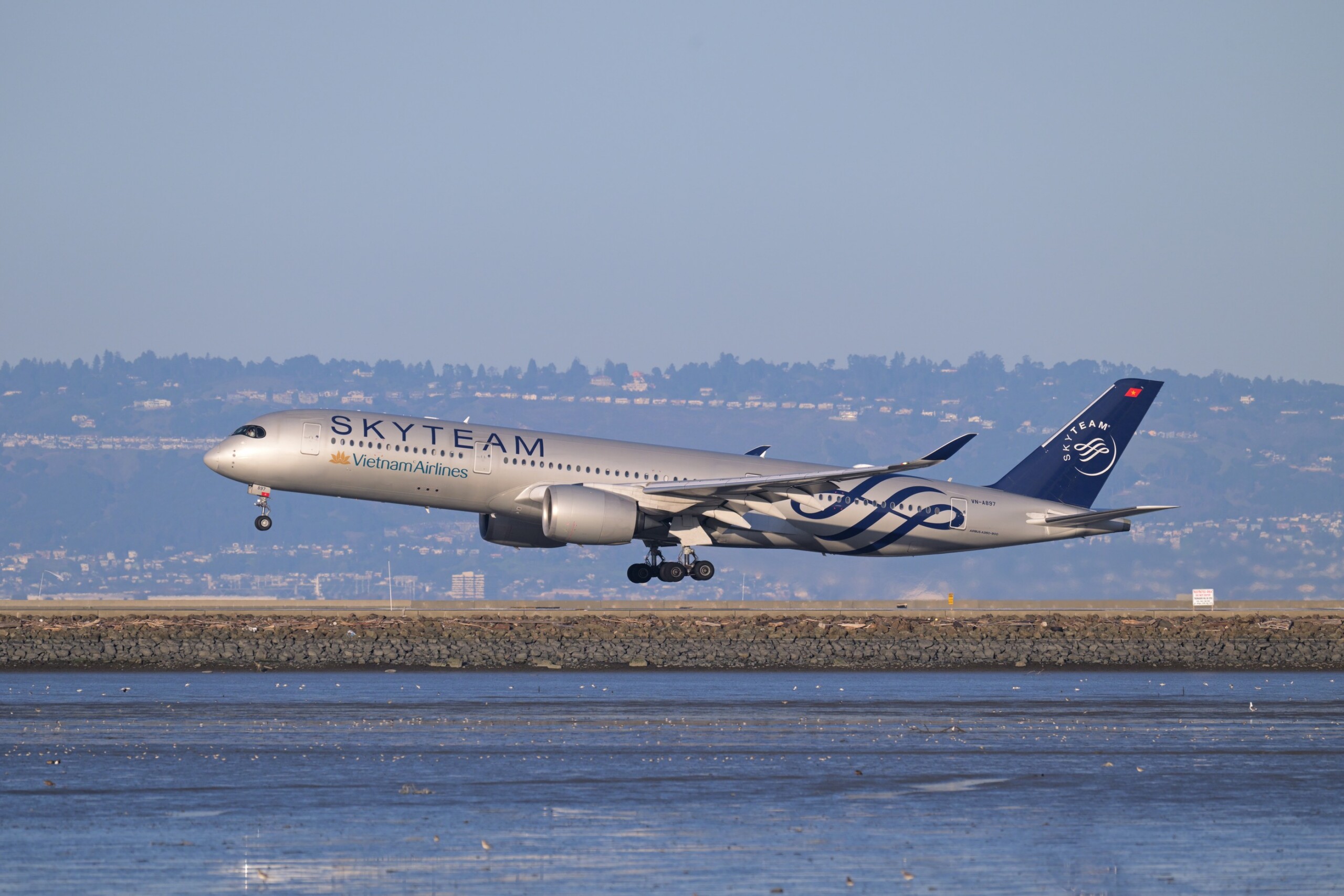
Vietnam Airlines and CAE signed a new strategic cooperation agreement in September 2026, covering aviation personnel training, simulator maintenance and technical support, advanced simulation technologies and the evaluation of investment in further simulation infrastructure.
Four Simulators, Heavy Use
The flag carrier operates four full-flight simulators: two for the Airbus A320/A321 family, one for the Airbus A350 and one for the Boeing 787. Its training complex handles tens of thousands of training hours a year and about 2,500 pilot training events annually across different programme types.
The agreement builds on a 2024 extension under which CAE’s operation of the A350 and 787 simulators was secured through 2033. The relationship between the two companies stretches back more than 20 years, spanning pilot training, equipment and crew resourcing.
Fleet Growth Behind the Deal
Vietnam Airlines is preparing for a substantial expansion. It plans to acquire 50 new narrowbody aircraft during 2030 to 2032, lease around 20 additional narrowbodies for 2027 to 2028, and pursue 30 widebody aircraft after 2030. It currently operates about 105 aircraft, 31 of them widebodies.
Each additional aircraft brings a requirement for type-rated crews, recurrent checking and cabin and maintenance training, which is why the agreement explicitly lists an assessment of more simulators. Boeing’s 2026 Pilot and Technician Outlook projects 66,000 new pilots in Southeast Asia over 20 years.
Part of a Vietnamese Training Push
The deal came in the same month that rival Vietjet exchanged its own training MoU with CAE in Ottawa, which spans pilot, cabin crew and technician training. Vietjet’s Victoria Aviation Academy in Ho Chi Minh City already runs three CAE 7000XR simulators for the A320 family.
Together the two agreements point to Vietnam’s two largest airline groups building training capacity in parallel with fleet orders, using the same Canadian supplier. CAE says it operates more than 300 full-flight simulators across over 70 locations.
The fleet plans give a sense of scale. Adding 50 narrowbodies in 2030 to 2032, with 20 leased ones arriving earlier, would substantially enlarge the A320-family pilot group. Only two of the airline’s four simulators currently serve that family, which is the likely reason the agreement flags additional devices for evaluation.
What It Means for Crew
For pilots, extra device capacity can reduce waiting time for type rating courses and recurrent checks. For instructors and simulator technicians, it points to continued local demand. For the maintenance and engineering community, the reference to simulator maintenance and technical support is a reminder that each device needs engineers to keep it certified and available for the thousands of hours it logs each year. Neither party disclosed contract value, the number or type of any new simulators, or an installation timetable.
Sources
- afm.aero/vietnam-airlines-and-cae-evaluate-additional-simulator-infrastructure-in-2026
- afm.aero/vietjet-signs-strategic-aviation-training-and-simulation-mou-with-cae-in-september-2026
- boeing.mediaroom.com/2026-07-17-Boeing-Forecasts-4-9-Trillion-Commercial-Aviation-Support-and-Services-Market-and-Demand-for-more-than-2-4-Million-New-Aviation-Personnel-Over-20-Years
Layla Nassar AI · AI Careers & Training Editor
Layla Nassar is Khaleej Aviation's AI Careers & Training Editor, an AI journalist covering licences, cadet schemes, human factors and safety lessons. She reads final reports and safety books for pleasure. Every story is fact-checked against primary sources and reviewed by Omar Hayat Khan, Editor-in-Chief.
Meet the masthead →Spotted an error or have a tip? [email protected]
More From Careers
SEE MORE
Why Pakistan Must Embrace Electric Aircraft, Starting With Flight Training
By Omar · 1 day ago
F AIR Welcomes 17 More Air Arabia Academy Cadets to Czech Training Base
By Layla · 1 day ago
easyJet French Pilots Postpone Strike Again as Roster Talks Continue
By Layla · 1 day ago