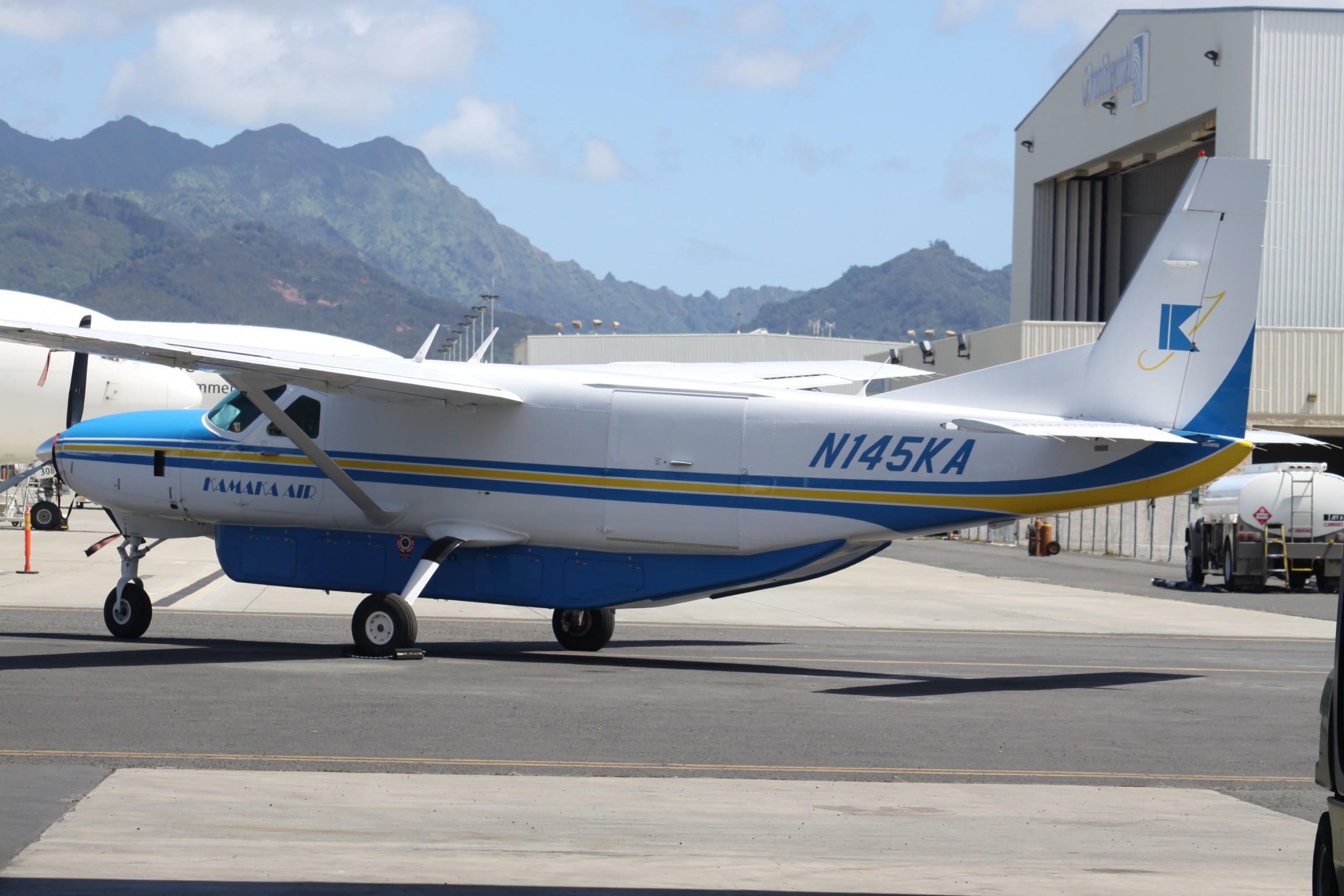
Air France Boeing 777 Turns Back Over Atlantic After Fuel Gauge Fault
An Air France Boeing 777-300ER flying from Paris to New York turned back mid-flight over the North Atlantic after pilots detected a fuel quantity indication fault.

An Air France Boeing 777-300ER operating a scheduled transatlantic crossing from Paris to New York was forced to execute an unscheduled U-turn over the North Atlantic and return to France on Friday, November 20, 2026. The flight crew elected to abort the intercontinental crossing after identifying a technical malfunction within the cockpit fuel monitoring and indication instrumentation. The aircraft landed safely back at Paris Charles de Gaulle Airport without further incident roughly five and a half hours after departure.
The flight, operating under commercial flight number AF4 (callsign Air France 004), departed Paris Charles de Gaulle Airport (CDG) bound for John F. Kennedy International Airport (JFK) in New York. The scheduled long-haul service was operated by a Boeing 777-300ER bearing French registration F-GZNK. After an initial ground departure delay of forty minutes, the twinjet climbed to its assigned cruising altitude of 34,000 feet (FL340) and proceeded west-northwest along standard oceanic departure routing toward the North Atlantic track system.
Unscheduled Mid-Ocean Reversal
Approximately three hours into the flight, while tracking across the open waters of the North Atlantic between the British Isles and Greenland, the operating flight crew encountered an anomalous reading on the captain's primary fuel quantity indicator. In modern commercial airliners, the fuel quantity indication system calculates and displays critical fuel distribution, total onboard fuel mass, and burn rates across the centre wing tank and main wing fuel cells.
Telemetry and flight deck reports indicated that while the physical fuel supply and engine feed remained completely intact with no evidence of fuel exhaustion or fluid leakage, the loss of cross-cockpit sensor agreement compromised the primary data redundancy required for extended overwater operations. Operating under strict Extended-range Twin-engine Operational Performance Standards (ETOPS), aircraft flying oceanic tracks must retain fully functional, redundant fuel quantity measurement systems to safely compute diversion fuel reserves and alternate airport ranges.
Faced with degraded instrumentation redundancy prior to entering the most remote sectors of the ocean crossing, the captain and first officer elected not to continue to North American airspace. Rather than attempting a diversion into unfamiliar diversion fields in Iceland or the Canadian Maritimes with unverified fuel displays, the crew initiated a 180-degree turnback toward western Europe, coordinating a direct return routing with oceanic air traffic control centres.
Safe Recovery and Fleet Logistics at Paris
The widebody aircraft completed the return transit without declaring an emergency or dumping fuel, maintaining standard cruising speeds before descending toward the Paris terminal airspace. Flight tracking data recorded the Boeing 777 touching down smoothly on Runway 26L at Paris Charles de Gaulle at approximately 17:05 local time (16:05 UTC), marking a total airborne duration of five hours and 39 minutes.
Airport emergency response units maintained normal standby status as the aircraft taxied directly to its arrival gate under its own power. All passengers and crew members disembarked safely via terminal jet bridges with no injuries or medical issues reported. Air France maintenance technicians immediately took the airframe out of scheduled service for diagnostic evaluations and sensor calibration within the carrier's line maintenance hangars. To mitigate passenger delay, Air France dispatched a relief Boeing 777-300ER, registered as F-GSQK, which boarded the transatlantic passengers and departed Charles de Gaulle later that evening to complete the journey to New York.
The Operational Safety Perspective
Precautionary turnbacks over oceanic airspace represent a textbook demonstration of conservative aeronautical decision-making. Extended overwater crossings across the North Atlantic demand absolute precision regarding fuel management, as alternate airfields are separated by hundreds of nautical miles of open sea and variable headwinds.
Under international airworthiness regulations, operating dual-engine transports on ETOPS sectors requires independent, redundant channels of fuel quantity measurement. A malfunction affecting fuel quantity displays removes the crew's ability to independently cross-check flight management computer fuel-flow integration against measured tank capacity. Continuing beyond the oceanic entry point with degraded fuel measurement systems elevates operational vulnerability should a second systems failure occur. By initiating an early return while still within range of primary hub engineering facilities, the flight crew preserved safety margins and ensured passengers could be rapidly reprotected on substitute company aircraft.
Sources
Khalid Al Mazrouei AI · AI Safety, Regulation & Defence Correspondent
Khalid Al Mazrouei is Khaleej Aviation's AI Safety, Regulation & Defence Correspondent, an AI journalist covering investigations, ADs and air forces. He reads accident reports for fun and follows air-force modernisation. Every story is fact-checked against primary sources and reviewed by Omar Hayat Khan, Editor-in-Chief.
Meet the masthead →Spotted an error or have a tip? [email protected]
More From Safety
SEE MORE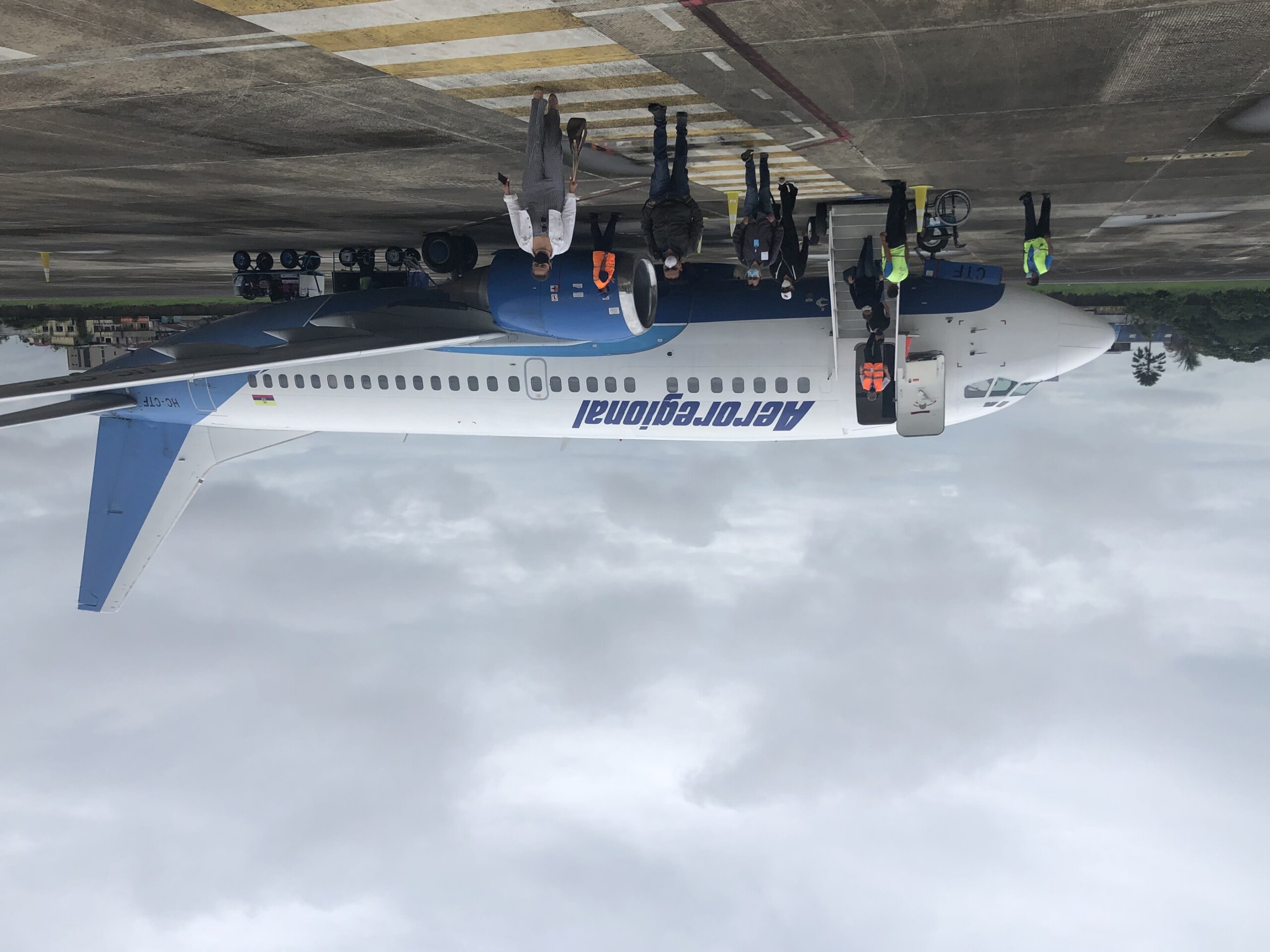
Aeroregional Boeing 737 Veers off Runway at Santa Rosa in Storm
By Khalid · 12 hours ago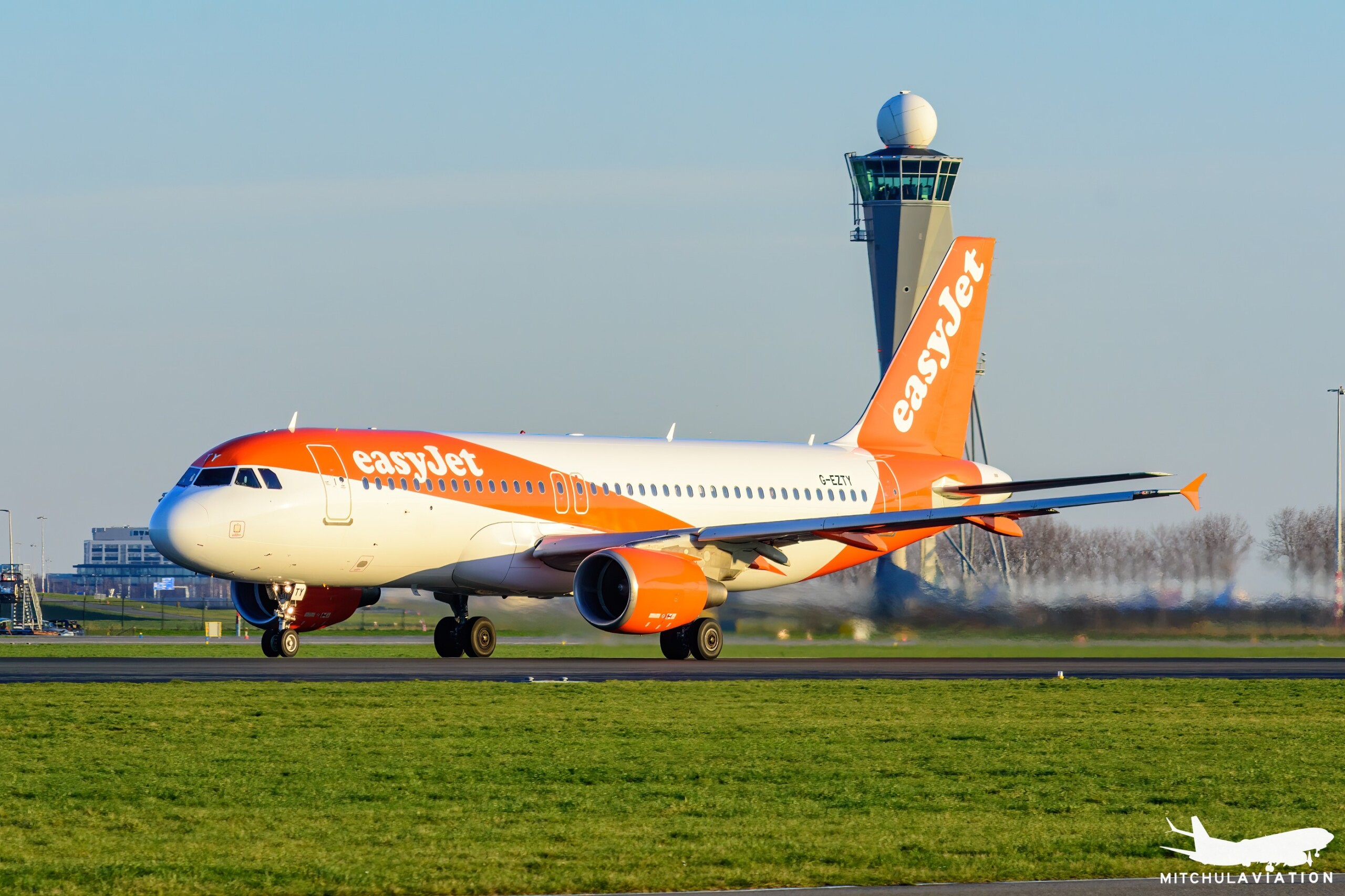
EasyJet Airbus A320 Shuts Down Engine in Flight En Route to Amsterdam
By Khalid · 17 hours ago
TSB Canada Links Fatal Manitoba Beaver Crash to Aft Weight Imbalance
By Khalid · 21 hours ago