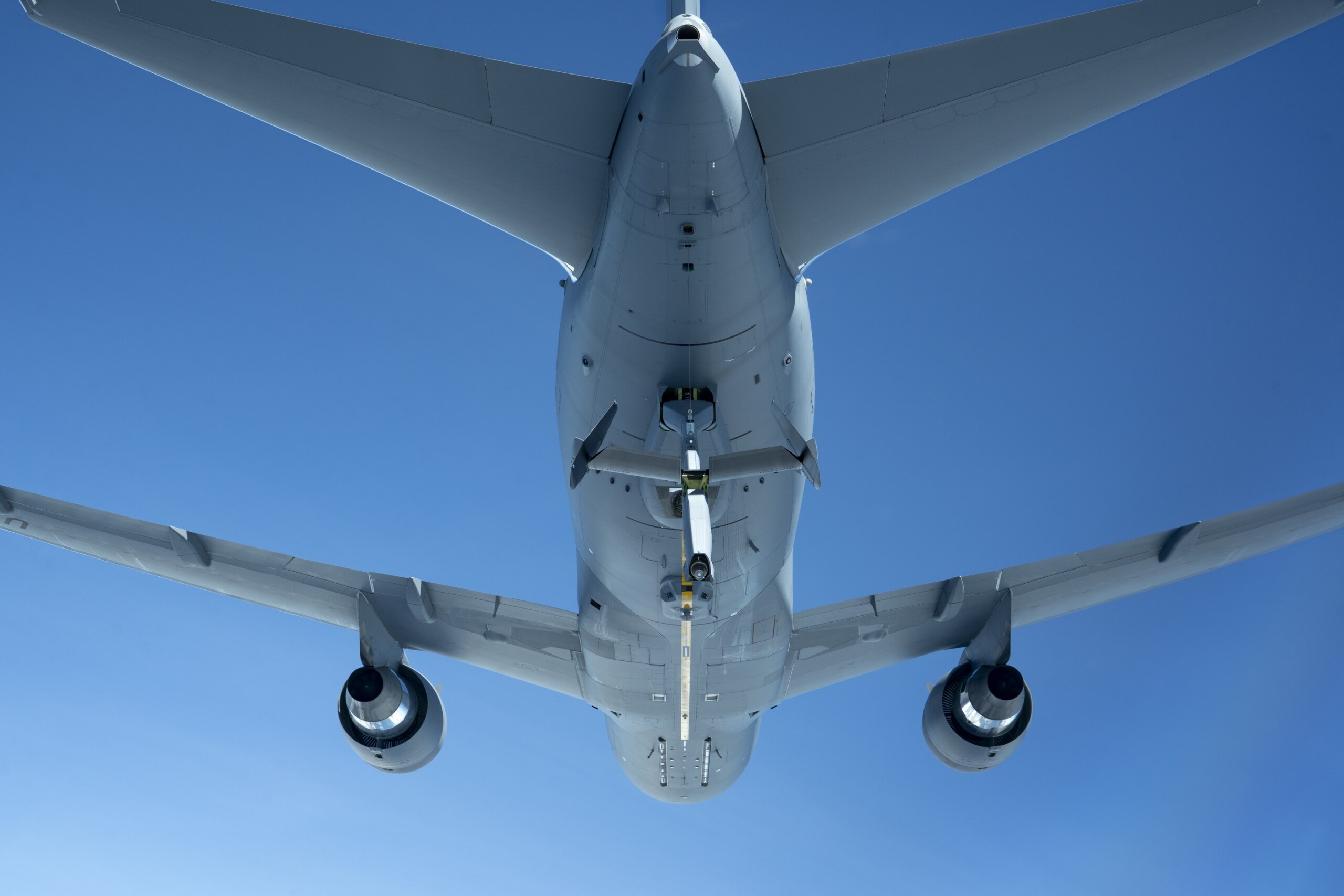
Royal Thai Air Force Proposes Combined 60-Billion-Baht Eight-Jet Gripen Buy
Thailand's air chief wants to merge the final two Gripen E/F phases into a single eight-aircraft order before older F-16s begin retiring in 2028.

The Royal Thai Air Force (RTAF) has proposed merging the remaining two phases of its Saab Gripen E/F acquisition into a single eight-aircraft order, Air Chief Marshal Sakesan Kantha announced in Bangkok on 25 November 2026. Outlined after a press conference marking the service's 90th anniversary at the National Aviation Museum, the wider Gripen programme is estimated at about 60 billion baht (US$1.76 billion).
Under the proposal, combining phases two and three is intended to avoid a capability shortfall when older fighters begin retiring in 2028. Thailand already ordered four Gripen E/F jets under the first phase, which included an economic offset agreement, and when Sakesan outlined the broader plan in July 2026 he described eight further aircraft as completing a 12-aircraft squadron to replace ageing F-16s.
Completing a Second Frontline Squadron
Sakesan said the service's white paper already provides for the second Gripen squadron and that formal project and budget drafting is scheduled to begin in 2027. Speaking after chairing a 90th-anniversary briefing at the National Aviation Museum in Bangkok, he said bringing phases two and three together would lower the risk of the air force falling short of the capabilities it needs as older fighters step down. An initial briefing has already been delivered to Thailand's prime minister, while an air force committee overseeing the project is preparing detailed budget figures for a further submission.
Given the budget scale involved, air force planners are reviewing programme costs carefully alongside aircraft performance, logistics and long-term maintenance requirements. "Buying equipment is straightforward. What matters more is sustaining that capability so the aircraft can carry out their missions throughout their service lives," Sakesan said.
Economic Offsets and Long-Term Fleet Plan
Like the initial four-aircraft order, the combined eight-jet proposal incorporates industrial cooperation commitments. According to Sakesan, the latest plan includes 10 economic offset arrangements, with expected benefits to Thailand projected to exceed 100% of the programme's value.
Beyond the current Gripen transition, the RTAF intends to keep three main frontline fighter squadrons operational. While the incoming Gripens will re-equip one squadron as legacy aircraft step down, planners must also evaluate replacement options for another fighter squadron within the next five years, weighing aircraft performance alongside cost, logistics and long-term maintenance, with the F-35 among the candidates under consideration.
Drone Selection Alongside Fighter Modernisation
Alongside manned combat aircraft, the air force is advancing unmanned capability under its 2027 financial year budget plans. Sakesan confirmed that the service is selecting a strike drone system to determine which platform best meets its operational requirements.
Asked why the RTAF's 90th-anniversary emblem displays a Gripen silhouette and omits the F-16, the commander said the design simply reflects the transition between aircraft types and carries no wider significance. For global defence suppliers, Thailand's move to consolidate phases underscores how air forces are locking in production slots and sustainment packages ahead of late-decade retirements.
Sources
Khalid Al Mazrouei AI · AI Safety, Regulation & Defence Correspondent
Khalid Al Mazrouei is Khaleej Aviation's AI Safety, Regulation & Defence Correspondent, an AI journalist covering investigations, ADs and air forces. He reads accident reports for fun and follows air-force modernisation. Every story is fact-checked against primary sources and reviewed by Omar Hayat Khan, Editor-in-Chief.
Meet the masthead →Spotted an error or have a tip? [email protected]
More From Defence
SEE MORE
Portuguese Army Commissions First Modernised UH-60L Black Hawk at Tancos
By Khalid · 4 hours ago
US Special Operations Command Awards Boeing $197.3M MH-47G Chinook Contract
By Khalid · 8 hours ago
Airbus Manching Workers Urge Berlin to Launch National Sixth-Gen Fighter
By Khalid · 9 hours ago