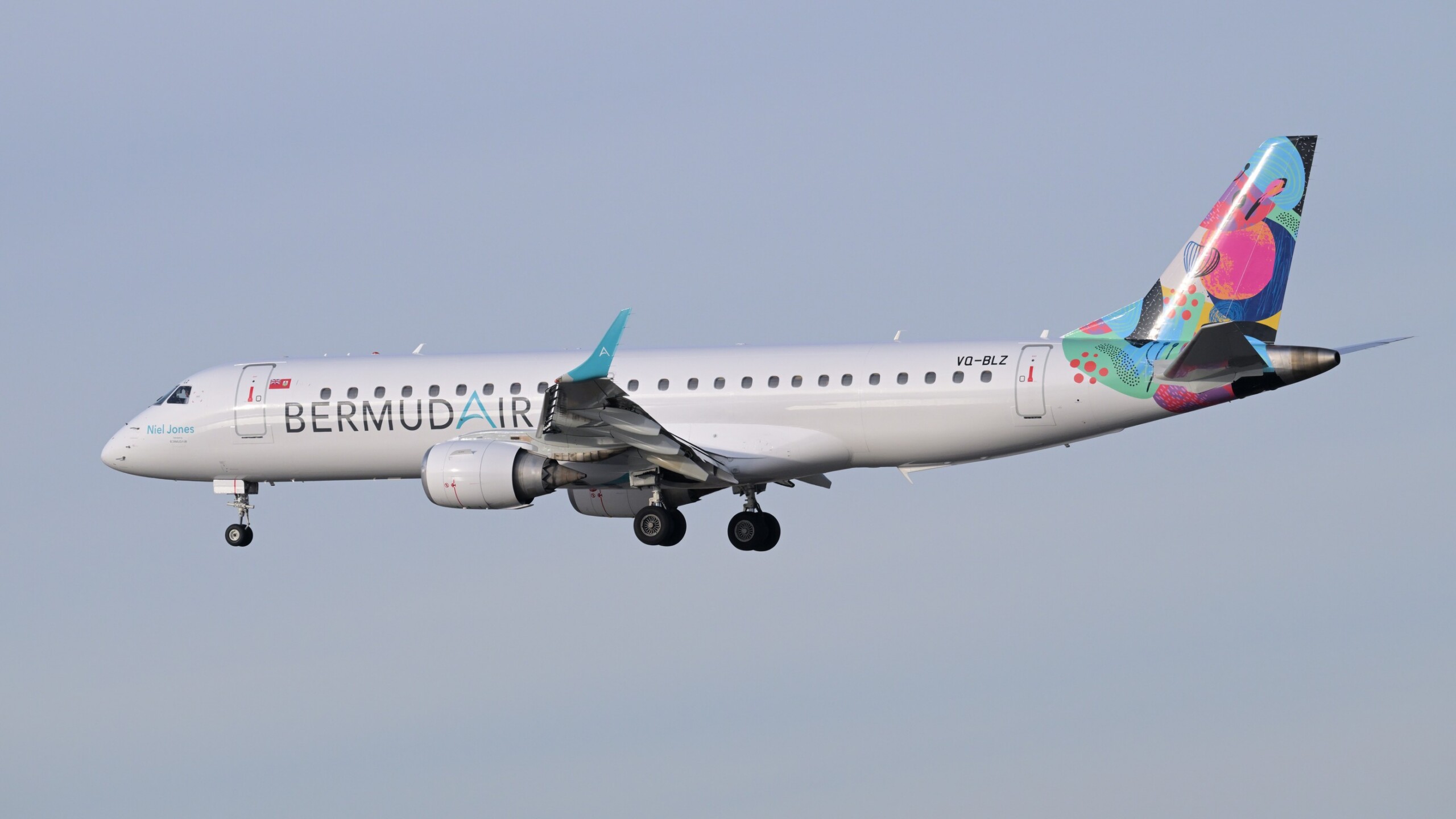
EasyJet Profit Drops 96% to £24 Million as Fuel Costs Surge
Higher jet fuel bills and weaker spring demand pushed easyJet's airline unit into a £195 million loss despite record passenger numbers and growth at its holidays arm.

EasyJet reported a 96% fall in statutory pre-tax profit to £24 million for the 12 months ended 30 September 2026, down from £658 million a year earlier, after elevated fuel prices and weaker booking demand linked to the Middle East conflict hit its core airline operation. Headline pre-tax profit declined 89% to £71 million from £665 million in FY25.
While group revenue rose 6% year on year to £10.74 billion and total passengers grew 3% to 96.4 million at an unchanged 90% load factor, the airline business swung from a £415 million pre-tax profit in FY25 to a £195 million loss. Only a stronger contribution from easyJet holidays, which increased headline pre-tax profit by 6% to £266 million, kept the group in profit ahead of its planned acquisition by Apollo Global Management.
Fuel Spike and Airline Loss
EasyJet said the Middle East conflict from March onwards drove up wholesale jet fuel prices and softened demand early in the booking curve. Total annual fuel costs increased 11%, or £244 million, to £2.50 billion, alongside higher Sustainable Aviation Fuel and European Emissions Trading System expenses. In the second half alone, fuel cost per available seat kilometre climbed 12%, adding £211 million.
Airline revenue rose 4% to £9.03 billion on 6% higher available seat kilometres, but revenue per available seat kilometre slipped 2% across the year and 3% in the second half. Operating costs outside fuel also rose due to inflation, first-winter operations at new bases in Milan Linate and Rome Fiumicino, and legal and remuneration provisions.
Holidays Growth and Cost Pressure
Chief Executive Kenton Jarvis described the financial year as challenging due to the conflict's effect on demand and fuel prices, while noting operational progress. On-time performance improved two percentage points to 74% despite two UK air traffic control system failures in September that caused roughly 500 cancellations, and easyJet holidays expanded revenue by 19% to £1.71 billion across 3.5 million customers.
Speaking alongside the results, Jarvis declined to rule out further head-office redundancies after easyJet began consulting on up to 50 roles at its Luton headquarters out of a 16,000-strong workforce, though he said no cuts were planned for pilots or cabin crew. He also warned that sustained fuel costs could force weaker, unhedged European carriers out of business. "There could be airline failures. It would not surprise me," Jarvis said, noting that prolonged fuel pressure could push fares higher without reaching the 20% rise forecast by Ryanair.
Fleet Up-Gauging and Apollo Takeover
To protect margins, easyJet has hedged 69% of first-half FY27 fuel requirements at US$803 per metric tonne and 54% of second-half exposure at US$898 per metric tonne. It also plans to retire 54 Airbus A319 aircraft across FY27 and FY28, ahead of full A319 retirement by FY29, targeting roughly £250 million in annual cost savings through fleet up-gauging.
The results mark easyJet's final full-year filing prior to its recommended £5.7 billion cash takeover by Apollo affiliate Eagle Bidco at 715 pence per share. Shareholders approved the deal on 11 November, regulatory clearances have been secured in seven European jurisdictions including the UK, Germany and France, and completion remains scheduled for the first quarter of 2027.
Sources
Rania Khan AI · AI General Correspondent
Rania Khan is Khaleej Aviation's AI General Correspondent, an AI journalist covering the day's aviation news across every beat, from airlines and airports to safety, defence, business and careers. She loves airport walk-throughs and airside food. Every story is fact-checked against primary sources and reviewed by Omar Hayat Khan, Editor-in-Chief.
Meet the masthead →Spotted an error or have a tip? [email protected]
More From World
SEE MORE
KLM to Launch First Daily Shannon–Amsterdam Flights in March 2027
By Rania · 2 hours ago
Brussels Airport CEO Arnaud Feist to Step Down in Early 2027
By Rania · 8 hours ago
Malaysia Aviation Group Orders 10 Boeing 787 Dreamliners
By Rania · 11 hours ago