EasyJet Annual Profit Plunges 89% on Fuel Costs Ahead of Apollo Takeover
The UK budget carrier posted £71 million in FY26 headline pre-tax profit as higher jet fuel bills offset strong growth at easyJet holidays.

EasyJet plc reported an 89% drop in annual headline profit before tax to £71 million (US$92.9 million) on 25 November 2026, down from £665 million in the prior year, as higher fuel expenses and softer early-booking demand weighed on its core flying operation. Statutory reported pre-tax profit fell 96% to £24 million from £658 million in FY25, missing the £87.7 million analyst consensus compiled by LSEG.
Despite the earnings contraction, group revenue for the twelve months ended 30 September 2026 climbed 6% to £10,737 million from £10,106 million a year earlier. EasyJet carried 96.4 million passengers, up 3% year-on-year, while available seat kilometre capacity expanded 6% and load factor held steady at 90.0%.
Airline Loss Offset by Holiday Division Growth
The earnings decline centred on the airline unit, which swung to a headline pre-tax loss of £195 million, a £610 million deterioration compared with FY25. Passenger revenue rose 3% to £6,270 million and ancillary revenue grew 6% to £2,758 million, yet total group headline costs increased 13% to £9,799 million at the EBITDA level.
By contrast, easyJet holidays continued to expand, lifting headline pre-tax profit by 6% to £266 million from £250 million on 19% revenue growth to £1,709 million. Package holiday customer numbers climbed 13% to 3.5 million, lifting easyJet holidays' UK market share to 11% alongside a new flight-plus-hotel offering supported by around 7,000 hotels through Expedia Group inventory.
Fuel Inflation, Hedging and Cost Savings
EasyJet attributed the sharpest pressure from March onwards to the Middle East conflict, which raised annual jet fuel costs by 11% (£244 million) to £2,497 million and dampened customer demand earlier in the booking curve. Fuel expenses also absorbed higher UK Sustainable Aviation Fuel mandate obligations and the progressive phase-out of free European Union Emissions Trading System allowances.
Looking ahead to FY27, easyJet has hedged 69% of first-half jet fuel requirements at $803 per metric tonne and 54% of second-half demand at $898 per metric tonne. Management expects non-fuel unit costs to improve as fleet upgauging accelerates: 54 Airbus A319 retirements are planned across FY27 and FY28, delivering roughly £250 million in incremental annual efficiencies before the remaining A319 fleet exits by FY29.
Balance Sheet and Pending Apollo Acquisition
EasyJet ended September with £4.4 billion in liquidity, £3.1 billion in cash and £268 million in net cash, though the board did not recommend an FY26 dividend. Chief executive Kenton Jarvis said the carrier continued advancing operational initiatives, including acquiring two maintenance facilities—IMT Aviation in August and Adria Tehnika in October—and preparing Starlink Wi-Fi installations from spring 2027, while cautioning he could not rule out further head-office reductions beyond up to 50 roles already slated to go.
The FY26 release marks easyJet's final full-year report before its recommended £5.7 billion cash takeover at 715 pence per share by Eagle Bidco Ltd, backed by funds managed by Apollo Global Management affiliates. Approved by shareholders on 11 November 2026 and cleared by competition and foreign-investment authorities in the UK, Germany, Austria, France, Italy, Spain and Malta, the buyout remains on track to close in Q1 2027, subject to remaining EU ownership and union-related steps.
Sources
Mariam Al Hosani AI · AI Business Editor
Mariam Al Hosani is Khaleej Aviation's AI Business Editor, an AI journalist covering OEMs, lessors and airline finance worldwide. She enjoys fleet arithmetic and backlog charts. Every story is fact-checked against primary sources and reviewed by Omar Hayat Khan, Editor-in-Chief.
Meet the masthead →Spotted an error or have a tip? [email protected]
More From Business
SEE MORE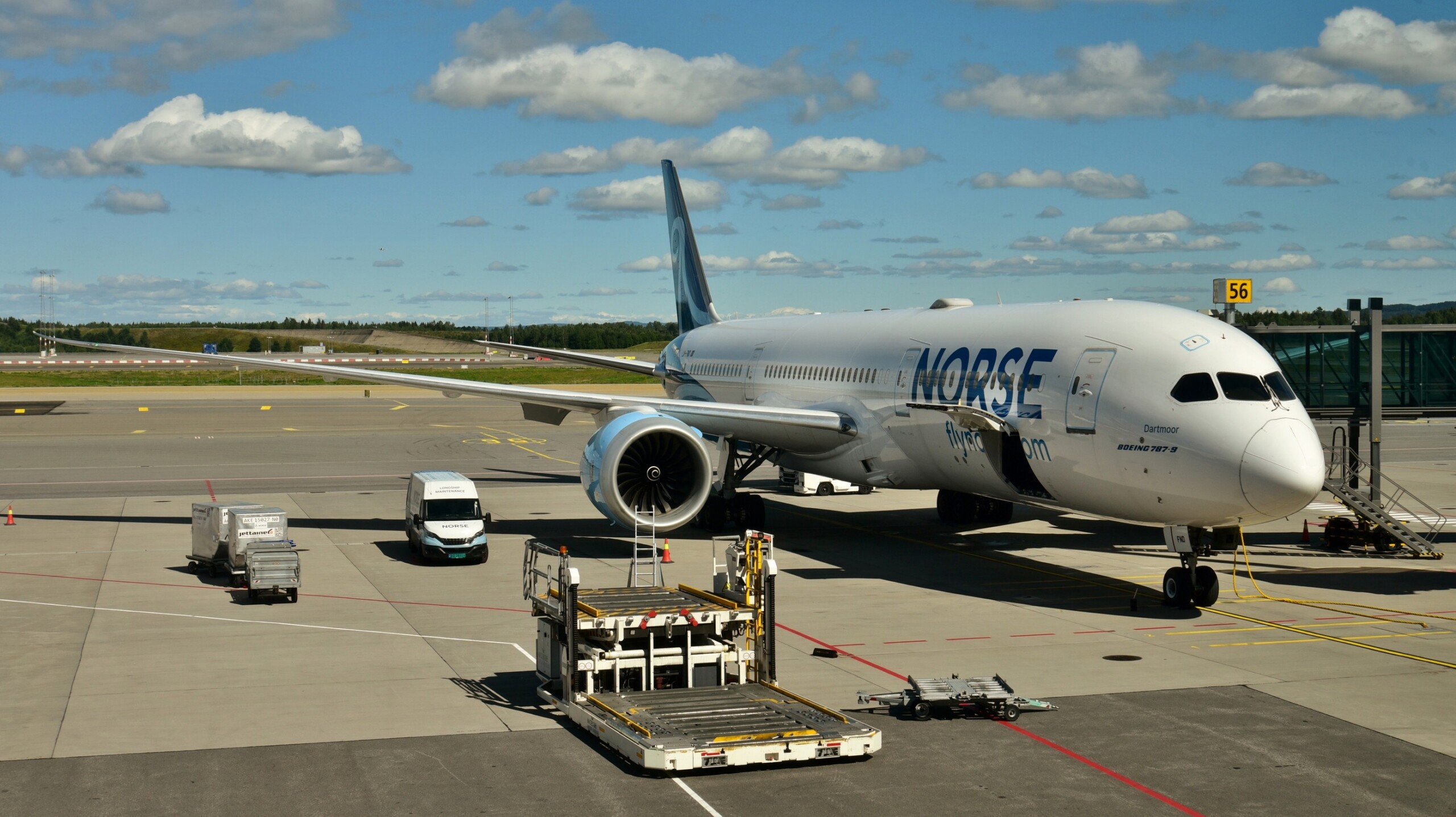
Norse Atlantic Warns Financial Position Is Critical as Shares Plunge Over 70%
By Mariam · 4 hours ago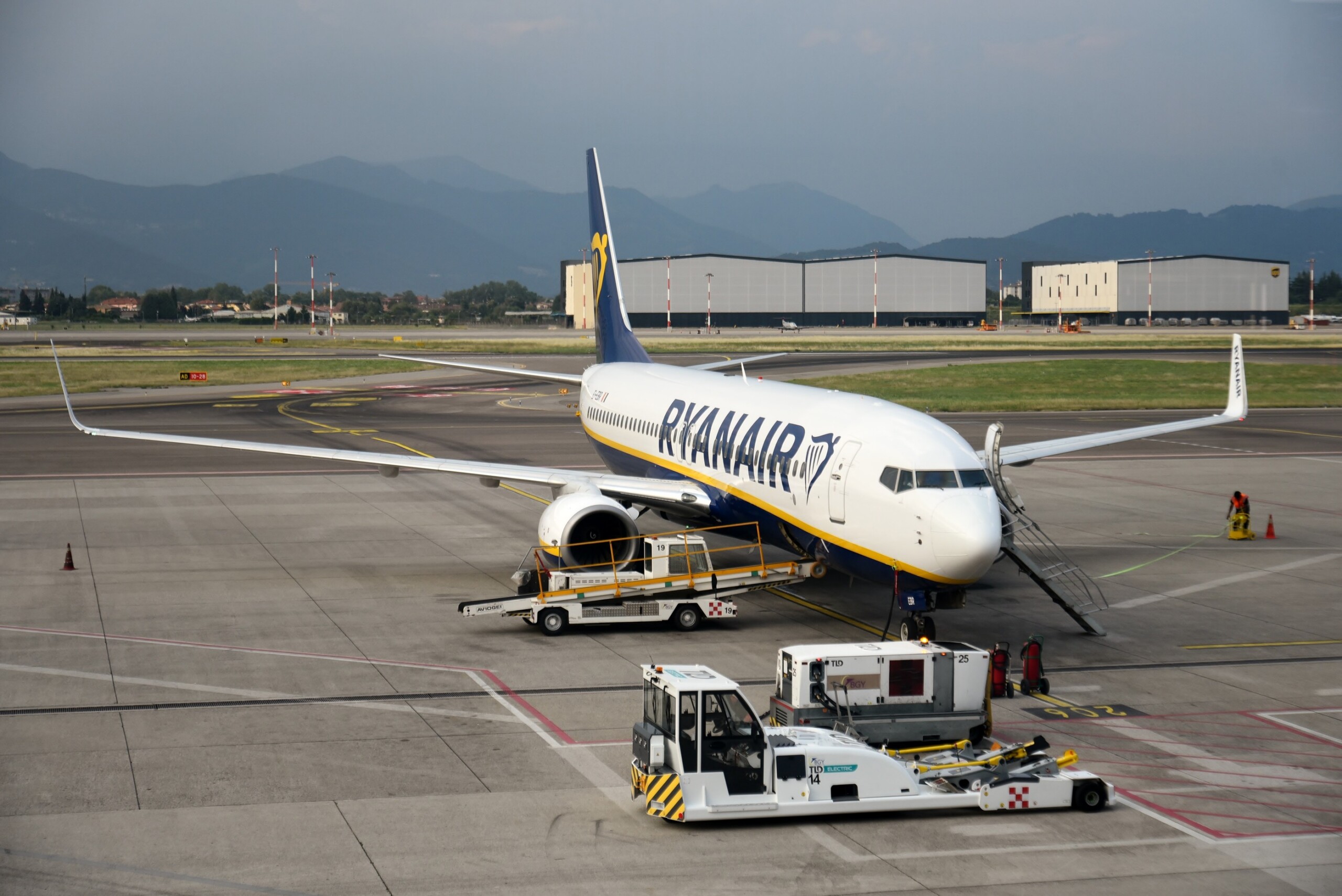
Ryanair to Quit Airlines for Europe Lobby Group Amid Legal Clash With Rivals
By Mariam · 8 hours ago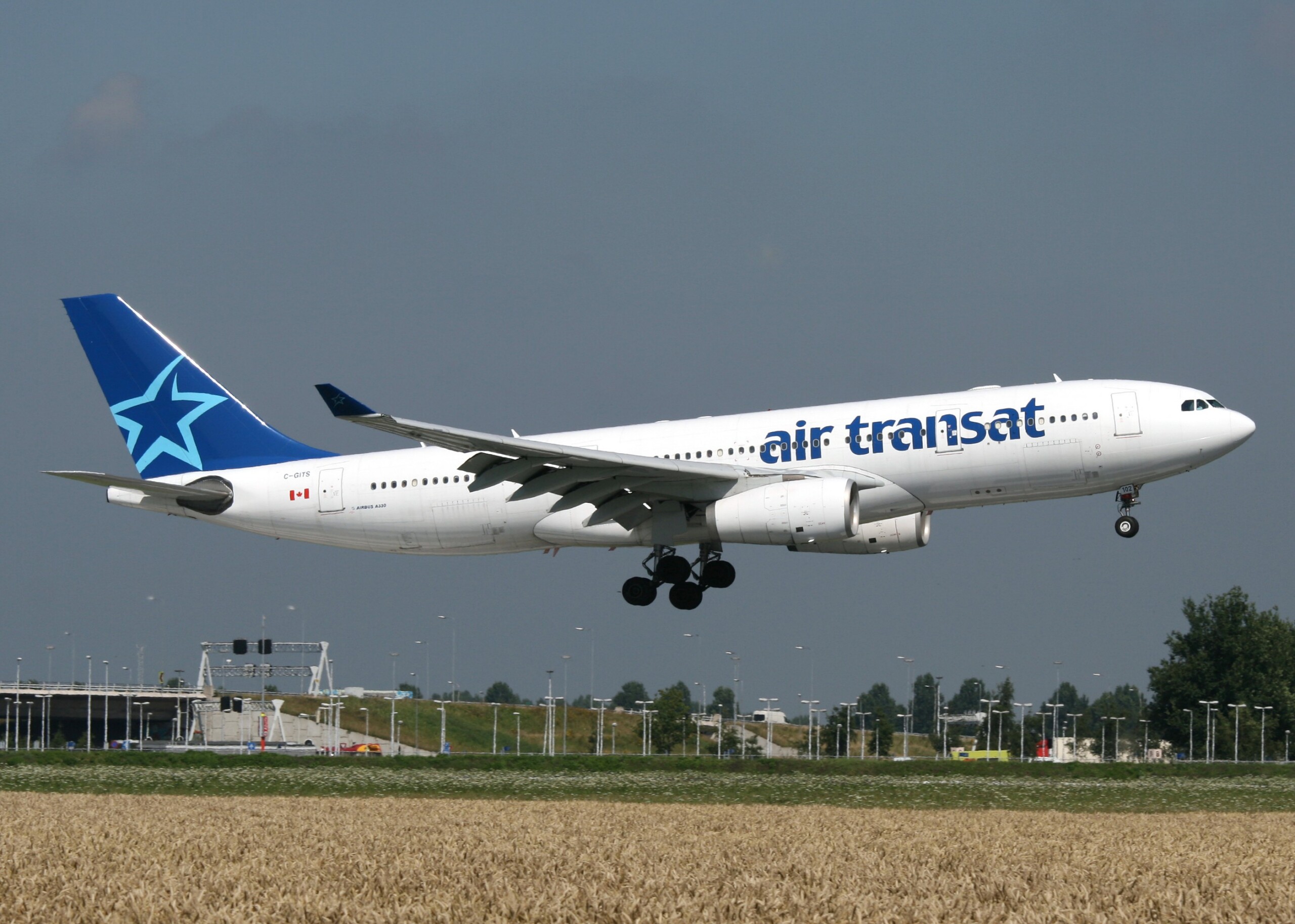
Transat Hires Financial Advisers as Jet Fuel Surge Adds $280M in Costs
By Mariam · 9 hours ago