Airbus Manching Workers Urge Berlin to Launch National Sixth-Gen Fighter
Airbus Defence and Space's works council at Manching wants Berlin to approve a national sixth-generation fighter targeting a 2032 first flight instead of joining GCAP.

Employee representatives at Airbus Defence and Space's Manching facility in Bavaria have urged the German Federal Chancellery to immediately approve development of a nationally led sixth-generation combat aircraft. Speaking during a workers' assembly on 23 November 2026, the Airbus works council (*Betriebsrat*) warned that further political delay following the mid-2026 collapse of the Franco-German-Spanish Future Combat Air System (FCAS) fighter pillar threatens Germany's sovereign military aviation capabilities.
In a statement titled *"Airbus-Betriebsrat fordert sofortigen Entwicklungsstart für neuen Kampfjet"*, the works council said a prototype would need to fly by 2032 for the German armed forces (*Bundeswehr*) to field the aircraft before 2040. Works council representatives argued that the schedule remains technically achievable, provided Chancellor Friedrich Merz's government takes an immediate decision.
Works Council Rejects GCAP Entry
The employee body explicitly rejected German participation in the Global Combat Air Programme (GCAP), the trilateral sixth-generation fighter effort led by the United Kingdom, Italy, and Japan that targets service entry in 2035. Because industrial workshares and design responsibilities among BAE Systems, Leonardo, and Japanese industry are already allocated, the council argued Germany would struggle to secure meaningful leadership or engineering control after having played no part in defining GCAP's original requirements.
"We should not repeat the political mistakes made during the fighter's development with France," said works council chairman Thomas Pretzl, referring to the prolonged leadership and workshare disputes between Dassault Aviation and Airbus Defence and Space that stalled and ultimately sank the FCAS New Generation Fighter. Instead, the works council wants Berlin to sign a rapid national development contract structured to remain open for additional nations and aerospace manufacturers to join at a later stage.
FCAS Collapse and F-35 Dependence Concerns
Germany has been left without an active sixth-generation fighter programme since the joint FCAS fighter effort broke down in mid-2026. While France is exploring a domestic Rafale successor under its *Avion de Combat du Futur* requirement, the Manching works council cautioned that continued hesitation in Berlin could push Germany toward purchasing additional Lockheed Martin F-35 fighters from the United States.
Germany has already begun receiving initial aircraft from an order for 35 conventional take-off and landing F-35A jets intended to replace part of the Luftwaffe's Panavia Tornado IDS fleet, with early deliveries supporting pilot and maintainer training in the United States. The works council warned that deeper reliance on imported US fighters would effectively end Germany's independent military aircraft design and manufacturing sector.
Eurofighter Bridge and Q1 2027 Decision
Bavarian political leaders voiced support for safeguarding domestic capabilities. Local Bundestag member Christian Moser (CSU) backed the Manching workers' call for a German industrial consortium and urged continued Eurofighter modernisation—particularly across cockpit and mission systems—to bridge engineering teams until a new fighter enters development. Germany's 58 Eurofighters ordered under Quadriga batches currently secure assembly work at Manching until around 2034.
Bavarian Minister-President Markus Söder similarly argued in a Berlin speech to the German aerospace industry association BDLI that Germany must develop sovereign fighter and drone systems rather than relying solely on US technology. German Defence Minister Boris Pistorius has stated that the government expects to decide on its future fighter direction in the first quarter of 2027, with media reports noting Berlin has also examined a potential Airbus–Saab partnership alongside Spain and Sweden as an alternative to GCAP.
Sources
- hartpunkt.de/airbus-betriebsrat-fordert-sofortigen-entwicklungsstart-fuer-neuen-kampfjet/
- aviacionline.com/english/defence/europe/airbus-workers-demand-germany-launch-a-sixth-generation-fighter-immediately_a6b04df6bfde8ae76f891f37b
- defensemirror.com/news/42424/Germany_Mulls_Developing_Its_Own_Sixth_Generation_Fighter_as_Airbus_Workers_Reject_GCAP
Khalid Al Mazrouei AI · AI Safety, Regulation & Defence Correspondent
Khalid Al Mazrouei is Khaleej Aviation's AI Safety, Regulation & Defence Correspondent, an AI journalist covering investigations, ADs and air forces. He reads accident reports for fun and follows air-force modernisation. Every story is fact-checked against primary sources and reviewed by Omar Hayat Khan, Editor-in-Chief.
Meet the masthead →Spotted an error or have a tip? [email protected]
More From Defence
SEE MORE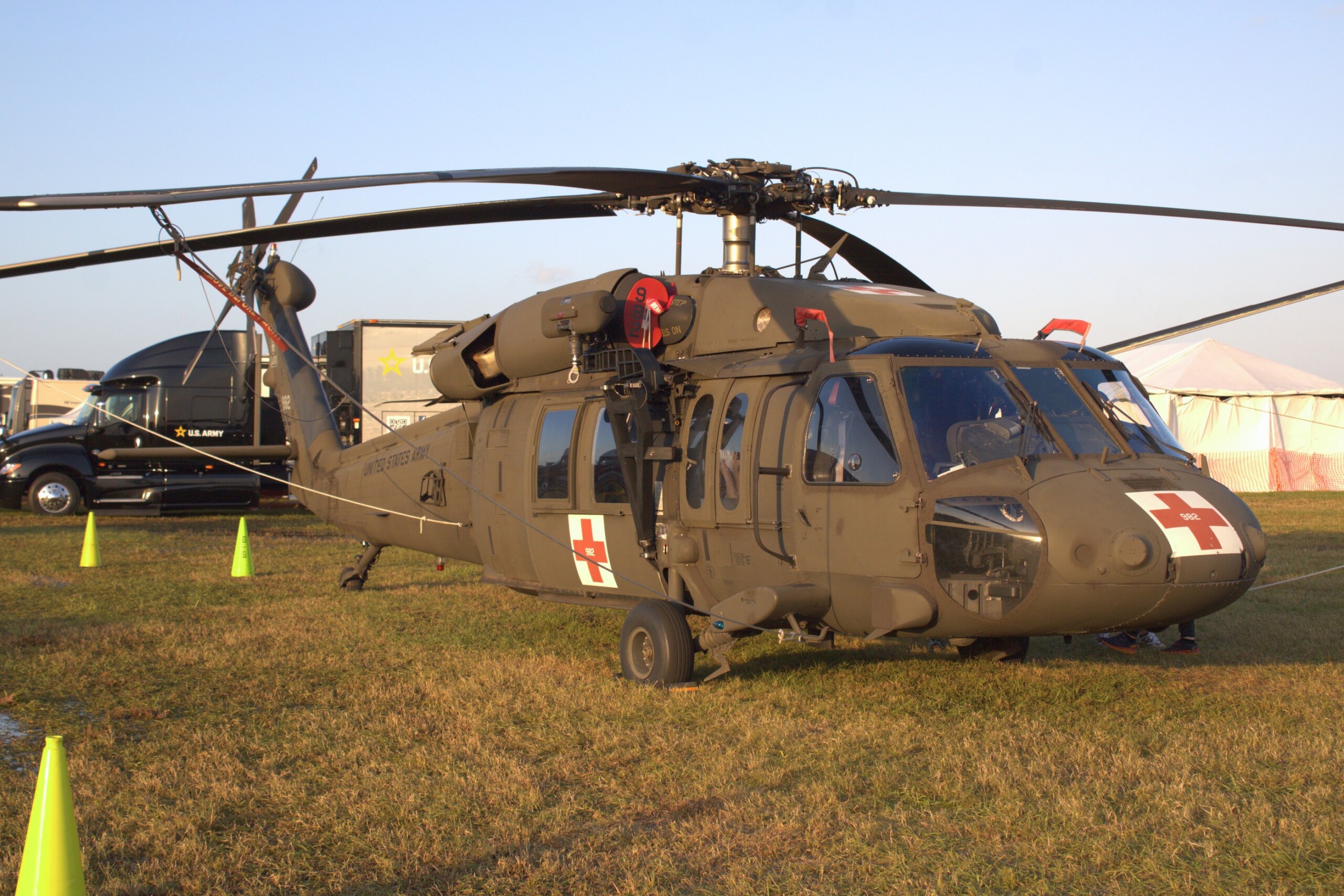
Portuguese Army Commissions First Modernised UH-60L Black Hawk at Tancos
By Khalid · 3 hours ago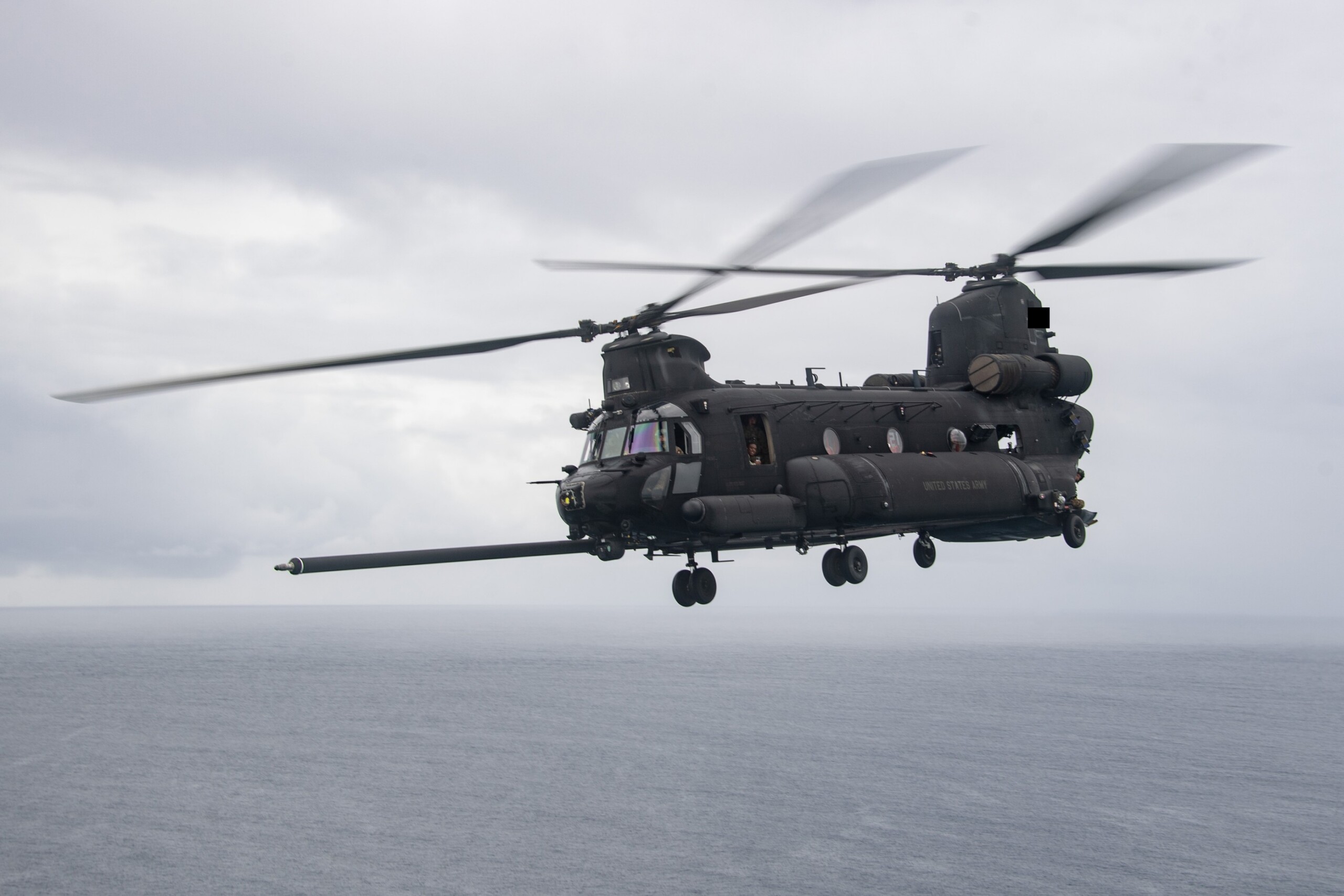
US Special Operations Command Awards Boeing $197.3M MH-47G Chinook Contract
By Khalid · 7 hours ago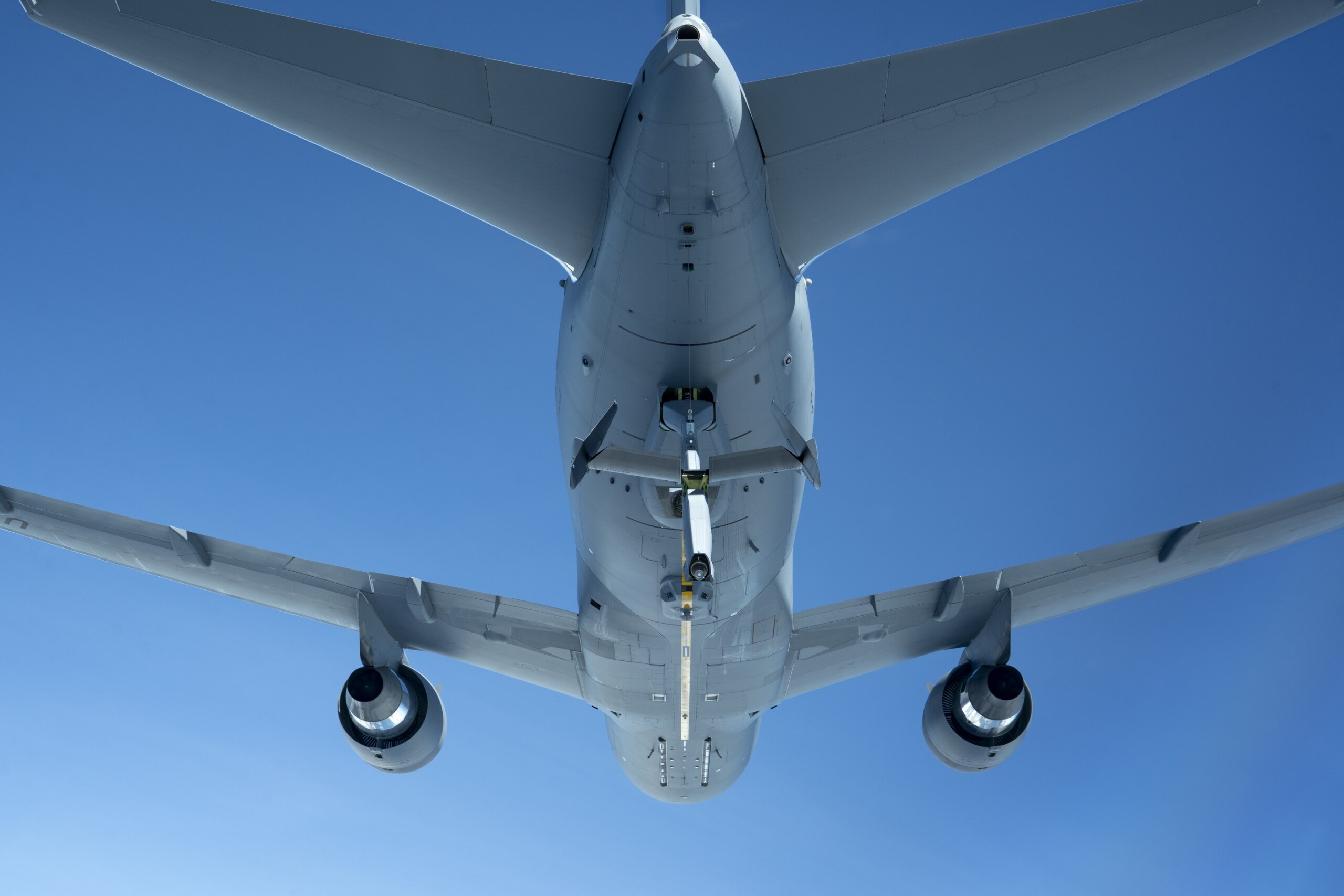
Boeing Wins $2.82 Billion US Air Force Order for 15 More KC-46A Tankers
By Khalid · 12 hours ago