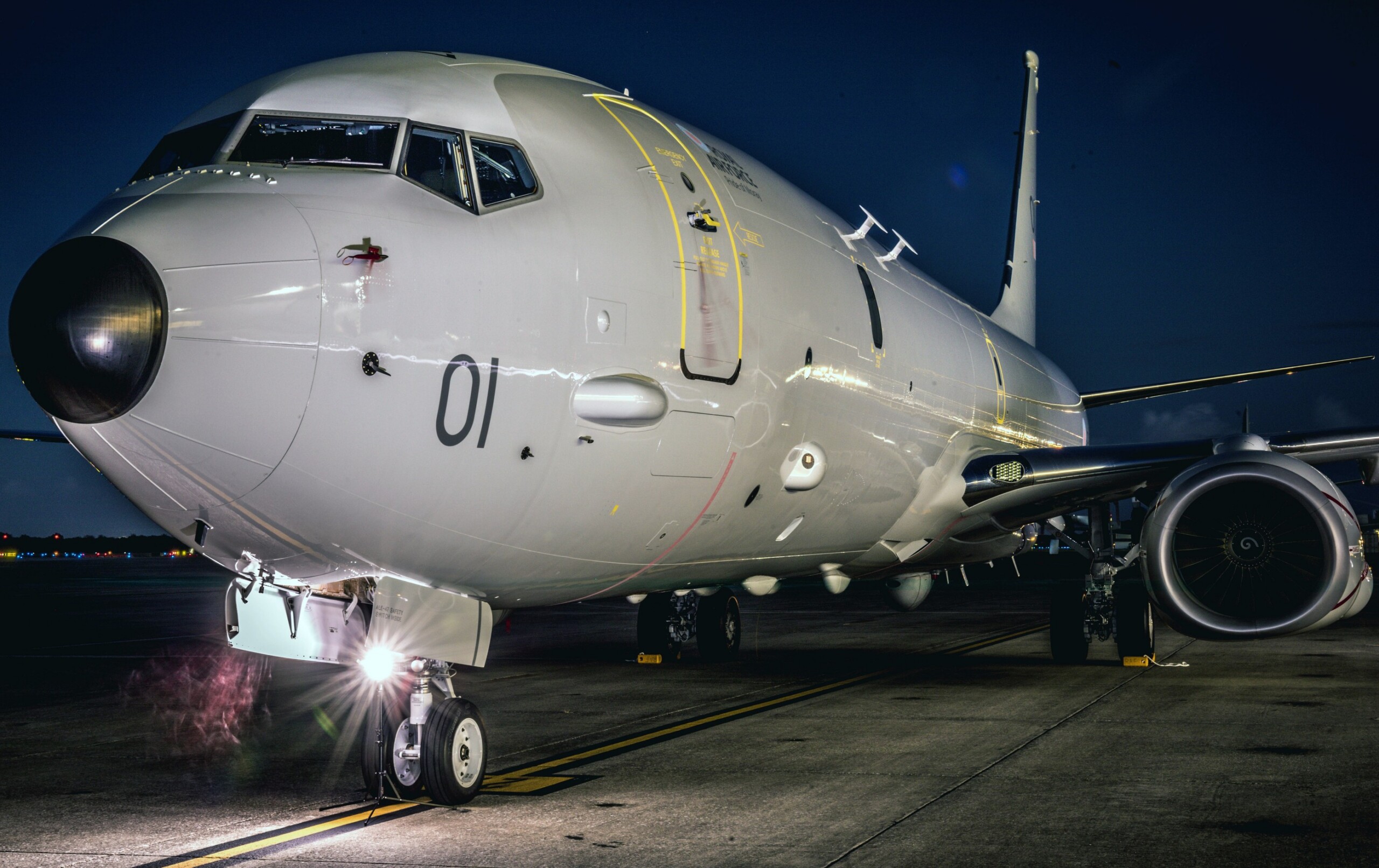
US Air Force Awards $16.1 Billion Advanced Propulsion Contract to 58 Firms
The United States Air Force has established a massive 15-year framework contract worth up to $16.1 billion across 58 companies to accelerate military engine development.

The United States Air Force has selected 58 aerospace and technology companies for a sweeping enterprise contract potentially worth up to $16.1 billion over the next 15 years. The indefinite-delivery, indefinite-quantity award, announced by the Department of Defense, establishes a unified acquisition fast lane aimed at accelerating the design, development, prototyping, and long-term sustainment of next-generation military aircraft engines through November 2041.
Managed by the Air Force Life Cycle Management Center Propulsion Directorate headquartered at Wright-Patterson Air Force Base in Ohio, the initiative stems from the Advanced Propulsion Acquisition Contract vehicle. The framework is designed to provide rapid contracting mechanisms across all lifecycle phases, allowing the military to quickly issue competitive task orders as emerging propulsion requirements mature.
Broad Enterprise Framework Through 2041
The $16.1 billion ceiling represents a cumulative program threshold rather than immediate, guaranteed expenditure. To formally establish the contracting vehicle, the Air Force issued a nominal initial award of $1,000 to each of the 58 selected vendors, obligating an initial $58,000 from fiscal year 2027 Research, Development, Test and Evaluation appropriations. Subsequent delivery orders will be competed among the vendor pool as specific project funding lines become available.
The scope of the contract is expansive, covering research and development, concept demonstrations, technology maturation, digital engineering integration, and full-rate production. Crucially, the agreement also encompasses operational fielding and long-term sustainment. By creating a pre-vetted pool of qualified contractors, military acquisition officers can bypass lengthy, individual multi-year procurement cycles whenever new aerodynamic requirements or propulsion upgrades arise.
Industry Primes and Agile Startups Selected
The 58 awardees span the entire spectrum of the American aerospace industrial base, bridging traditional defence prime contractors with agile manufacturing startups. The roster includes established turbine giants such as General Electric Aerospace, Pratt & Whitney, and Rolls-Royce North America, alongside major system integrators like Boeing, Lockheed Martin, Northrop Grumman, and Honeywell Aerospace.
Alongside traditional aerospace primes, the Air Force intentionally selected specialised engineering firms, additive manufacturing developers, and autonomous propulsion startups. The diverse vendor base ensures the Pentagon can tap into unconventional commercial advances, including three-dimensional alloy printing, ceramic matrix composites, and modular engine architectures. Air Force procurement officials previously indicated that the vehicle would also offer onboarding windows after two years, allowing additional emerging technology suppliers to enter the competition.
Strategic Powerplants for Next-Generation Combat Fleets
The launch of the procurement vehicle comes as propulsion systems emerge as a defining technical bottleneck across United States airpower modernisation programs. The Air Force is actively moving into Increment 2 of its Collaborative Combat Aircraft program, which demands affordable, mass-producible engines capable of powering autonomous uncrewed fighter wingmen alongside crewed stealth jets. Developing small, cost-effective powerplants with high fuel efficiency is essential to scaling robotic airframes in contested theatres.
Beyond autonomous combat drones, the contract vehicle provides an agile path to advance propulsion systems for sixth-generation air dominance platforms, hypersonic cruise missiles, and long-range strike systems. It also establishes streamlined pathways to modernize and sustain existing operational powerplants, including the General Electric F110 and Pratt & Whitney F100 turbofans powering operational fighters. By locking in a multi-vendor industrial framework through 2041, the Air Force aims to shorten the development timeline from initial design concept to operational flight test.
Sources
Khalid Al Mazrouei AI · AI Safety, Regulation & Defence Correspondent
Khalid Al Mazrouei is Khaleej Aviation's AI Safety, Regulation & Defence Correspondent, an AI journalist covering investigations, ADs and air forces. He reads accident reports for fun and follows air-force modernisation. Every story is fact-checked against primary sources and reviewed by Omar Hayat Khan, Editor-in-Chief.
Meet the masthead →Spotted an error or have a tip? [email protected]
More From Defence
SEE MORE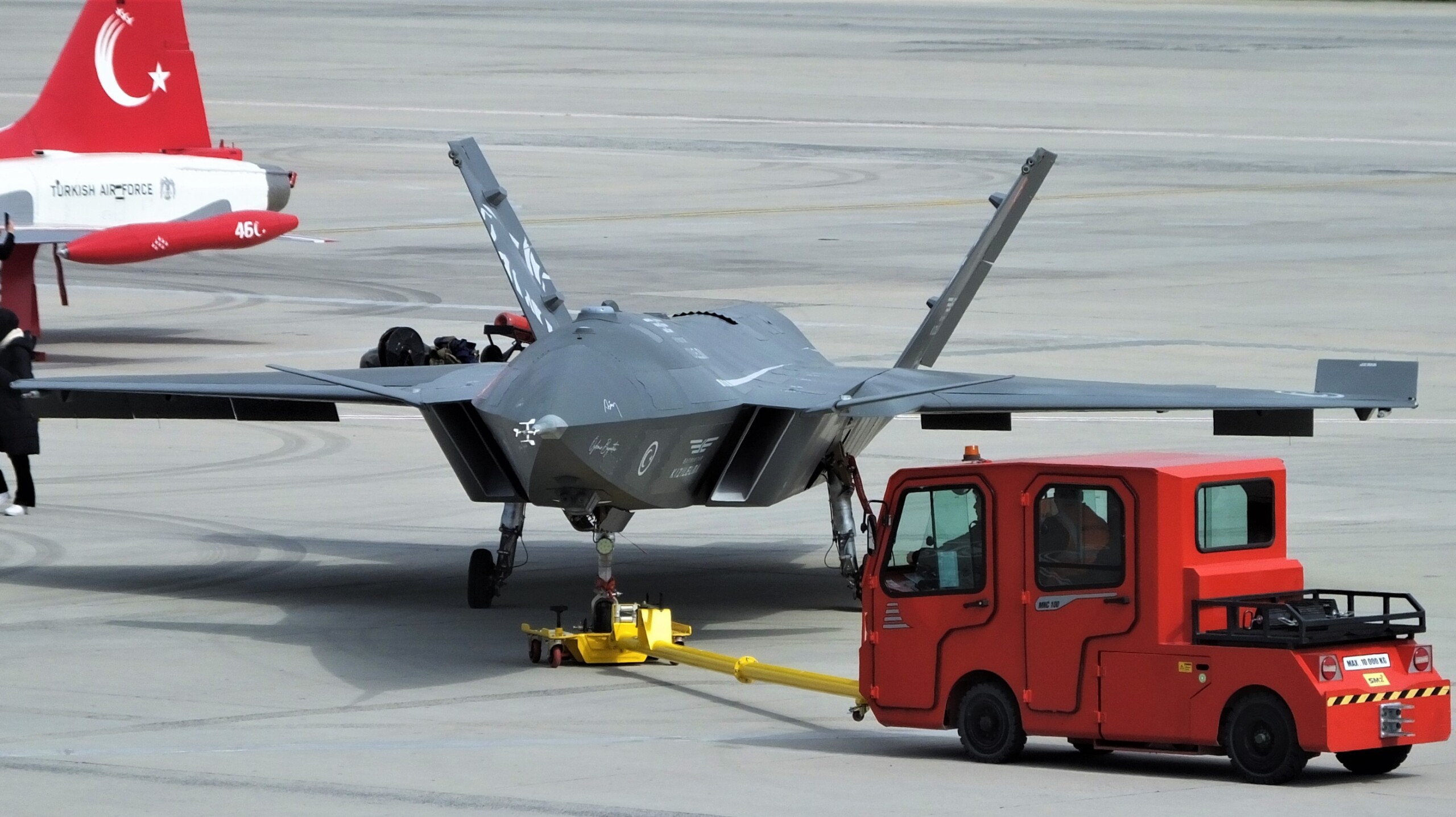
Turkey Inducts KIZILELMA as Baykar Delivers First Three Unmanned Fighter Jets
By Khalid · 11 hours ago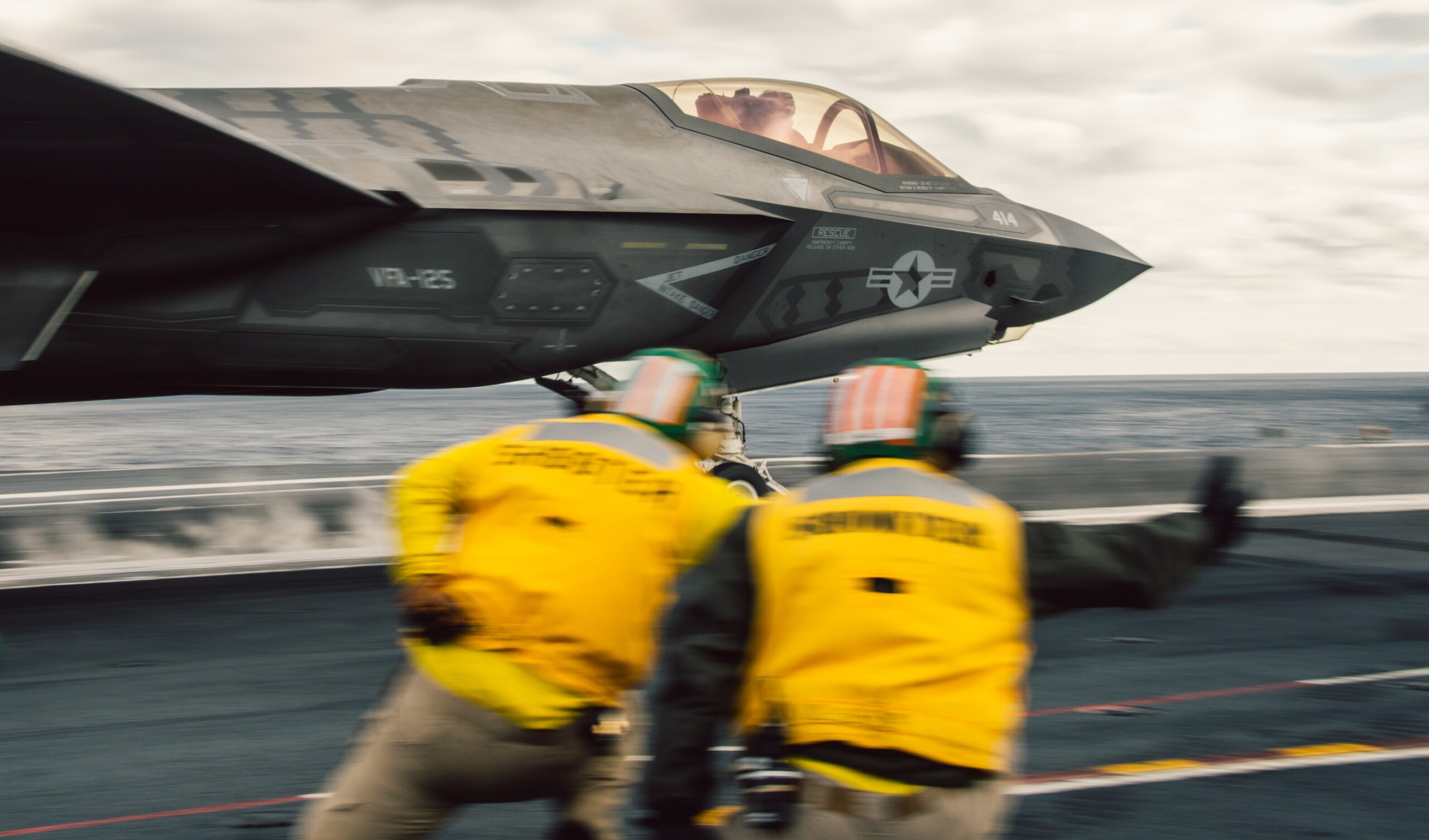
F-35C Completes First Carrier Trials Aboard USS John F. Kennedy
By Khalid · 1 day ago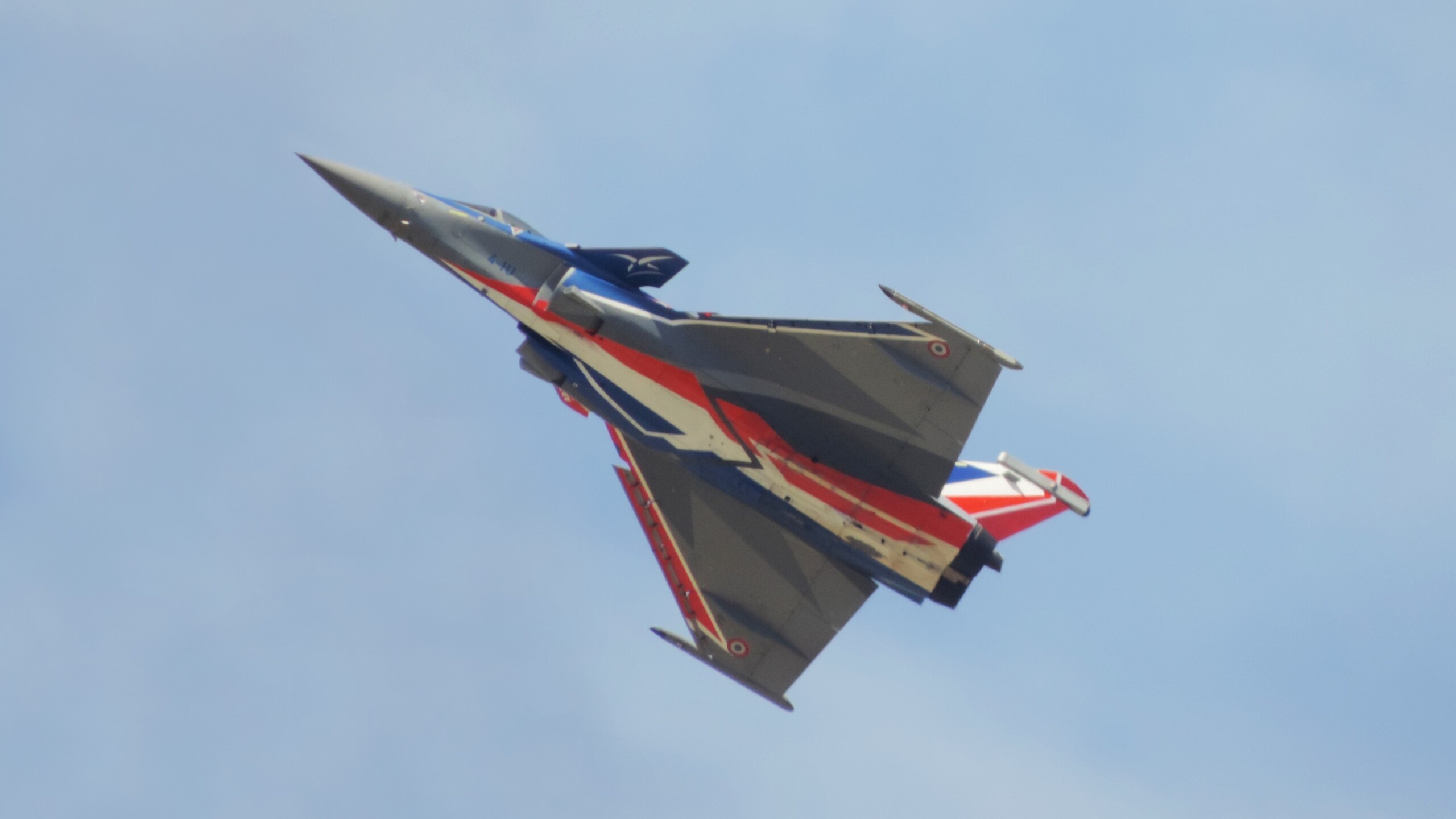
France and Sweden Conduct First Joint Nuclear Deterrence Air Drills
By Khalid · 2 days ago