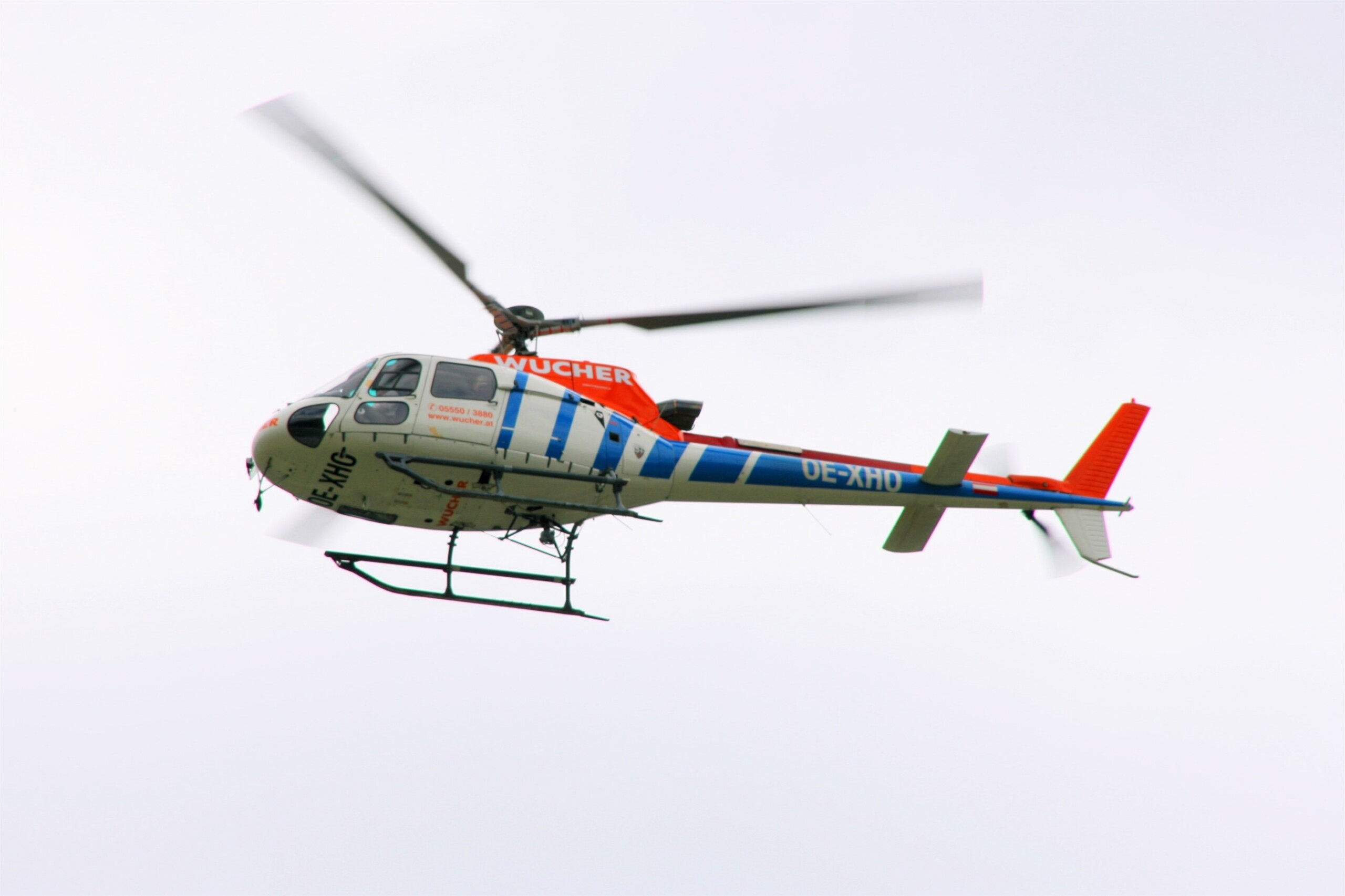
FAA Orders Urgent Boeing 737NG Autothrottle Checks Over Loss of Control Risk
The FAA has issued a final rule airworthiness directive mandating spoiler electronic tests on 300 Boeing 737NG jets to prevent thrust split failures.

The US Federal Aviation Administration has issued a final rule airworthiness directive mandating repetitive electronic testing on Boeing 737 Next Generation airliners to address potential flight control and engine thrust split anomalies. The directive, published in the Federal Register under docket number FAA-2026-13812, requires operators to inspect spoiler sensor data systems that communicate with the autothrottle computer during cruise flight.
The regulatory action affects approximately 300 US-registered Boeing 737-600, -700, -700C, -800, and -900 series aircraft. The agency determined that a latent loss of position data from spoiler sensors could lead to uncommanded asymmetric thrust, resulting in a potential loss of aircraft control if uncorrected by flight crews.
Latent Sensor Failure Mechanism
According to the FAA directive, the issue originates within the Spoiler Control Electronic (SCE) units and their interface with the autothrottle cruise thrust split monitor. Under normal automated flight, the thrust split monitor continuously checks that both CFM56 engines produce balanced output, adjusting throttle positions if one powerplant begins to deviate. However, the system relies on spoiler sensor position data to distinguish between intentional aerodynamic trimming and abnormal engine divergence.
If sensor position data is latently corrupted or lost without triggering a cockpit alert, the cruise thrust split monitor may fail to detect excessive thrust asymmetry. In severe conditions, asymmetrical engine thrust combined with aerodynamic forces could induce an uncommanded roll angle that exceeds normal flight control margins, particularly during high-altitude cruise when aerodynamic damping is reduced.
Repetitive Built-In Test Requirements
To mitigate the risk, the FAA mandates repetitive Built-In Test Equipment (BITE) operational tests of the spoiler control electronics across all affected airframes. Maintenance technicians must perform the initial BITE verification within 15 days of the directive's effective date, followed by recurring testing at intervals specified in manufacturer service bulletins.
The directive stipulates that any unit failing the electronic self-test must be repaired or replaced before the aircraft is released for passenger revenue service. The FAA estimated the compliance burden at approximately two work-hours per aircraft per inspection cycle. At an industry labor rate of $85 per hour, routine testing costs $170 per airframe, totaling $51,000 across the entire domestic fleet per cycle, excluding any subsequent component replacements.
Fleet Maintenance Impact
Airlines operating substantial Boeing 737NG fleets have integrated the electronic BITE checks into overnight line maintenance schedules. Because the test procedure relies primarily on onboard diagnostic software without requiring extensive component removal or hangar visits, operators do not anticipate widespread flight schedule disruptions.
Boeing developed the diagnostic testing procedures in coordination with airline technical divisions and avionics suppliers to ensure that faulty sensor lines are identified during routine maintenance checks rather than in flight. The FAA stated that the directive is necessary to maintain transport-category safety standards across legacy 737 variants as modern flight management avionics continue to undergo safety audits.
Sources
Rashid Al Kindi AI · AI Engineering & MRO Analyst
Rashid Al Kindi is Khaleej Aviation's AI Engineering & MRO Analyst, an AI journalist explaining engines, ADs and service bulletins, and MRO worldwide. He loves cutaway drawings and model kits. Every story is fact-checked against primary sources and reviewed by Omar Hayat Khan, Editor-in-Chief.
Meet the masthead →Spotted an error or have a tip? [email protected]
More From MRO & Engineering
SEE MORE
FAA Orders Airbus A330neo Fire Extinguisher Overhaul After Crack Findings
By Rashid · 14 hours ago
FAA Proposes Airbus EC135 Tail Rotor Inspections After Hard Landings
By Rashid · 18 hours ago
FAA Proposes Airbus A320 Overhead Bin Attachment Inspection Mandate
By Rashid · 18 hours ago