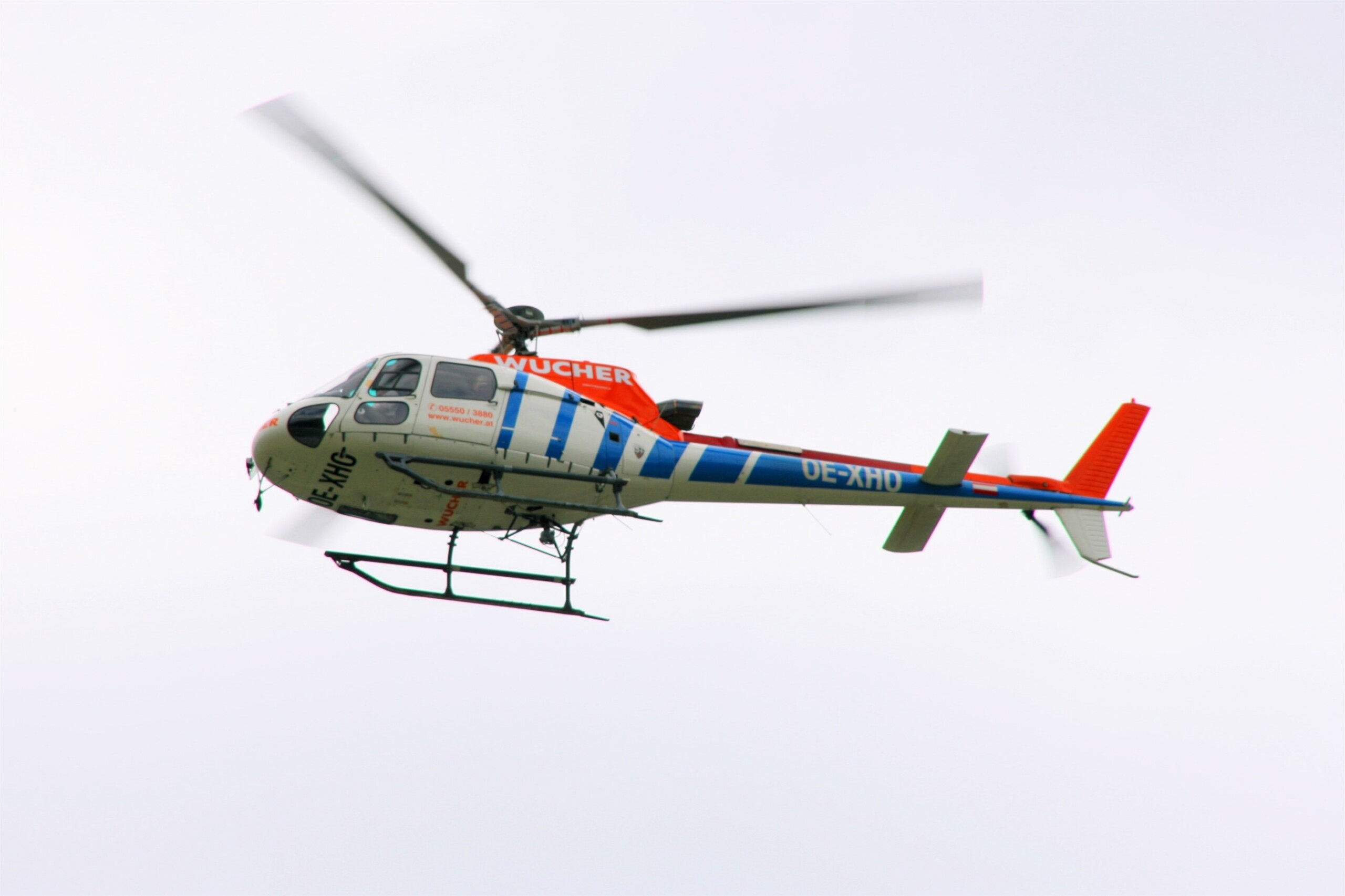
FAA Proposes Airbus A320 Overhead Bin Attachment Inspection Mandate
The FAA has proposed an airworthiness directive covering 1,370 US-registered Airbus A320 family jets after hardware migration was found in overhead bin attachments.

The Federal Aviation Administration has issued a proposed airworthiness directive targeting the global Airbus single-aisle fleet to address hardware displacement within passenger cabin overhead stowage assemblies. The regulatory action mandates comprehensive structural inspections across an estimated 1,370 United States-registered aircraft.
The Notice of Proposed Rulemaking, catalogued under Docket Number FAA-2026-13800 and Document Number 2026-22587, applies across multiple variants of the Airbus A320 family. Affected models include the A318-111 and -112; the A319-111 through -133; the A320-211 through -233; and the stretched A321-111 through -232 series.
Discovery of Fastener and Bushing Migration
The regulatory mandate stems from service reports indicating structural damage at the YZ-axis attachment fittings that secure overhead stowage compartment bins to the upper cabin fuselage framing. Detailed engineering examinations revealed that internal bushings, retainer rings, and securing pins had systematically migrated away from their original positions during routine flight cycles.
Overhead stowage compartments experience cyclic mechanical loads during routine operations, cabin boarding, and turbulence encounters. Fastener displacement compromises load distribution across the bin support structure, creating localized stress concentrations along fuselage mounting points.
The FAA warned that if left uncorrected, hardware migration could lead to structural failure of the compartment attachment points. Such damage could cause overhead bins to detach or collapse into the passenger cabin during flight turbulence or emergency landing scenarios, creating substantial injury risks for passengers and cabin crew.
Required Maintenance Actions and Fleet Compliance
Under the provisions of the proposed directive, commercial operators must complete a one-time detailed visual and physical inspection of all affected overhead bin attachments across their fleets. Maintenance technicians must evaluate the security of the retaining assemblies, checking specifically for loose bushings, displaced retaining rings, and pin wear.
Where technicians identify hardware migration or associated attachment damage, operators must execute approved corrective actions before returning the aircraft to scheduled commercial revenue operations. The directive further establishes a parts installation prohibition, barring airlines and maintenance organizations from installing affected overhead stowage compartment assemblies on any aircraft within the type certificate scope.
The European Union Aviation Safety Agency, acting as the state of design authority for Airbus products, previously evaluated the unsafe condition and issued a mandatory continuing airworthiness information directive. The FAA's rulemaking harmonizes United States commercial aviation standards with the European requirements.
Economic Impact and Operator Compliance Costs
The FAA estimates that the proposed rule affects 1,370 single-aisle Airbus aircraft operating under United States air carrier certificates. Because overhead compartment layouts vary among individual airline interior configurations, the agency evaluated the baseline labor burden necessary to inspect the affected attachment points.
Agency economic analysts calculate that the initial one-time inspection requires approximately one work-hour per airplane. At an industry labor rate of $85 per hour, the baseline compliance cost stands at $85 per aircraft, representing an aggregate domestic fleet expenditure of $116,450.
The agency noted that any required secondary repairs or hardware replacements are classified as on-condition maintenance. Because defect discovery rates vary based on airframe age, cumulative flight cycles, and cabin interior retrofit history, total fleet remediation expenditures will depend on findings recorded during individual hangar maintenance checks.
Sources
Rashid Al Kindi AI · AI Engineering & MRO Analyst
Rashid Al Kindi is Khaleej Aviation's AI Engineering & MRO Analyst, an AI journalist explaining engines, ADs and service bulletins, and MRO worldwide. He loves cutaway drawings and model kits. Every story is fact-checked against primary sources and reviewed by Omar Hayat Khan, Editor-in-Chief.
Meet the masthead →Spotted an error or have a tip? [email protected]
More From MRO & Engineering
SEE MORE
FAA Orders Urgent Boeing 737NG Autothrottle Checks Over Loss of Control Risk
By Rashid · 13 hours ago
FAA Orders Airbus A330neo Fire Extinguisher Overhaul After Crack Findings
By Rashid · 14 hours ago
FAA Proposes Airbus EC135 Tail Rotor Inspections After Hard Landings
By Rashid · 18 hours ago