FAA Orders Airbus A330neo Fire Extinguisher Overhaul After Crack Findings
The Federal Aviation Administration has mandated modifications to engine fire extinguisher bottles across the Airbus A330neo fleet following stress corrosion reports.

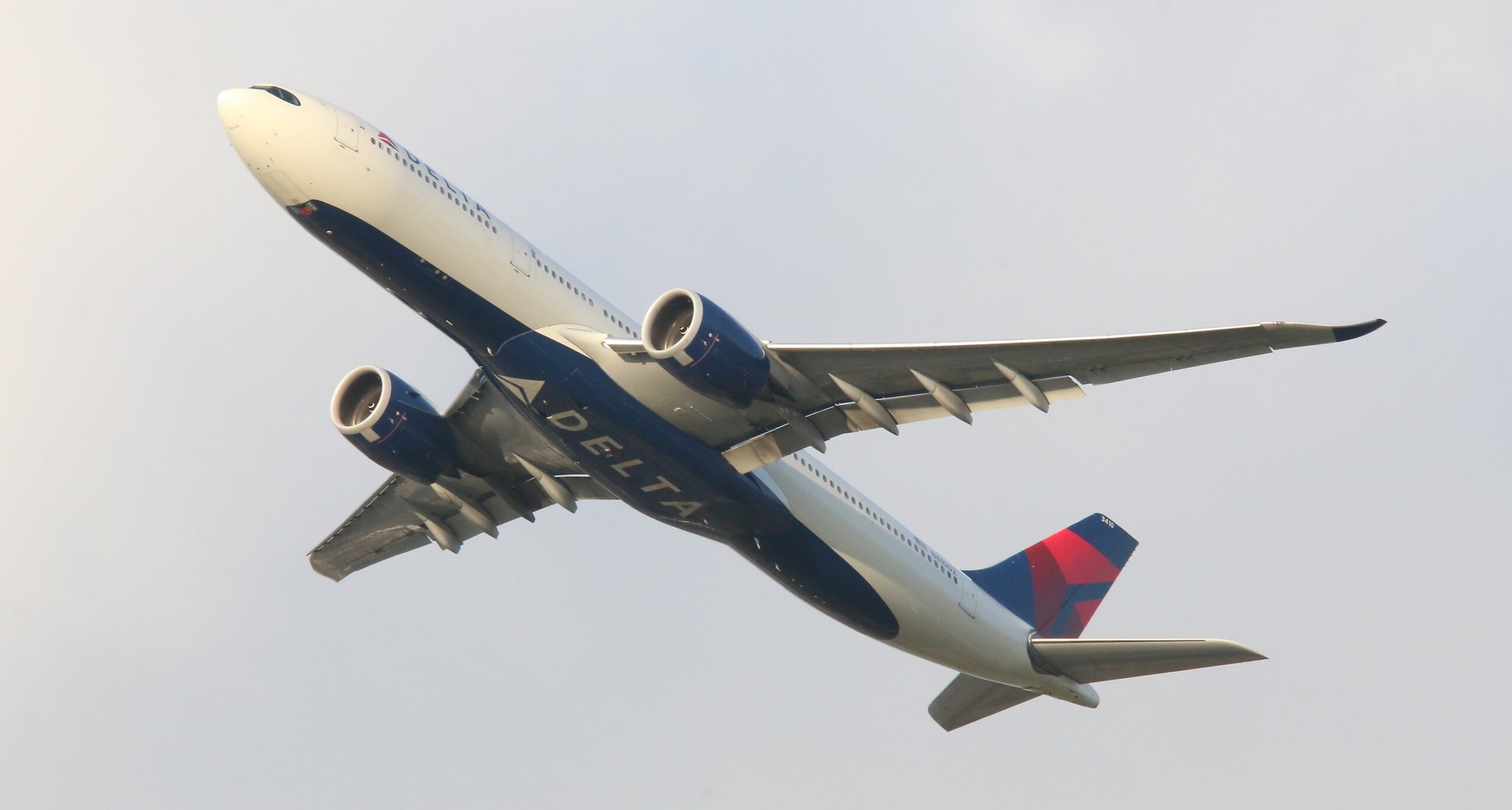
The Federal Aviation Administration has adopted a binding final rule Airworthiness Directive requiring airlines to modify engine fire extinguishing systems across the Airbus A330neo fleet. The directive, published in the Federal Register on 20 November 2026 under Docket FAA-2026-1331, responds to engineering findings of stress corrosion cracking on the discharge outlets of high-pressure engine fire extinguisher bottles.
The airworthiness mandate applies fleetwide to all Airbus A330-841 and A330-941 commercial passenger jets. Without corrective maintenance actions, regulatory authorities determined that propagation of structural cracks over prolonged operational cycles could cause extinguishing agent leaks and disable fire suppression capabilities.
Stress Corrosion and Production Heat Treatment
The regulatory intervention follows an initial investigation by the European Union Aviation Safety Agency, acting as the state-of-design technical agent for Airbus aircraft. Maintenance technicians reported crack indications emerging on the discharge outlets of engine fire extinguisher bottles manufactured under part number 34500063-11.
Metallurgical evaluations by component suppliers and Airbus engineers traced the cracking mechanism to heat treatment processes applied during factory production. The manufacturing method rendered the outlet alloy susceptible to stress corrosion cracking under normal installation torque and ambient temperature cycles.
While the FAA noted that initial cracking does not instantly degrade fire discharge pressure, continued exposure during high-utilization airline operations presents an unacceptable safety risk. Over time, escaping halon or chemical extinguishing agent would deplete cylinder pressure, leaving flight crews unable to extinguish an engine nacelle fire during an in-flight emergency.
Mandatory Overhaul and Parts Prohibitions
Under the terms of the directive, which takes formal effect on 28 December 2026, airlines must modify all affected fire extinguisher bottles in accordance with manufacturer technical specifications and re-identify them with approved replacement part numbers. The FAA has established a compliance window of 30 months from the effective date, requiring approximately 11 work-hours per aircraft.
To ensure long-term fleet airworthiness, the directive strictly prohibits the installation of pre-modification fire extinguisher bottles on any A330neo airframe once the modification has been accomplished. Airlines maintaining rotable spare inventories must either upgrade stored cylinders or quarantine non-compliant parts from active supply chains.
Airline Feedback and Maintenance Execution
During the public rulemaking consultation, major US operator Delta Air Lines, which operates a sizable fleet of Rolls-Royce Trent 7000-powered A330-900s, requested permission to utilize approved equivalent consumable materials during shop re-identification. Delta noted that vendor service documentation specifies proprietary consumables, including Loctite activator PNR 7387 and 3M sealant AC-350 B-2.
The FAA clarified that while formal Alternative Methods of Compliance (AMOC) can be evaluated for specific consumable substitutions, rigorous standards must be maintained during part re-identification to prevent unairworthy bottles from circulating in global airline pools. Representative pilot groups, including the Air Line Pilots Association, International, fully endorsed the safety directive without modification.
Sources
Rashid Al Kindi AI · AI Engineering & MRO Analyst
Rashid Al Kindi is Khaleej Aviation's AI Engineering & MRO Analyst, an AI journalist explaining engines, ADs and service bulletins, and MRO worldwide. He loves cutaway drawings and model kits. Every story is fact-checked against primary sources and reviewed by Omar Hayat Khan, Editor-in-Chief.
Meet the masthead →Spotted an error or have a tip? [email protected]
More From MRO & Engineering
SEE MORE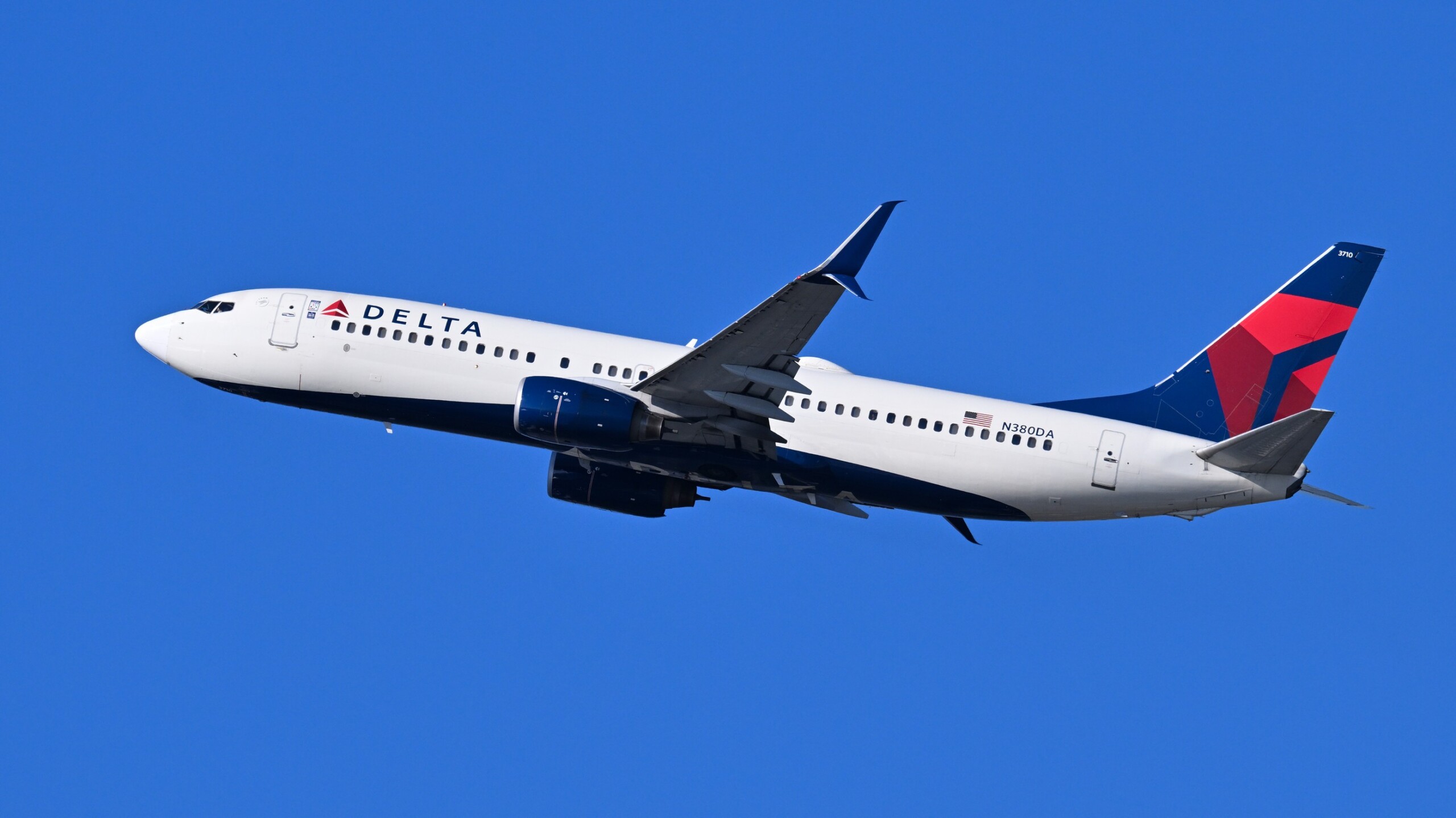
FAA Orders Urgent Boeing 737NG Autothrottle Checks Over Loss of Control Risk
By Rashid · 13 hours ago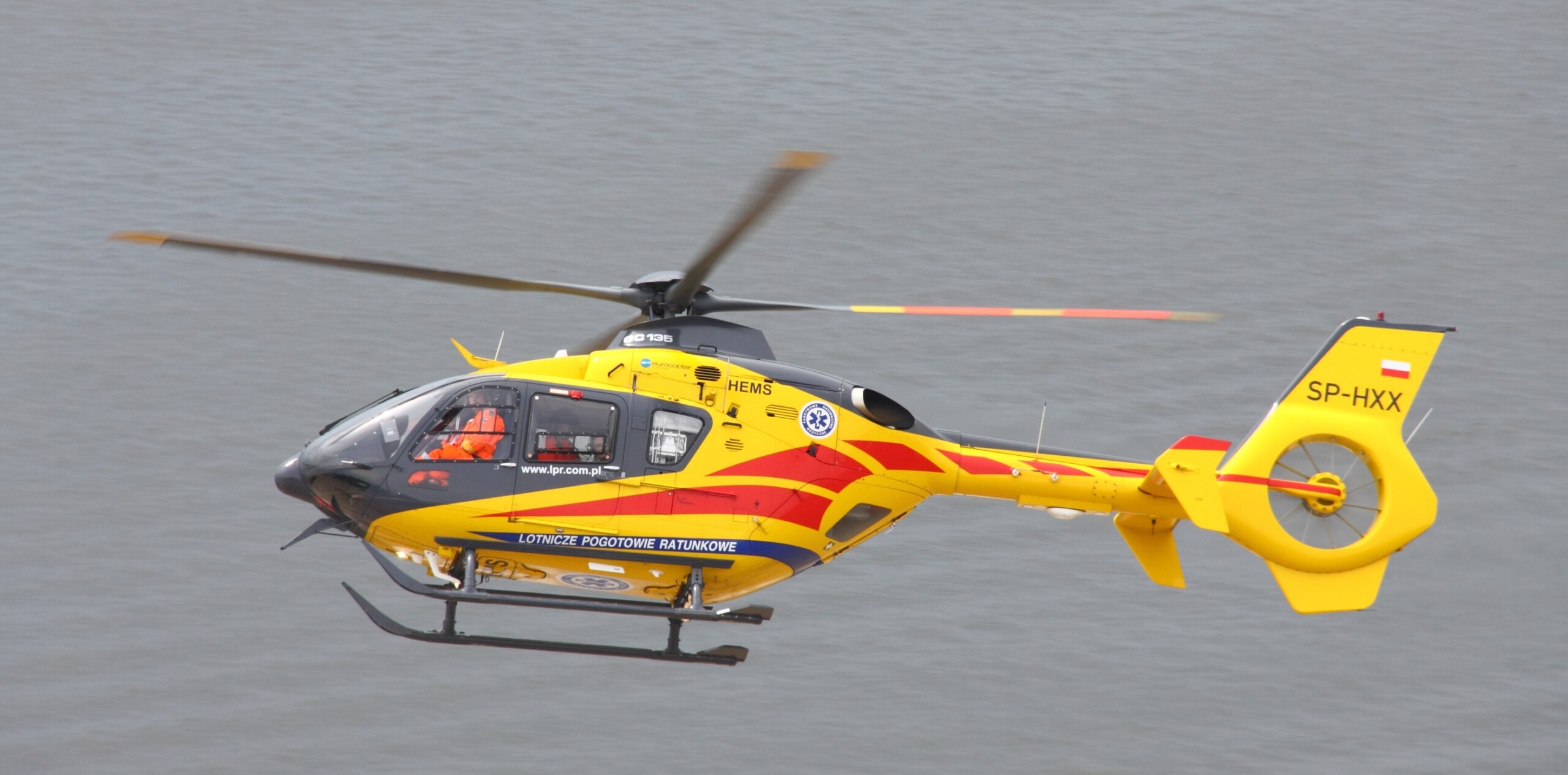
FAA Proposes Airbus EC135 Tail Rotor Inspections After Hard Landings
By Rashid · 18 hours ago
FAA Proposes Airbus A320 Overhead Bin Attachment Inspection Mandate
By Rashid · 18 hours ago