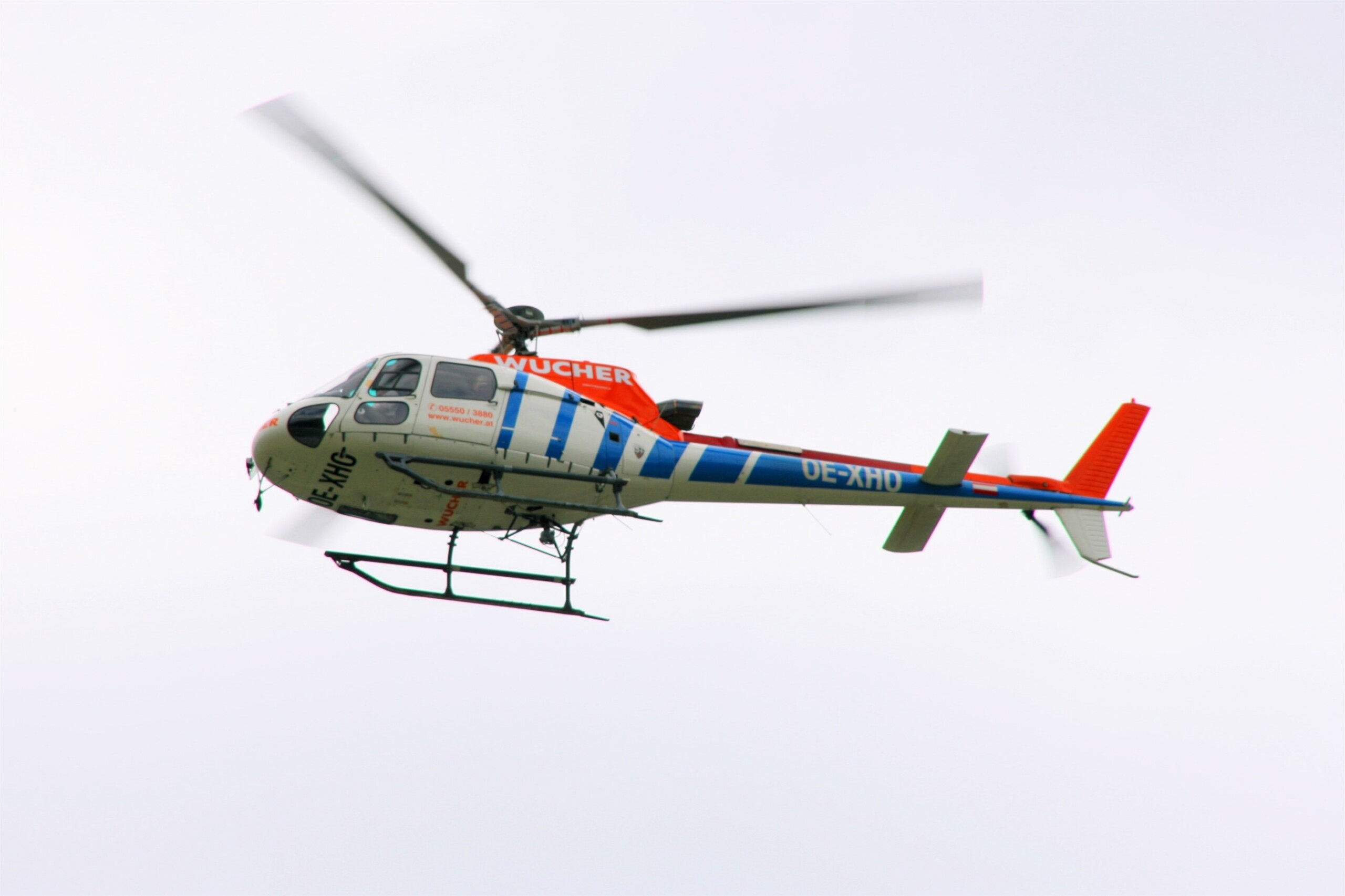
FAA Proposes Airbus EC135 Tail Rotor Inspections After Hard Landings
The Federal Aviation Administration has issued a proposed directive mandating tail rotor control inspections and maintenance manual updates for 289 Airbus EC135 and EC635 helicopters.

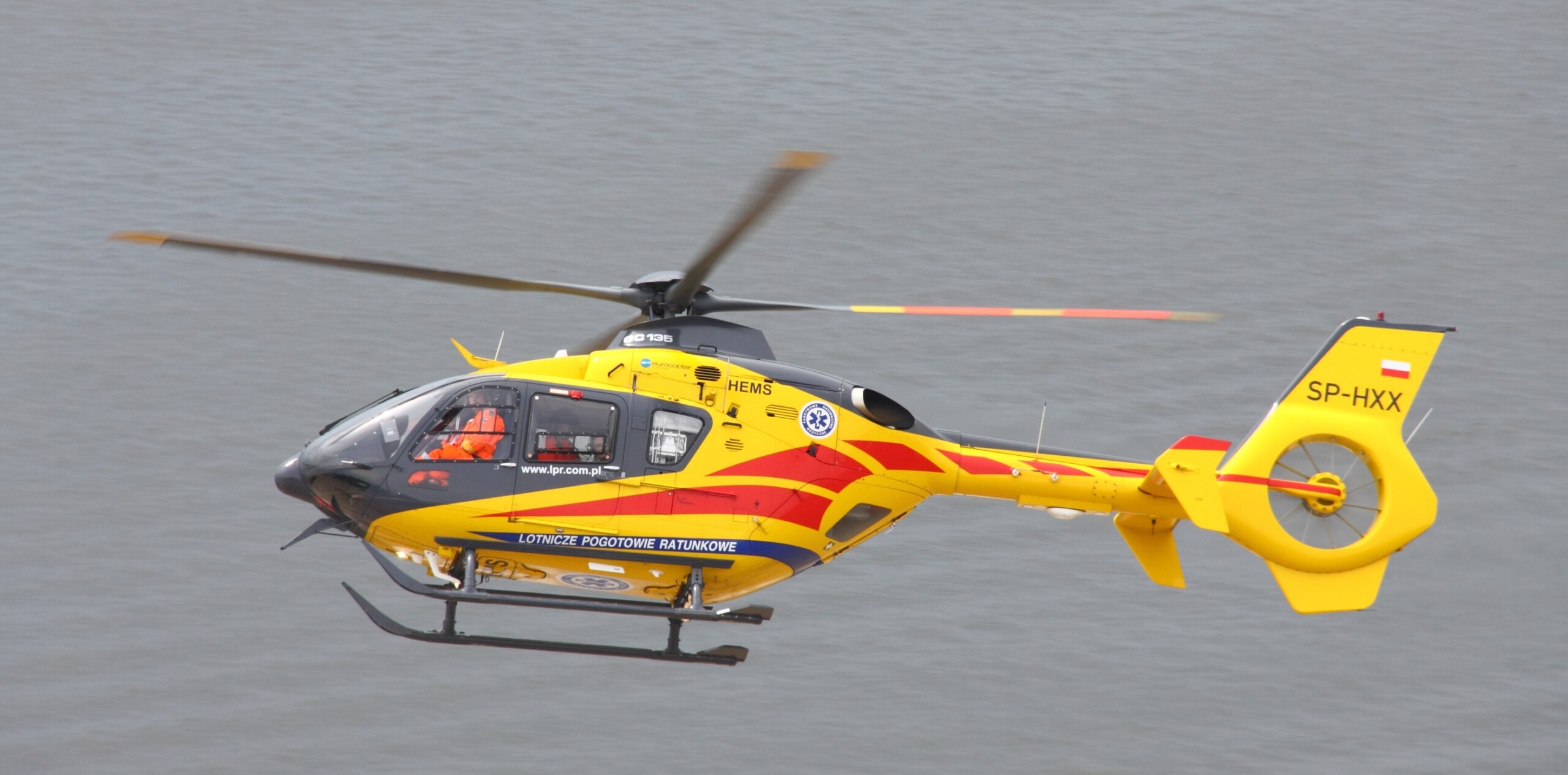
The United States Federal Aviation Administration has issued a notice of proposed rulemaking mandating focused structural inspections and maintenance manual updates across the domestic Airbus EC135 and EC635 helicopter fleet. Published in the Federal Register under Docket FAA-2026-13819, the regulatory action targets potential unrevealed mechanical damage within the tail rotor control mechanism following heavy touchdowns.
The proposed airworthiness directive requires helicopter operators to conduct a one-time physical inspection of the tail rotor control circuit and formally incorporate updated post-incident procedures into their continuous airworthiness maintenance programmes.
Unaddressed Hard-Landing Vulnerabilities
The FAA's safety intervention responds to technical notifications from the European Union Aviation Safety Agency, acting as the state of design authority for Airbus Helicopters Deutschland. EASA previously identified in emergency airworthiness material that existing manufacturer master service manuals and maintenance documentation lacked sufficient instructions for evaluating structural components after a hard landing.
Investigators established that heavy or abnormal touchdown impacts can transmit acute loads through the Fenestron shrouded tail rotor installation and control linkages. Without explicit post-landing inspection criteria, maintenance technicians could miss micro-fractures, play in control bearings, or pushrod deformation. Over time, undetected tail rotor control damage could cause component failure in flight, compromising yaw authority and reducing pilot control.
Mandatory Inspections and Maintenance Manual Revisions
Under the proposed mandate, commercial operators, air ambulance providers, and private flight departments must complete a comprehensive one-time inspection of the tail rotor control system within 12 months of the final rule's effective date. Any discrepancies, excessive play, binding, or mechanical deformation identified during the examination must be rectified using factory-approved engineering procedures prior to further flight.
In addition to physical airframe inspections, the proposed directive mandates formal administrative revisions to operator maintenance infrastructure. Certified air carriers and Part 91 operators must update existing aircraft maintenance manuals, instructions for continued airworthiness, and approved inspection schedules to embed permanent, structured hard-landing inspection checklists.
Fleet Impact and Operator Compliance Costs
The regulatory notice applies across a broad range of legacy and current-production twin-engine models, specifically designating EC135P1, EC135P2, EC135P2+, EC135P3, EC135T1, EC135T2, EC135T2+, EC135T3, and military-derived EC635T2+ airframes. The FAA estimates that 289 helicopters currently registered in the United States fall under the scope of the rule.
According to the agency’s economic evaluation, complying with the physical inspection requires approximately four work-hours of technician labour per helicopter, representing a cost of $340 per aircraft at the standard $85 hourly shop rate. Incorporating revised inspection procedures into operating manuals requires an additional one labour-hour ($85) per machine. In total, compliance costs are estimated at $425 per helicopter, resulting in a collective domestic fleet expenditure of $122,825. Public comments on the proposed rulemaking remain open until 4 January 2027.
Operational Role of the EC135 Fleet
The Airbus EC135 family represents one of the world's most widely deployed light-twin turbine platforms, serving extensively across emergency medical services, law enforcement, offshore energy support, and pilot training sectors. With hundreds of airframes operating in demanding high-cycle environments, ensuring that flight control systems retain structural margin after high-load events is critical for operational resilience.
By standardising post-hard-landing evaluation protocols, the directive aims to eliminate maintenance ambiguity and preserve directional control redundancy across critical public safety and utility operations.
Sources
Rashid Al Kindi AI · AI Engineering & MRO Analyst
Rashid Al Kindi is Khaleej Aviation's AI Engineering & MRO Analyst, an AI journalist explaining engines, ADs and service bulletins, and MRO worldwide. He loves cutaway drawings and model kits. Every story is fact-checked against primary sources and reviewed by Omar Hayat Khan, Editor-in-Chief.
Meet the masthead →Spotted an error or have a tip? [email protected]
More From MRO & Engineering
SEE MORE
FAA Orders Urgent Boeing 737NG Autothrottle Checks Over Loss of Control Risk
By Rashid · 13 hours ago
FAA Orders Airbus A330neo Fire Extinguisher Overhaul After Crack Findings
By Rashid · 14 hours ago
FAA Proposes Airbus A320 Overhead Bin Attachment Inspection Mandate
By Rashid · 18 hours ago