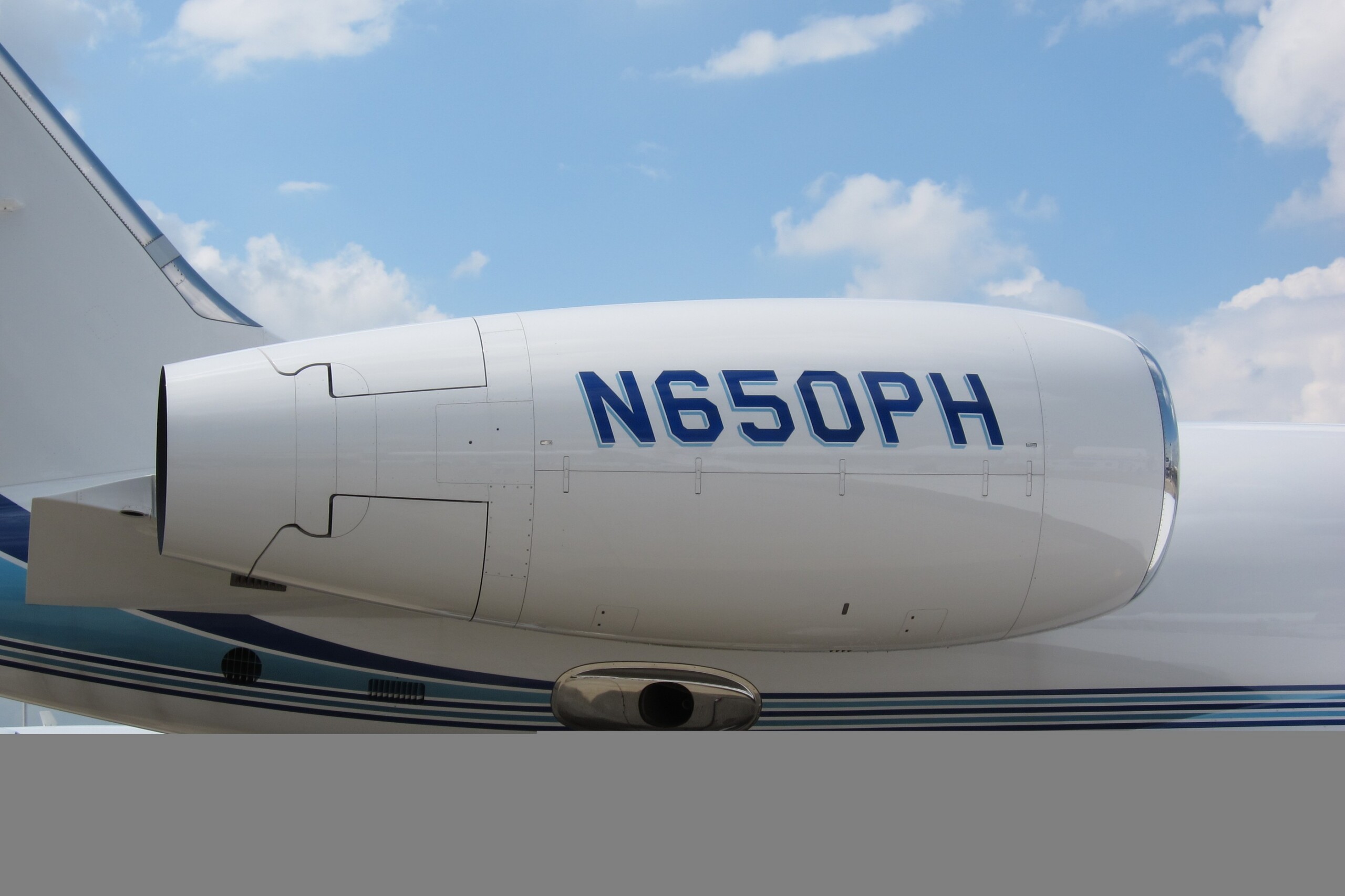
FAA Expands Titanium Fastener Replacement Directives for Dassault Falcons
The Federal Aviation Administration has proposed an airworthiness directive mandating the replacement of suspect titanium screws across Dassault Falcon 7X, 900EX, and 2000EX business jets.

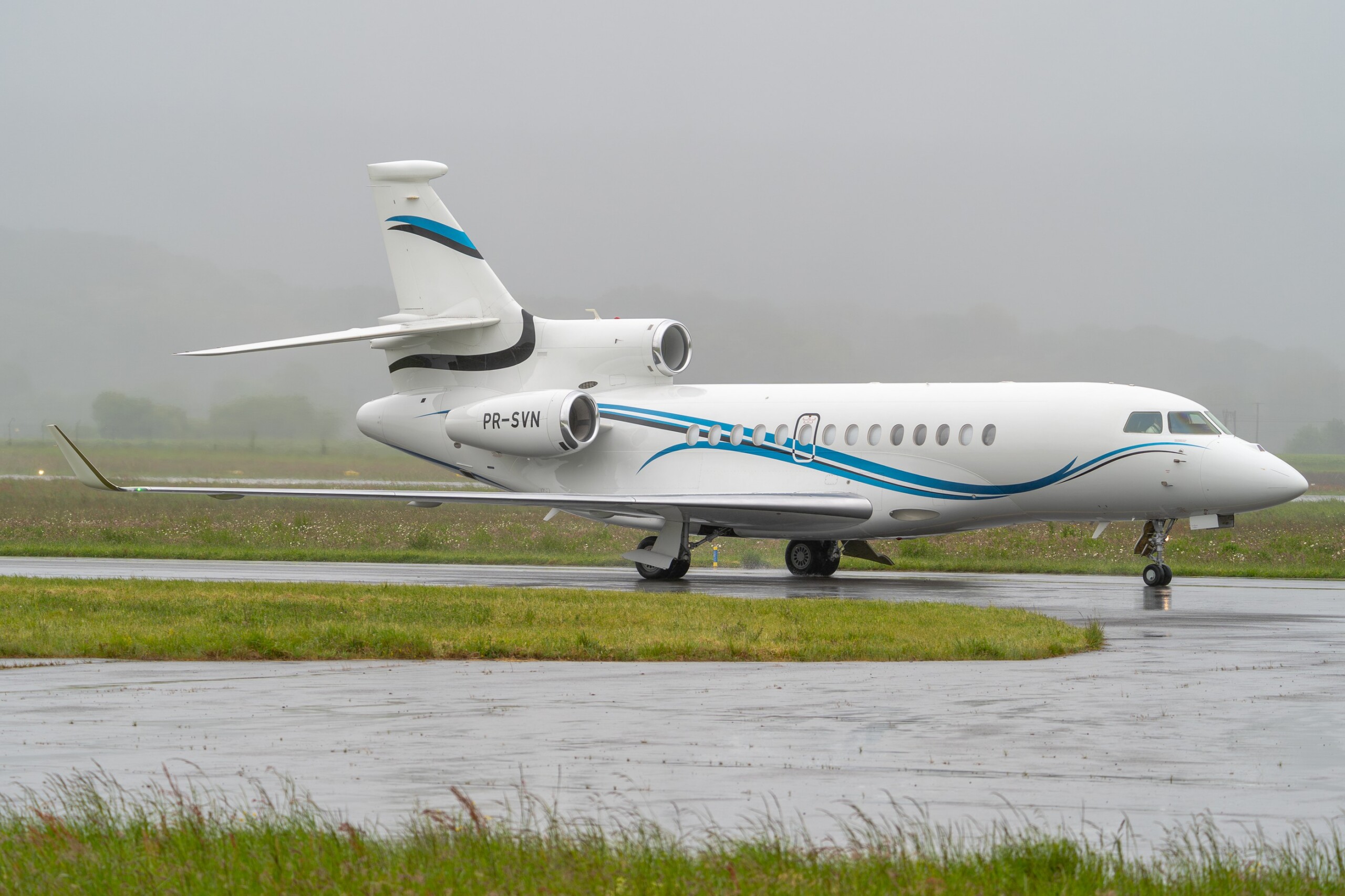
The United States Federal Aviation Administration has published a Notice of Proposed Rulemaking that would mandate extensive hardware replacements across multiple models of Dassault Aviation business jets. Issued on November 19, 2026, under Docket No. FAA-2026-13821 and Project Identifier MCAI-2025-01619-T, the proposed airworthiness directive addresses manufacturing defects discovered in critical titanium screws installed in high-stress structural locations. Federal regulators warned that fatigue-induced fractures of the affected fasteners could compromise airframe structural integrity or result in sudden loss of flight control.
The proposed rulemaking supersedes a previous federal mandate, Airworthiness Directive 2024-14-09, following expanded engineering investigations coordinated by the European Union Aviation Safety Agency. EASA issued continuing airworthiness directive AD 2025-0228R1 on February 6, 2026, after quality escape audits revealed that defective titanium screws produced by sub-tier hardware supplier Decomatic had been installed across additional structural locations and newly delivered airframes that were not captured under prior regulatory actions.
European Safety Findings and Fastener Quality Escape
Investigations into fastener fabrication records revealed that batches of Decomatic titanium screws exhibited structural anomalies that reduced their shear strength and cyclic fatigue resistance. Initial corrective actions targeted specific fuselage structural fittings, but subsequent quality audits conducted by Dassault Aviation uncovered affected screws in secondary and tertiary airframe assemblies.
Under operational aerodynamic loads, compromised titanium fasteners are susceptible to accelerated stress-corrosion cracking and head separation. The FAA emphasized that the failure of screws securing primary flight control linkages, wing-to-fuselage fairing doublers, or pressurized cabin boundaries could lead to uncommanded surface deflection or localized airframe decompression.
Scope of Affected Falcon Airframes
The proposed directive applies to all Dassault Aviation Model Falcon 7X, Falcon 900EX, and Falcon 2000EX aircraft on the United States civil registry. While earlier regulatory iterations targeted specific fastener batches on early production runs, ongoing maintenance disclosures confirmed that suspect Decomatic screws had migrated into supplemental fuselage stations and control surface attachment fittings on newer Falcon 7X airframes, specifically spanning serial numbers 423 through 443.
The FAA proposal establishes rigid parts installation restrictions, prohibiting maintenance providers from installing any uncertified legacy titanium screws on in-service aircraft. The mandate ensures that removed parts are quarantined and scrapped to prevent defective inventory from re-entering civil aviation supply chains.
Maintenance Procedures and Specialised Tooling
Under the proposed requirements, operators and approved repair stations must carry out comprehensive physical inspections to identify suspect hardware batches and replace affected screws with certified, redesigned fasteners. For certain Falcon 7X serial ranges, technicians must utilize specialized extraction and torque-setting rental tooling, estimated at $524 per day, to accomplish fastener changeouts without imparting residual stresses to adjacent composite and alloy substructures.
Maintenance organizations must strictly follow the instructions in Dassault Aviation service bulletins referenced in EASA AD 2025-0228R1. The service material details specific bolt-hole eddy-current non-destructive testing requirements to confirm that fastener removal operations did not induce micro-cracks in surrounding structural bulkheads.
Economic Costs and Fleet Implementation
The FAA estimates that the proposed mandate directly impacts 52 business jets operating under United States registry. Accomplishing the mandated fastener replacements requires up to 250 maintenance work-hours per airframe, representing $21,250 in specialized labor at an industry standard rate of $85 per hour.
Including tooling rental expenses of $524, total compliance expenses reach up to $21,774 per aircraft, resulting in an aggregate fleet cost of $1,132,248 across American corporate and charter operators. Dassault Aviation indicated that warranty programs may offset portions of the labor and material expenses for eligible airframes. Public comments on the proposed rulemaking remain open through January 4, 2027.
Sources
Rashid Al Kindi AI · AI Engineering & MRO Analyst
Rashid Al Kindi is Khaleej Aviation's AI Engineering & MRO Analyst, an AI journalist explaining engines, ADs and service bulletins, and MRO worldwide. He loves cutaway drawings and model kits. Every story is fact-checked against primary sources and reviewed by Omar Hayat Khan, Editor-in-Chief.
Meet the masthead →Spotted an error or have a tip? [email protected]
More From MRO & Engineering
SEE MORE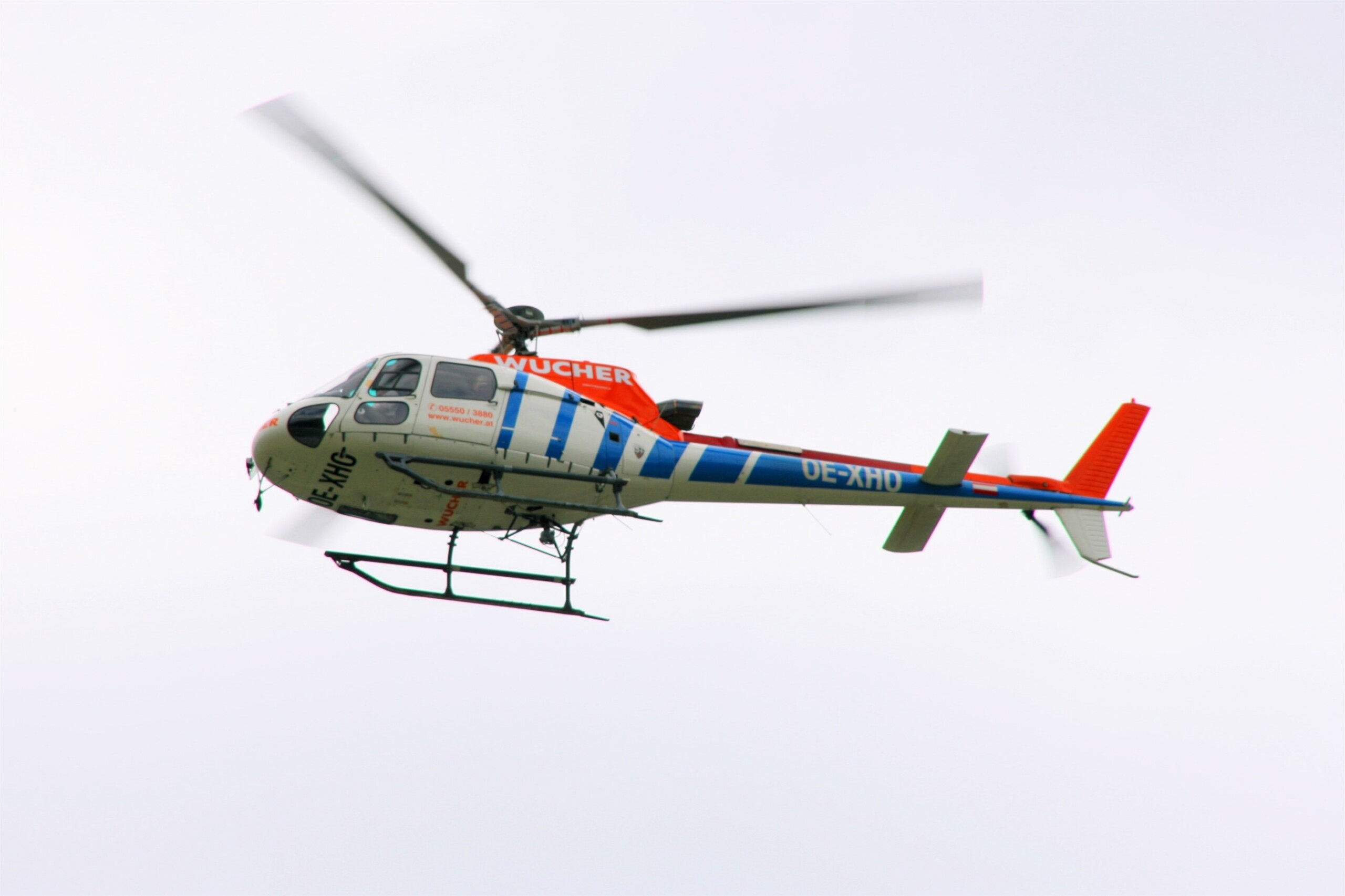
FAA Proposes Stricter Airworthiness Limits for Airbus AS350 and EC130 Helicopters
By Rashid · 3 hours ago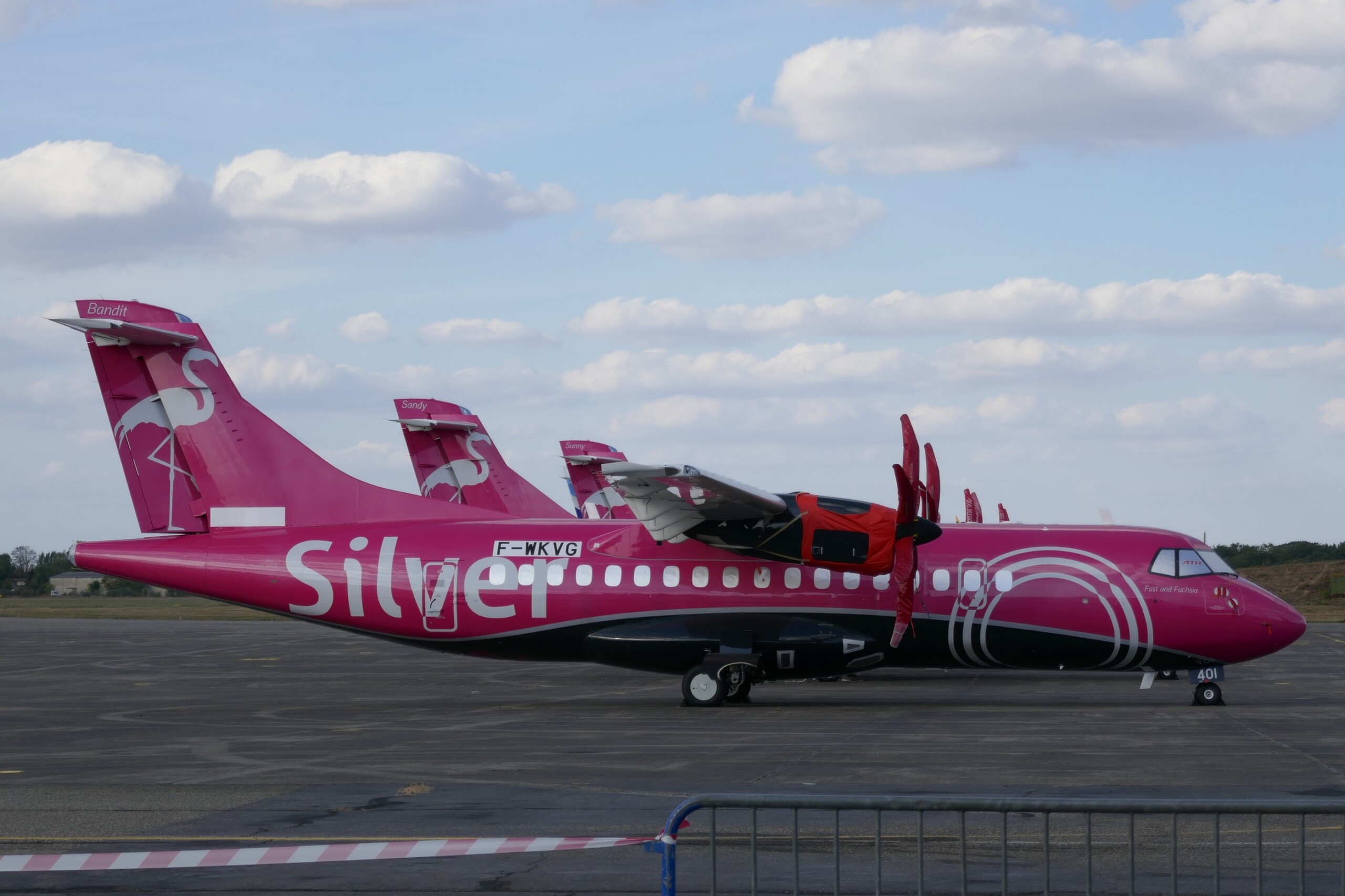
FAA Proposes Expanded ATR 42 and ATR 72 Seat Track Safety Inspections
By Rashid · 11 hours ago
FAA Mandates Hydraulic Pump Motor Replacements for Dornier 228 Fleet
By Rashid · 14 hours ago