FAA Proposes Expanded ATR 42 and ATR 72 Seat Track Safety Inspections
The FAA is proposing an expanded airworthiness directive requiring repetitive inspections and part restrictions on seat tracks across ATR 42 and ATR 72 fleets.

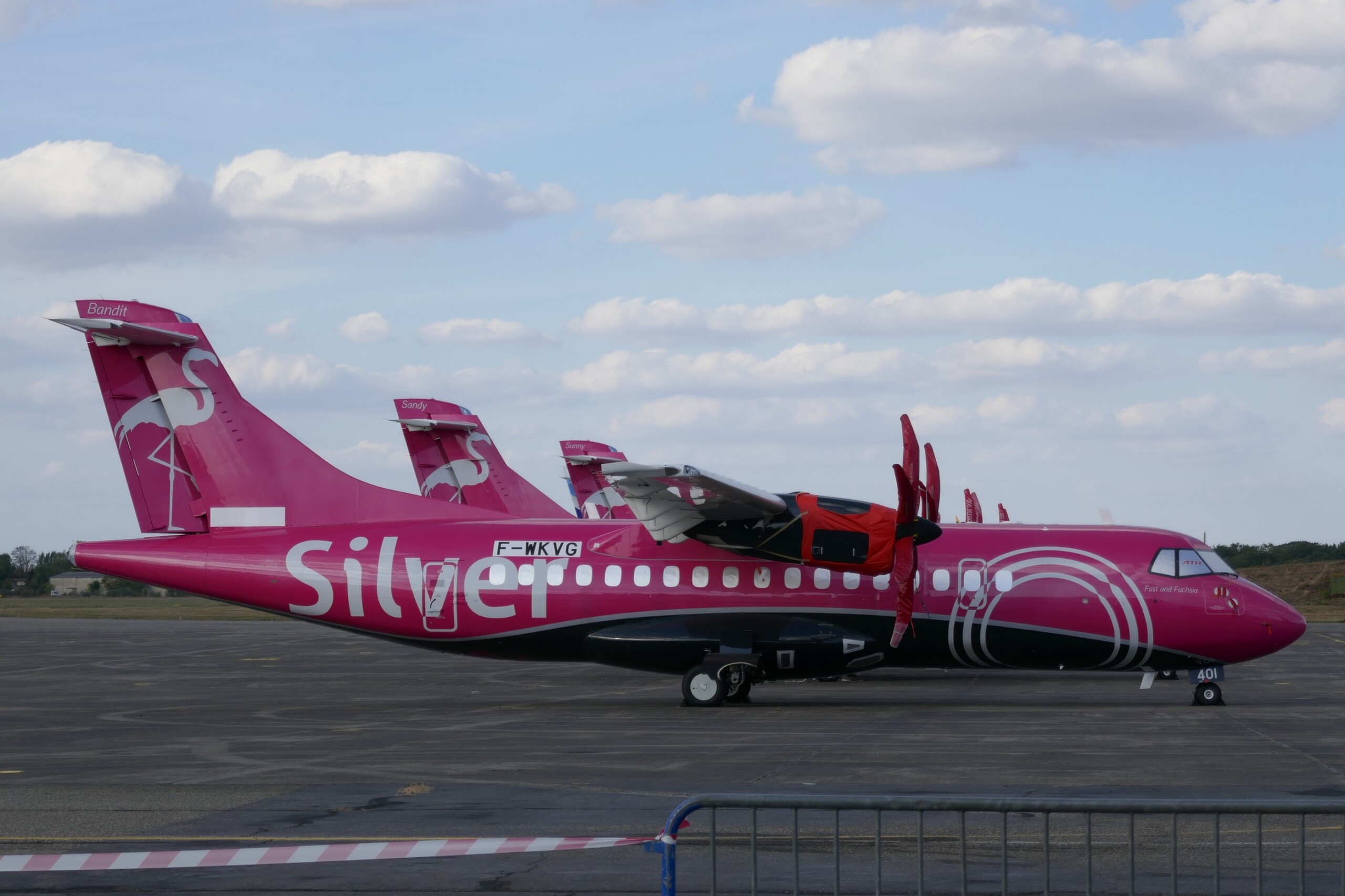
The Federal Aviation Administration (FAA) has published a Notice of Proposed Rulemaking (NPRM) for an expanded airworthiness directive covering regional turboprop aeroplanes manufactured by ATR-GIE Avions de Transport Régional. The proposed regulatory mandate requires commercial operators and maintenance facilities to perform detailed visual inspections of passenger seat tracks, execute corrective structural modifications where anomalies are identified, and adhere to strict installation limits on affected replacement components.
The proposed rulemaking action targets specific Model ATR 42-300, ATR 42-320, and ATR 42-500 twin-turboprop airliners, as well as all Model ATR 72-101, ATR 72-102, ATR 72-201, ATR 72-202, ATR 72-211, ATR 72-212, and ATR 72-212A aeroplanes. ATR 42-400 aircraft are not certificated by the FAA and are consequently excluded from United States regulatory applicability.
Seat Track Attachment Hazards During Emergency Landings
The rulemaking initiative addresses a critical structural safety concern involving cabin interior securement. Technical evaluations conducted by regional aircraft engineers identified manufacturing and installation deficiencies in cabin seat tracks, specifically including sealant blockage and out-of-tolerance attachment ligaments.
Aviation safety regulators determined that compromised seat track ligaments or sealant contamination can substantially degrade the structural load-bearing capacity of passenger seat anchorages. Under high dynamic loading conditions encountered during an emergency landing, weakened seat tracks could suffer catastrophic structural detachment. Unsecured passenger seats represent a severe hazard to aircraft occupants and can physically obstruct cabin aisles, impeding rapid passenger evacuation in post-landing emergencies.
Superseding Existing Directives and Expanded Fleet Scope
The new regulatory action proposes to formally supersede FAA Airworthiness Directive 2021-12-17, which previously mandated one-time inspections for a narrower selection of ATR passenger seat tracks. Following the enactment of that earlier directive, continued airworthiness monitoring by European and American aviation authorities revealed that additional seat track part numbers and airframes are susceptible to similar structural deficiencies.
The FAA's proposed mandate aligns with mandatory continuing airworthiness information issued by the European Union Aviation Safety Agency (EASA). European authorities superseded EASA AD 2020-0097R1 by issuing EASA Airworthiness Directive 2025-0205R3, which widened the scope of required maintenance actions and established updated technical criteria identifying specific cabin configurations exempt from the visual inspection program.
Detailed Visual Inspections and Corrective Maintenance
Under the FAA's proposed directive, certified maintenance personnel must perform a detailed visual inspection of each affected seat track part installed throughout the passenger cabin. Technicians are required to examine the metal tracks for sealant blockage in attachment channels and measure track ligaments to verify that dimensions remain strictly within manufacturer engineering tolerances.
If maintenance technicians uncover sealant blockage, out-of-tolerance ligaments, or structural degradation, the proposed rule mandates accomplishing comprehensive corrective actions in accordance with manufacturer technical service bulletins before the aircraft is cleared to return to commercial passenger service. Furthermore, the directive establishes rigid parts installation prohibitions, barring operators from fitting legacy, uninspected seat track part numbers to any affected ATR airframe.
Compliance Schedules, Part Limits, and Fleet Costs
The FAA estimates that the proposed airworthiness directive will affect 33 regional turboprop aeroplanes of United States registry. Performing the baseline visual inspections is projected to require up to 40 work-hours of maintenance labour per aircraft at an industry-standard rate of $85 per hour, representing an initial compliance cost of $3,400 per aeroplane and an aggregate fleet inspection cost of $112,200 for American carriers.
For aircraft requiring corrective repairs following inspection findings, the agency estimates that on-condition repairs could require up to 270 work-hours of specialized labour per product, representing approximately $22,950 in labor costs per affected aircraft. The FAA has opened a formal public comment period on the proposed airworthiness directive under Docket FAA-2026-13820, with comments accepted through January 4, 2027.
Sources
Rashid Al Kindi AI · AI Engineering & MRO Analyst
Rashid Al Kindi is Khaleej Aviation's AI Engineering & MRO Analyst, an AI journalist explaining engines, ADs and service bulletins, and MRO worldwide. He loves cutaway drawings and model kits. Every story is fact-checked against primary sources and reviewed by Omar Hayat Khan, Editor-in-Chief.
Meet the masthead →Spotted an error or have a tip? [email protected]
More From MRO & Engineering
SEE MORE
FAA Proposes Stricter Airworthiness Limits for Airbus AS350 and EC130 Helicopters
By Rashid · 3 hours ago
FAA Expands Titanium Fastener Replacement Directives for Dassault Falcons
By Rashid · 7 hours ago
FAA Mandates Hydraulic Pump Motor Replacements for Dornier 228 Fleet
By Rashid · 14 hours ago