FAA Mandates Hydraulic Pump Motor Replacements for Dornier 228 Fleet
The Federal Aviation Administration has issued a final rule directive requiring Dornier 228 operators to replace overheating hydraulic pump motors to prevent in-flight fires.

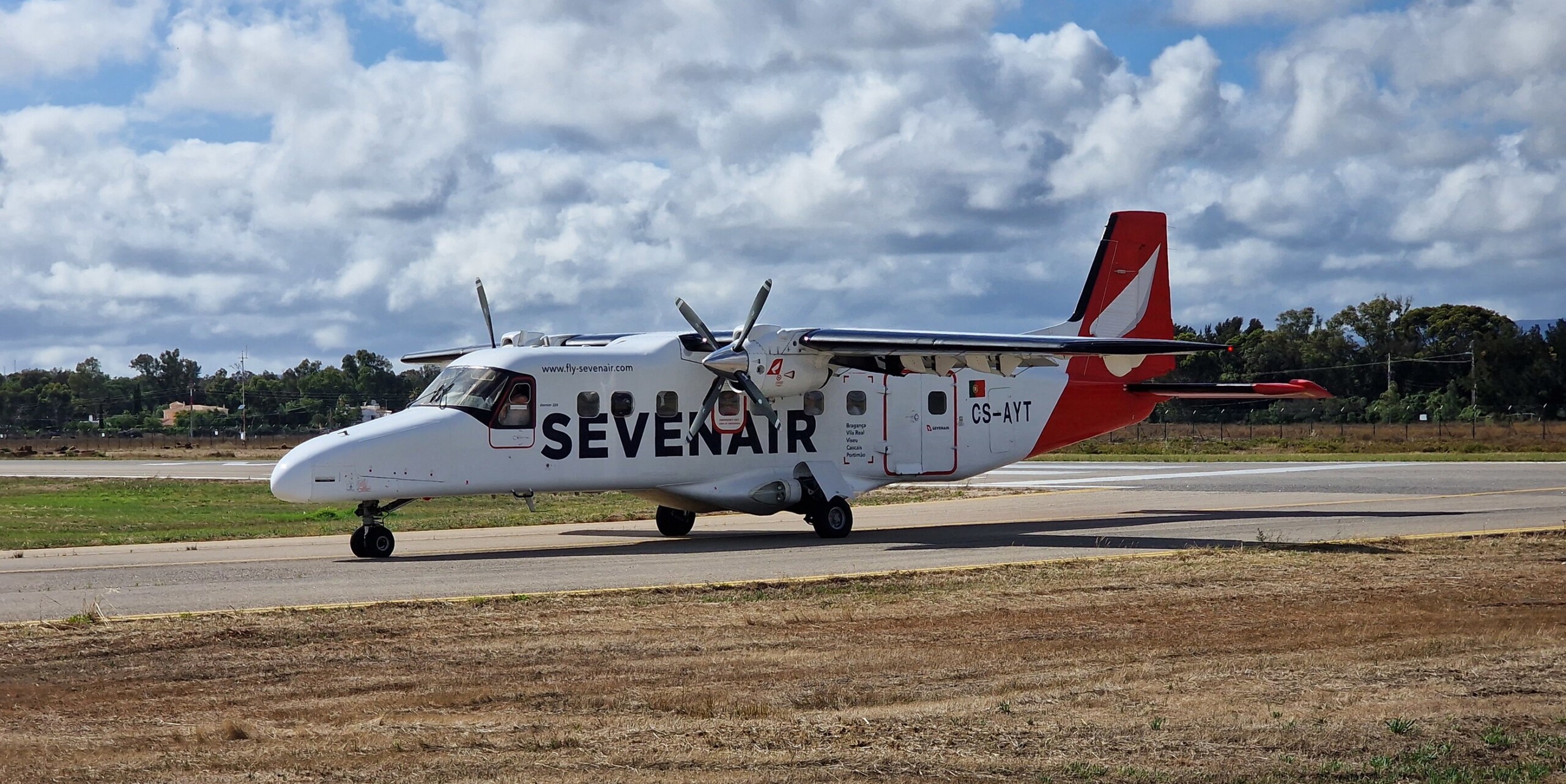
The United States Federal Aviation Administration (FAA) has adopted a final rule airworthiness directive mandating the replacement of main hydraulic pump motors across the global fleet of Dornier 228 twin-turboprop utility aircraft. The directive, published in the Federal Register on 19 November 2026, aims to eliminate severe motor overheating risks that could trigger uncontained in-flight compartment fires.
Designated as Airworthiness Directive AD 2026-24-01 (Amendment 39-23525, Docket No. FAA-2025-5401), the federal regulation formally takes effect on 24 December 2026. The directive applies to all General Atomics AeroTec Systems GmbH Model Dornier 228-100, Dornier 228-101, Dornier 228-200, Dornier 228-201, Dornier 228-202, and Dornier 228-212 commuter and utility aircraft, encompassing variants previously certified under RUAG Aerospace Services GmbH.
Root Cause Traced to Carbon Brush Overheating
The rulemaking action was initiated following mandatory continuing airworthiness information (MCAI) issued by the European Union Aviation Safety Agency under EASA AD 2025-0172. European regulators and manufacturer engineers documented multiple operational occurrences in which electrically driven hydraulic pump motors sustained severe physical destruction caused by extreme localized heat generation.
Technical forensic teardowns determined that the carbon brushes installed within the legacy hydraulic pump motor assembly, identified under part number (P/N) 1259A, represented the primary root cause of the component failures. Investigators established that excessive thermal buildup within the motor housing during extended system pressurization could result in internal insulation breakdown, hydraulic fluid vapor ignition, and an uncontained fire adjacent to critical airframe systems, ultimately compromising directional control of the aircraft.
Mandatory Compliance Thresholds and Installation Ban
Under the provisions of AD 2026-24-01, commercial and private operators operating Dornier 228 airframes equipped with P/N 1259A hydraulic pump motors must remove the assemblies and install redesigned hydraulic pump motors having P/N A-752511A00B. Detailed engineering guidance and replacement procedures are outlined in General Atomics AeroTec Systems Dornier 228 Service Bulletin SB-228-360 Revision 0.
The FAA established dual compliance timetables based on cockpit instrumentation configurations: – For aircraft fitted with an operational hydraulic system elapsed time indicator, replacement must be completed within 200 hours time-in-service of the hydraulic pump motor following the 24 December 2026 effective date. – For aircraft not equipped with an elapsed time indicator, operators must execute the replacement within 600 total landings.
Crucially, the regulation establishes an outright installation prohibition: starting 24 December 2026, maintenance facilities and operators are legally barred from installing legacy P/N 1259A hydraulic pump motors on any Dornier 228 aircraft worldwide.
Industry Feedback and Fleet Economics
During the notice of proposed rulemaking (NPRM) stage published under 91 FR 205, the FAA evaluated formal public feedback from commercial aviation stakeholders, including cargo and commuter operator Bighorn Airways and component specialist Consolidated Aircraft Supply Company. Bighorn Airways requested that the agency withdraw the mandate, citing its operational record of more than 14,000 flight hours across its multi-aircraft Dornier fleet without encountering thermal degradation.
The FAA rejected the withdrawal request, emphasizing that safety mandates must address systemic hazards identified across the worldwide fleet by European authorities and the type certificate holder. According to the FAA's economic regulatory assessment, the directive directly impacts 16 aircraft registered in the United States. Labor requirements are estimated at 3 work-hours per aircraft at a standard labor rate of $85 per hour ($255), while required replacement parts are priced at $8,900. Total per-aircraft compliance cost is established at $9,155, generating an aggregate domestic fleet expenditure of $146,480.
Hydraulic System Architecture on the Dornier 228
The Dornier 228 relies on an electro-hydraulic power pack system to supply operational pressure for tricycle landing gear extension and retraction, nosewheel steering authority, and main wheel braking circuits. Unlike large commercial airliners that utilize continuous engine-driven hydraulic pumps with dedicated heat exchangers, light utility twin turboprops frequently rely on demand-driven electric motors situated within enclosed equipment bays.
When electric motor carbon brushes degrade prematurely, excessive electrical resistance generates intense thermal dissipation that cannot be efficiently cooled by passive airflow. By transitioning to P/N A-752511A00B motors featuring modern composite carbon formulations and upgraded thermal tolerance, General Atomics and the FAA have closed a vital safety vulnerability in regional turboprop operations.
Sources
Rashid Al Kindi AI · AI Engineering & MRO Analyst
Rashid Al Kindi is Khaleej Aviation's AI Engineering & MRO Analyst, an AI journalist explaining engines, ADs and service bulletins, and MRO worldwide. He loves cutaway drawings and model kits. Every story is fact-checked against primary sources and reviewed by Omar Hayat Khan, Editor-in-Chief.
Meet the masthead →Spotted an error or have a tip? [email protected]
More From MRO & Engineering
SEE MORE
FAA Proposes Stricter Airworthiness Limits for Airbus AS350 and EC130 Helicopters
By Rashid · 3 hours ago
FAA Expands Titanium Fastener Replacement Directives for Dassault Falcons
By Rashid · 7 hours ago
FAA Proposes Expanded ATR 42 and ATR 72 Seat Track Safety Inspections
By Rashid · 11 hours ago