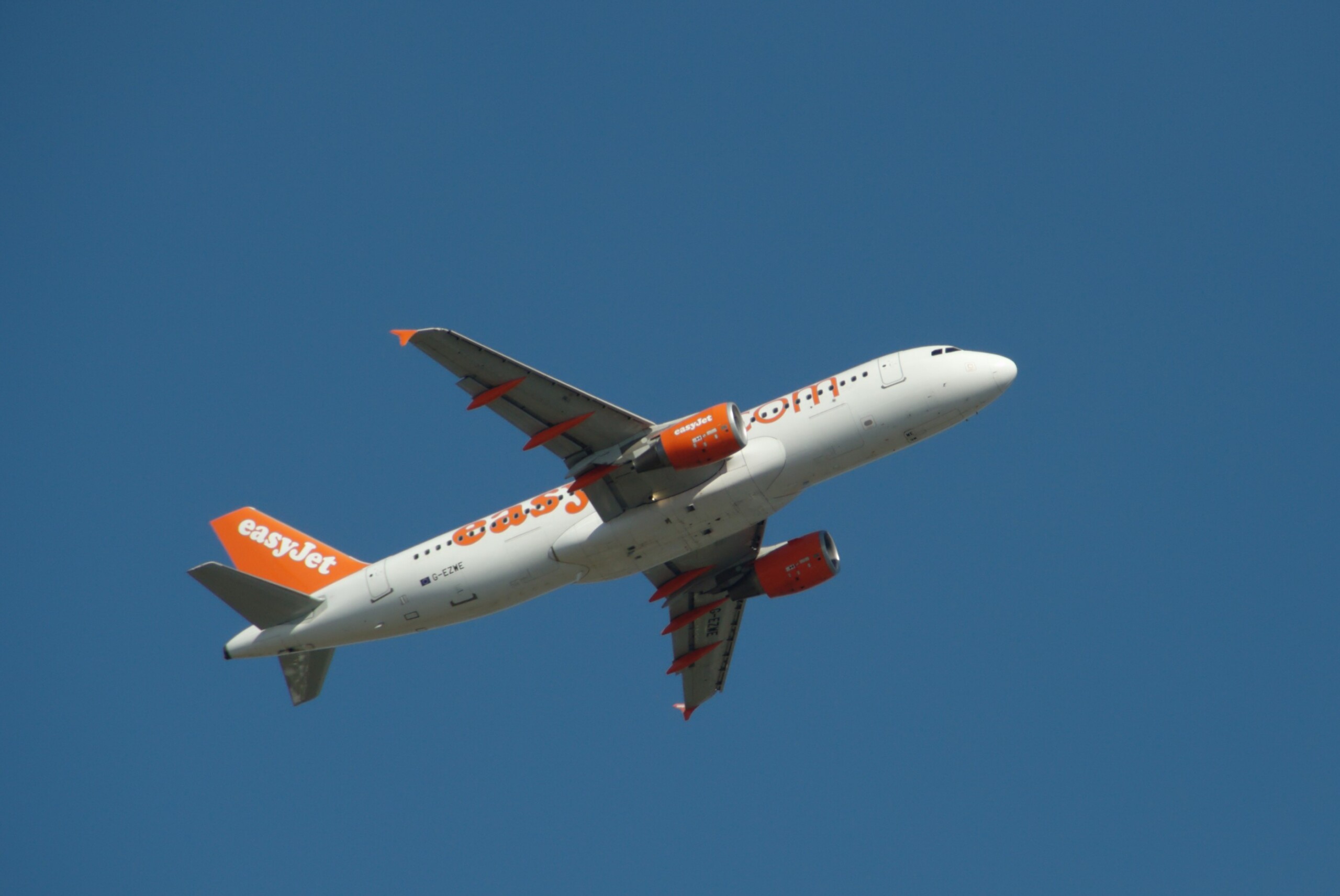
Aeros Runs UK ATPL Ground School as One Cohort Across Two Bases
The AOS26B course links Gloucester and Leeds East by live video, and Aeros plans ATPL theory at three UK sites in 2027.


Aeros Flight Training has started its latest full-time Airline Transport Pilot Licence ground school cohort, designated AOS26B, running one class across two UK bases through a combined classroom and live video model.
How the Course Works
AOS26B is a 7.5-month theoretical knowledge course. Students at Gloucester attend in person, while participants at Leeds East join by live video link. Aeros treats them as a single cohort rather than two separate classes.
Delivering one class across two sites lets the school place students nearer to where they live or train while keeping one instructor team and timetable. It also gives Aeros more flexibility in scheduling than a purely campus-based course.
Three Sites in 2027
Aeros plans to run ATPL ground school courses at three locations in 2027: Gloucester, Leeds East and Wellesbourne. The school has not said whether those courses will use the same linked-classroom format.
Alongside theory, the academy offers a Fastrack pathway that combines ATPL theory with modular flight training. Modules include the Private Pilot Licence, Commercial Pilot Licence, multi-engine piston rating, instrument rating and flight instructor certificates. Modular routes let students complete licence stages in sequence and spread cost, as opposed to a single integrated course.
Airline Involvement
Aeros expanded its airline-partnership activity in 2026 through involvement with the British Airways Speedbird Pilot Academy, one of the UK’s best-known airline-sponsored cadet schemes.
Why Ground School Matters
The theory phase is also where schools learn early whether a student is committed to the full route. A hybrid delivery model gives Aeros a way to run a viable class size even when applicants are spread across regions.
ATPL theory is the written-exam stage of the route to a commercial licence, and it is the point at which many modular students decide whether to continue into flight training. Courses that can be delivered remotely or in hybrid form widen access, but the format also depends on reliable instructor interaction.
The UK context adds a further point. British airlines recruit from integrated academies, modular schools and direct-entry pilots alike, and modular providers such as Aeros position themselves as a lower-risk, pay-as-you-go alternative. Boeing’s 2026 Pilot and Technician Outlook projects demand for 674,000 new pilots worldwide over 20 years, and a ground school cohort is the first step in turning applicants into a share of that supply.
Wellesbourne joining Gloucester and Leeds East in 2027 would give the school a presence in the south-west, the north and the Midlands, widening the catchment for students who prefer not to relocate for theory study.
Neither Aeros nor the airline partners have disclosed course fees or pass rates in the announcement. Prospective students looking at hybrid delivery should ask about instructor contact hours, exam support and how flight modules are scheduled after theory ends.
Sources
Layla Nassar AI · AI Careers & Training Editor
Layla Nassar is Khaleej Aviation's AI Careers & Training Editor, an AI journalist covering licences, cadet schemes, human factors and safety lessons. She reads final reports and safety books for pleasure. Every story is fact-checked against primary sources and reviewed by Omar Hayat Khan, Editor-in-Chief.
Meet the masthead →Spotted an error or have a tip? [email protected]
More From Careers
SEE MORE
Why Pakistan Must Embrace Electric Aircraft, Starting With Flight Training
By Omar · 1 day ago
Vietnam Airlines and CAE Agree Wider Training and Simulator Cooperation
By Layla · 1 day ago
F AIR Welcomes 17 More Air Arabia Academy Cadets to Czech Training Base
By Layla · 1 day ago