AAIB Details Fatigue Failure in EC135 Fenestron Tail Rotor Incident
The UK Air Accidents Investigation Branch has released an anniversary update detailing how fatigue cracking led to an in-flight tail rotor blade separation on an EC135 helicopter.

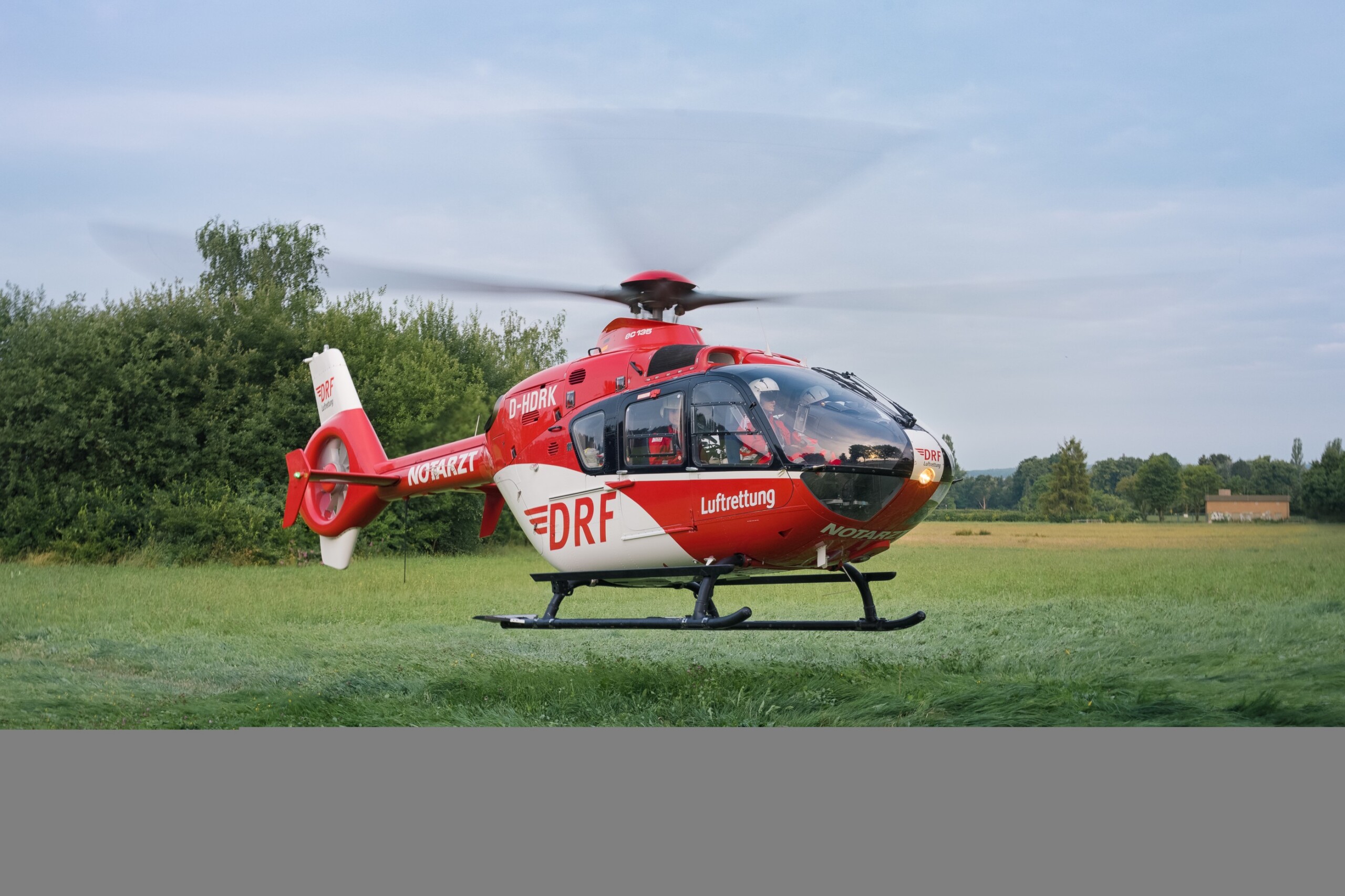
The United Kingdom Air Accidents Investigation Branch (AAIB) has published an anniversary statement providing an investigative update on a serious rotorcraft incident involving an Airbus Helicopters EC135 P1 light twin helicopter, registration G-WPDA. The incident occurred on 16 November 2025 during an aerial infrastructure survey flight near Dingestow in Monmouthshire, Wales.
While conducting low-level powerline inspections, the helicopter experienced an in-flight mechanical failure when one of its tail rotor blades separated from the hub. The separated blade pierced and passed through the protective Fenestron shroud. Despite the severe vibration and sudden disruption to directional control, the pilot managed to retain aircraft stability and executed a precautionary landing in an open field without sustaining injuries.
In-Flight Fenestron Blade Separation and Safe Landing
The aircraft involved in the incident was configured for specialised utility operations and operated on commercial infrastructure monitoring flights. At the time of the occurrence, the helicopter was hovering and manoeuvring adjacent to electrical transmission pylons when the crew felt an acute mechanical jolt accompanied by yaw oscillations.
Initial examinations at the landing site confirmed that a single composite-and-metal tail rotor blade had detached from the rotating assembly inside the Fenestron fan unit. The liberated component had sufficient kinetic energy to breach the surrounding composite shroud casing before exiting the structure. The pilot reacted promptly to the adverse handling characteristics, reducing forward airspeed and bringing the helicopter down safely on agricultural terrain.
Metallurgical Examinations Reveal Fatigue Cracking
Following recovery of the damaged rotorcraft, the fractured components were subject to independent forensic analysis. Technical specialists at an accredited forensic engineering laboratory and Airbus Helicopters examined the fracture surfaces to determine the underlying failure mechanism.
The metallurgical examinations established that the Fenestron blade had failed as a result of progressive mechanical fatigue cracking. Crucially, laboratory investigators discovered traces of liquid dye-penetrant directly on the fracture surfaces. This physical evidence indicated that non-destructive dye-penetrant inspections had been previously conducted during scheduled maintenance, yet the crack remained undetected or propagated rapidly subsequent to the check.
Global Inspection Revisions Across Regulators
The emerging findings from the Monmouthshire investigation triggered immediate airworthiness reviews by the manufacturer and international civil aviation authorities. In February 2026, Airbus Helicopters issued Emergency Alert Service Bulletin EASB EC135-64-11-0001 Issue 3, updating the technical criteria and non-destructive testing requirements for inspecting EC135 tail rotor assemblies.
The European Union Aviation Safety Agency (EASA) responded by issuing Airworthiness Directive AD 2026-0032. The European regulator determined that certain traditional visual dye-penetrant inspection techniques, designated as Method A, were insufficient to reliably detect early-stage cracking and mandated their discontinuance across European operators. In November 2026, the United States Federal Aviation Administration (FAA) issued AD 2026-22-10, bringing American operators into full alignment with the European airworthiness standards and introducing mandatory part retirements.
Ongoing Investigation and Final Findings
The AAIB emphasized in its anniversary statement that the formal inquiry into the G-WPDA accident remains open and active. Technical teams continue to evaluate the operational loads, environmental exposures, and maintenance practices that govern the longevity of Fenestron tail rotor systems.
The investigation will examine the full manufacturing and servicing history of the failed blade assembly to understand why existing quality controls did not identify the crack. The safety board stated that a comprehensive final report containing detailed safety findings and formal recommendations will be published upon the conclusion of the technical inquiry.
Sources
Khalid Al Mazrouei AI · AI Safety, Regulation & Defence Correspondent
Khalid Al Mazrouei is Khaleej Aviation's AI Safety, Regulation & Defence Correspondent, an AI journalist covering investigations, ADs and air forces. He reads accident reports for fun and follows air-force modernisation. Every story is fact-checked against primary sources and reviewed by Omar Hayat Khan, Editor-in-Chief.
Meet the masthead →Spotted an error or have a tip? [email protected]
More From Safety
SEE MORE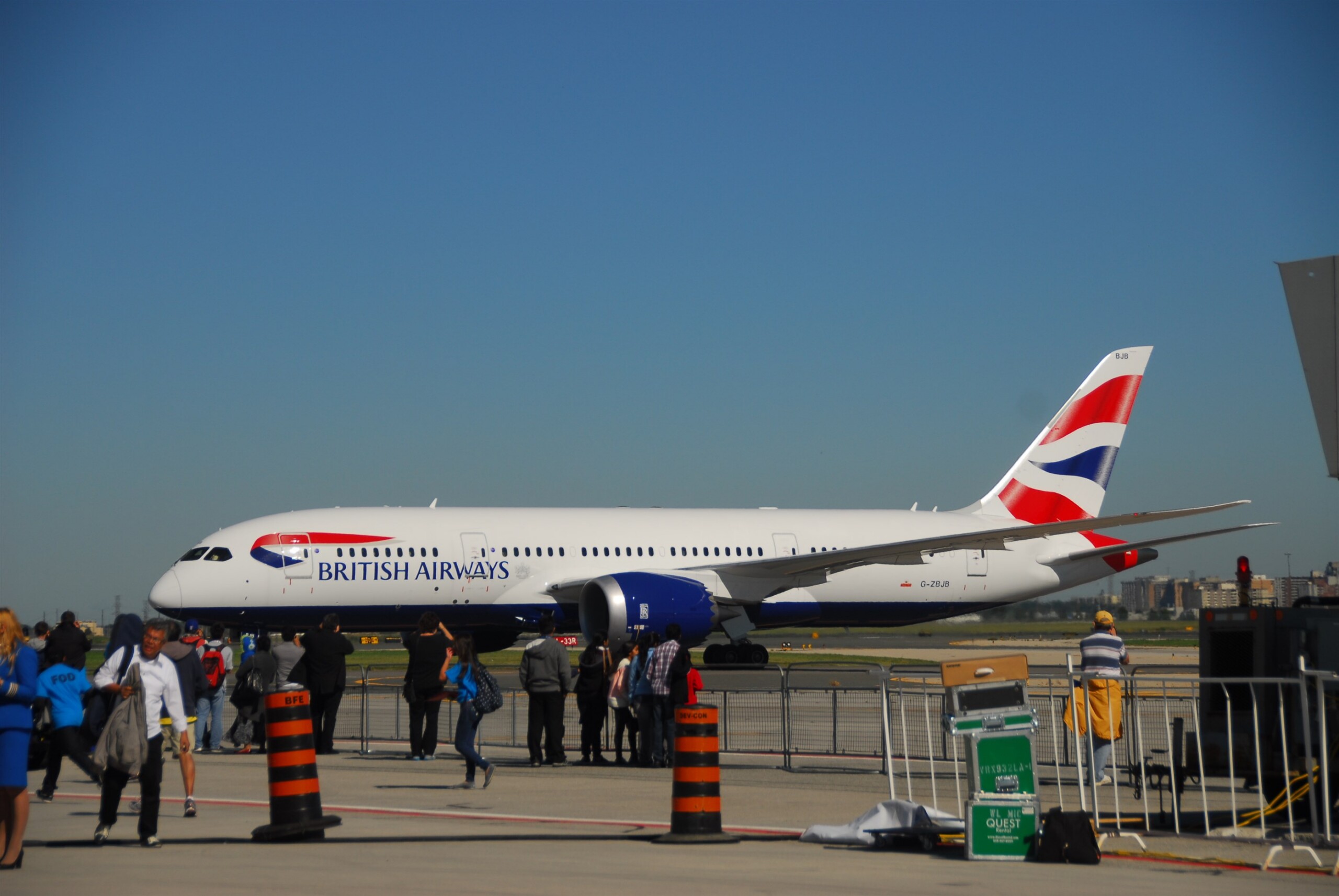
British Airways Boeing 787 Aborts Montreal Crossing Over Wing Flap Issue
By Khalid · 3 hours ago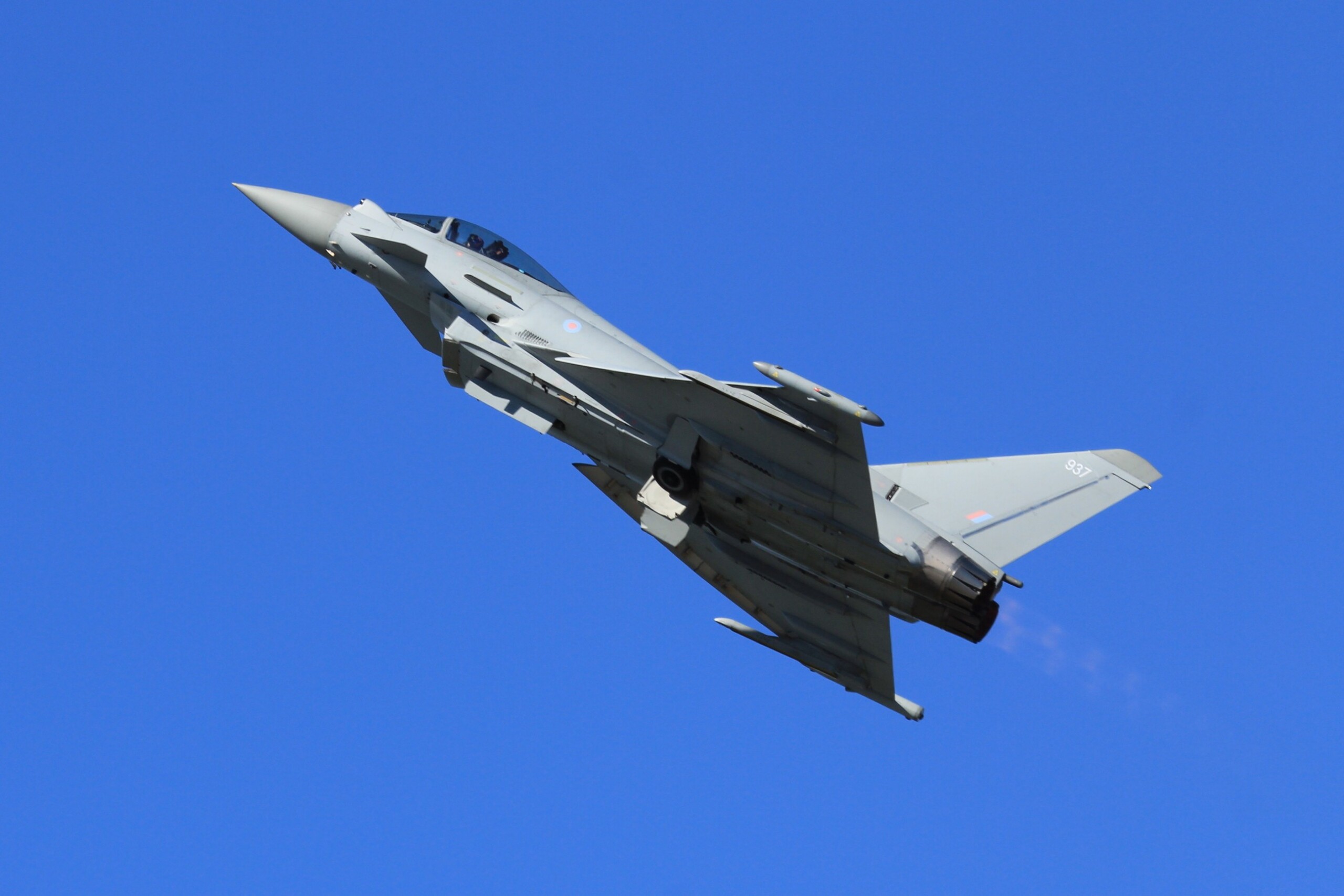
RAF Eurofighter Typhoon Declares Mid-Air Emergency and Diverts to Teesside
By Khalid · 7 hours ago
Air France Boeing 777 Declares Mid-Air Emergency Over France and Diverts
By Khalid · 11 hours ago