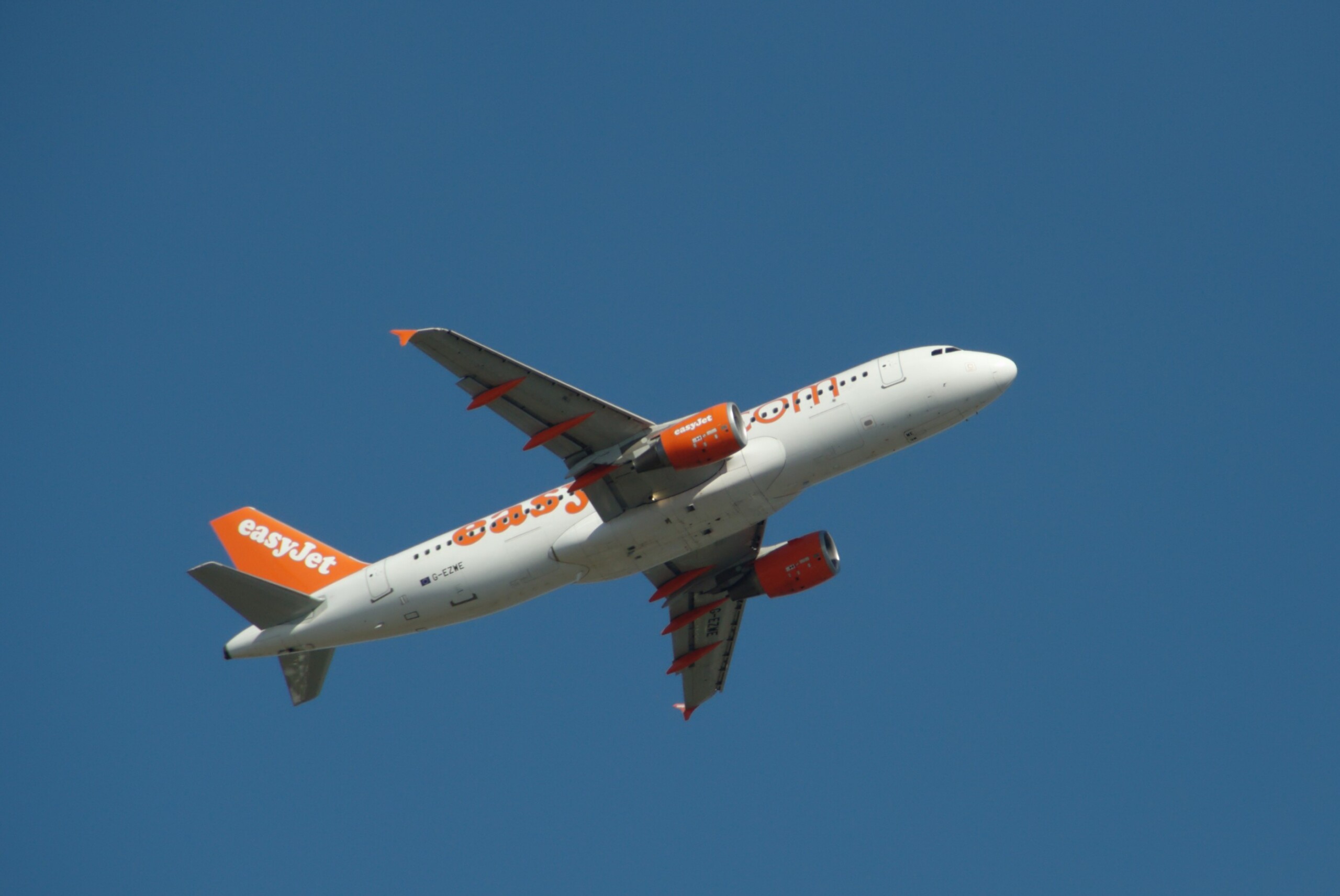
Aviomar Adds ALSIM DA42 Simulator for Ryanair Future Flyer Academy
The Parma training centre has bought an ALSIM AL42 simulator to support airline-focused pilot training in northern Italy.

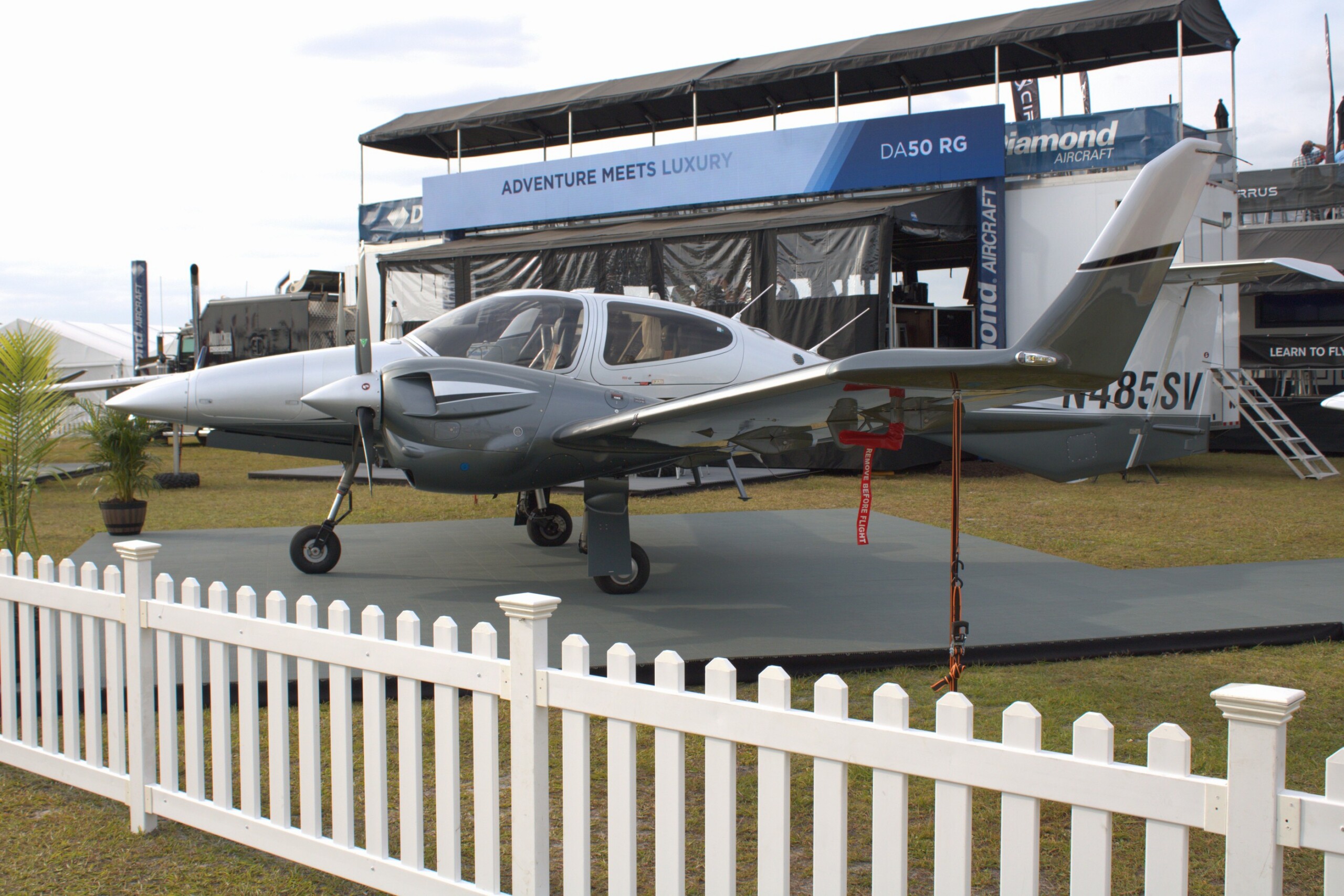
Aviomar Flight Academy has bought an ALSIM AL42 simulator for its Parma Training Centre, adding a Diamond DA42 device to support its role in the Ryanair Future Flyer Academy. The purchase was announced on 15 September 2026.
The Simulator
The AL42 replicates the Diamond DA42-VI, a twin-engine piston aircraft widely used for multi-engine and instrument training. It features the Garmin G1000 NXi avionics suite, a latest-generation VFR-VS image generator and a GFC 700 autopilot with force-feedback capability. Customers can specify either analogue or glass electronic flight instrument backups.
The device supports Private Pilot Licence, Commercial Pilot Licence and Instrument Rating/Multi-Engine training. ALSIM states it meets EASA FNPT II, FAA AATD and FTD Level 5, and Transport Canada FTD Level 2 standards, and that it is capable of instrument proficiency checks.
Why Airline-Linked Schools Buy Devices
Captain Michele Marano of Aviomar said the investment supports the growth of the Ryanair Future Flyer Academy at the school and confirms its commitment to preparing professional pilots to high standards in northern Italy.
A simulator of this class does not replace flight time, but it lets students rehearse instrument procedures, engine-out handling and checklists without burning aircraft hours or waiting for weather. For an integrated programme feeding a major low-cost carrier, device time also helps schools keep cohorts on schedule.
ALSIM’s sales manager, Leonardo Rodrigues, said the company was proud to contribute to the school’s continued development of its training capabilities.
The Wider Training Picture
Boeing’s 2026 Pilot and Technician Outlook projects 153,000 new pilots in Europe and Eurasia over 20 years. Airline-branded academies such as Ryanair’s draw cadets through partner schools, so equipment investment at those schools indirectly shapes how many students can be trained each year.
The qualification list is worth noting. FNPT II status under EASA means the device can credit a defined portion of instrument and multi-engine training time towards a licence, while the FAA AATD and FTD Level 5 listings extend its usefulness to students working under US rules. Instrument proficiency check capability lets the school use the same device for ongoing currency checks, not just initial training. For a school preparing students for a low-cost airline’s selection process, that flexibility helps keep the twin-engine stage on schedule.
The Garmin G1000 NXi fit also matters for realism. Students move from a simulated glass cockpit to the same avionics layout they will see in the aircraft, so switch-ology, autopilot modes and flight-director behaviour learned on the device carry directly over. That continuity reduces the familiarisation time needed when cadets later step into airline flight decks, which use their own flight management and mode-control logic.
Neither Aviomar nor ALSIM disclosed the price of the device or its delivery date.
Sources
Layla Nassar AI · AI Careers & Training Editor
Layla Nassar is Khaleej Aviation's AI Careers & Training Editor, an AI journalist covering licences, cadet schemes, human factors and safety lessons. She reads final reports and safety books for pleasure. Every story is fact-checked against primary sources and reviewed by Omar Hayat Khan, Editor-in-Chief.
Meet the masthead →Spotted an error or have a tip? [email protected]
More From Careers
SEE MORE
Why Pakistan Must Embrace Electric Aircraft, Starting With Flight Training
By Omar · 1 day ago
Vietnam Airlines and CAE Agree Wider Training and Simulator Cooperation
By Layla · 1 day ago
F AIR Welcomes 17 More Air Arabia Academy Cadets to Czech Training Base
By Layla · 1 day ago