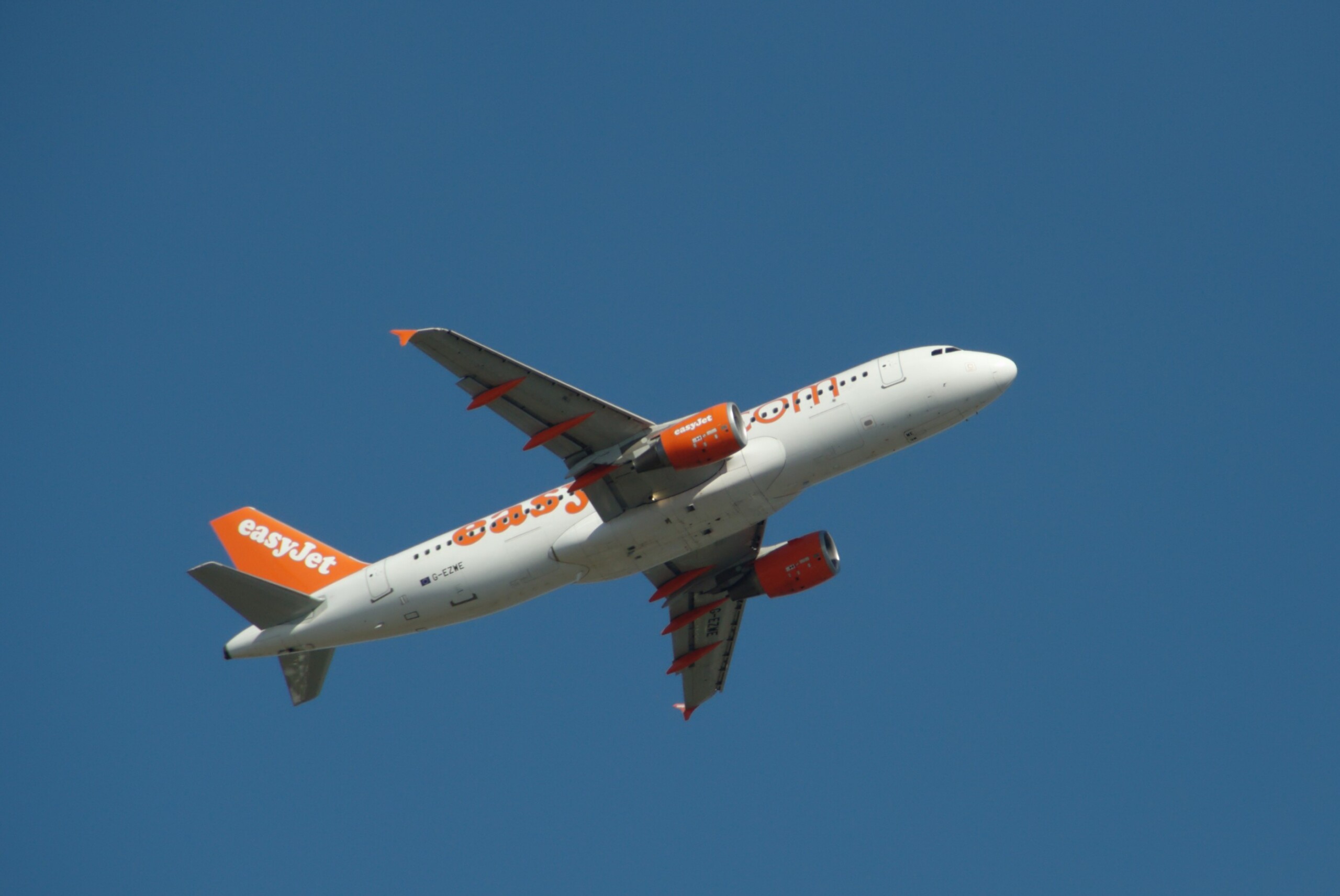
FlyBy Aviation Academy Starts Spanish Pilot Course With 44 Cadets
The new batch of 44 cadets from 14 nationalities is split between FlyBy's Burgos and Logroño campuses.

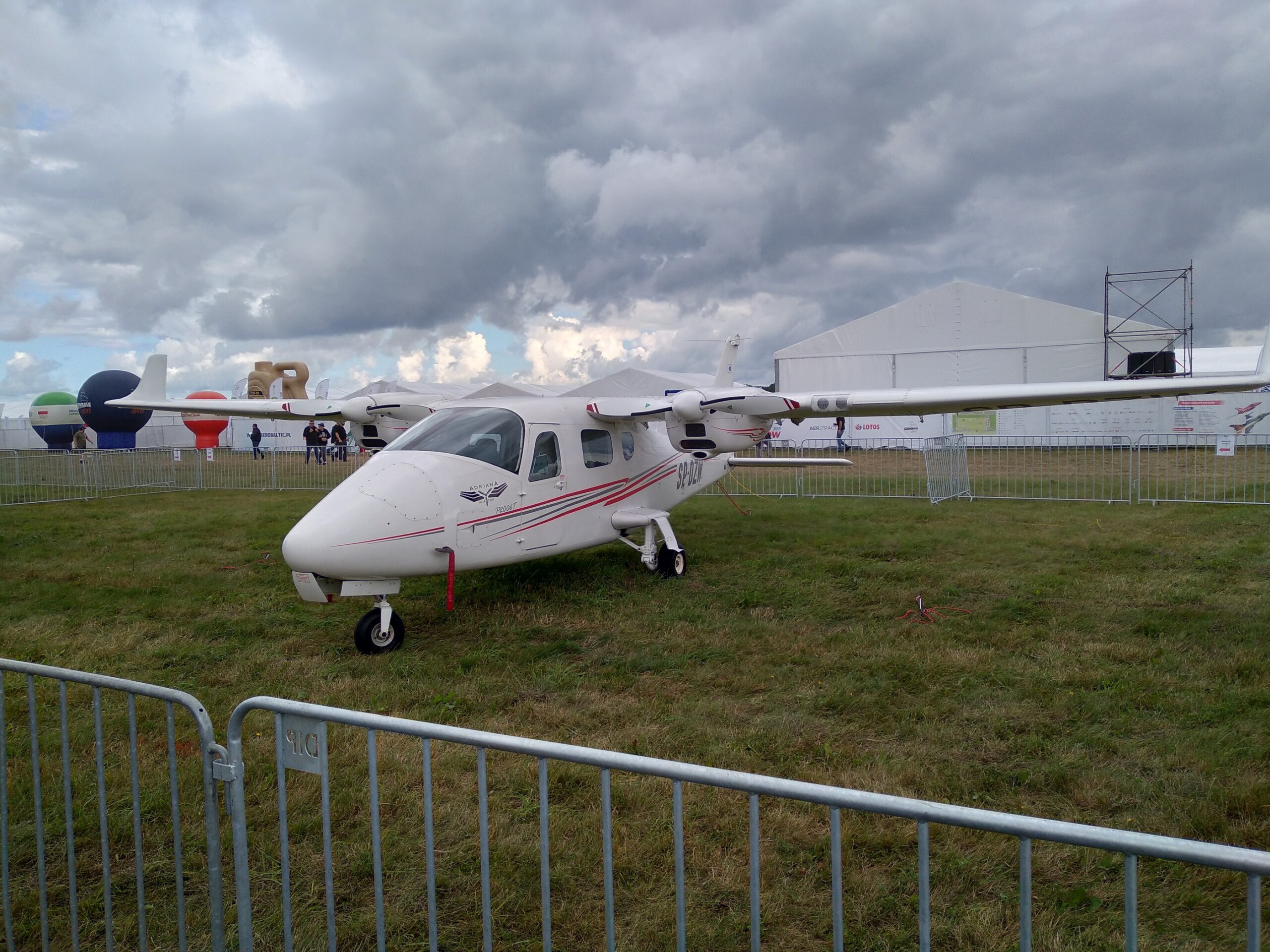
FlyBy Aviation Academy in Spain has begun a new pilot training course with 44 cadets from 14 nationalities. The intake, designated Batch 26500, is running in two parallel classes at the academy’s campuses in Burgos and Logroño.
Two Campuses, One Intake
Splitting the batch lets FlyBy run theoretical instruction in two locations at once, rather than building a single oversized class. The academy has not published the breakdown of cadets by campus.
The start follows a graduation ceremony at which 15 new pilots from 13 nationalities received their wings and diplomas. Taken together, the two events show a school that is both producing and replenishing a mixed international student body.
Jesus Piñate, FlyBy’s chief theoretical knowledge instructor, said the quality of the early theoretical phase is what prepares cadets for the challenges of the practical stage that follows. That sequencing, ground school first and flight training after, is standard for integrated and modular courses leading to an EASA commercial licence.
Scale of the Operation
FlyBy reports a fleet of 46 aircraft and four simulators, generating more than 40,000 flight hours a year across its campuses. That volume supports several concurrent courses rather than a single annual cohort.
Training Volume in Perspective
More than 40,000 flight hours a year across 46 aircraft works out at roughly 870 hours per aircraft, which indicates a high-utilisation operation typical of a school running integrated and modular courses in parallel. Four simulators sit alongside that fleet, giving instructors a way to cover instrument procedures and abnormal scenarios that are difficult or costly to practise in the air. The number of nationalities in a single batch, 14, also shows how much of European flight training now serves an international customer base.
Context for Prospective Cadets
European flight schools are recruiting against a backdrop of strong airline demand. Boeing’s 2026 Pilot and Technician Outlook puts Europe’s 20-year pilot requirement at 153,000 and the global figure at 674,000, with two-thirds driven by attrition and retirements.
Students weighing an academy typically look at fleet size, simulator access and instructor depth, because those determine how quickly flying hours can be completed once ground school ends. A cadet intake from 14 countries also signals that Spanish training organisations are drawing from a wide international market rather than only domestic applicants.
The batch designation, 26500, follows the academy’s own numbering and gives no detail on course type. Graduation and intake events appearing within weeks of each other is normal for a school running continuous cycles, and it means that a cadet starting now will overlap with students at every stage of training, from ground school to final flight tests.
FlyBy has not stated the course length, fees or any airline partnership attached to Batch 26500. Applicants considering the academy should confirm those terms with the school directly.
Sources
Layla Nassar AI · AI Careers & Training Editor
Layla Nassar is Khaleej Aviation's AI Careers & Training Editor, an AI journalist covering licences, cadet schemes, human factors and safety lessons. She reads final reports and safety books for pleasure. Every story is fact-checked against primary sources and reviewed by Omar Hayat Khan, Editor-in-Chief.
Meet the masthead →Spotted an error or have a tip? [email protected]
More From Careers
SEE MORE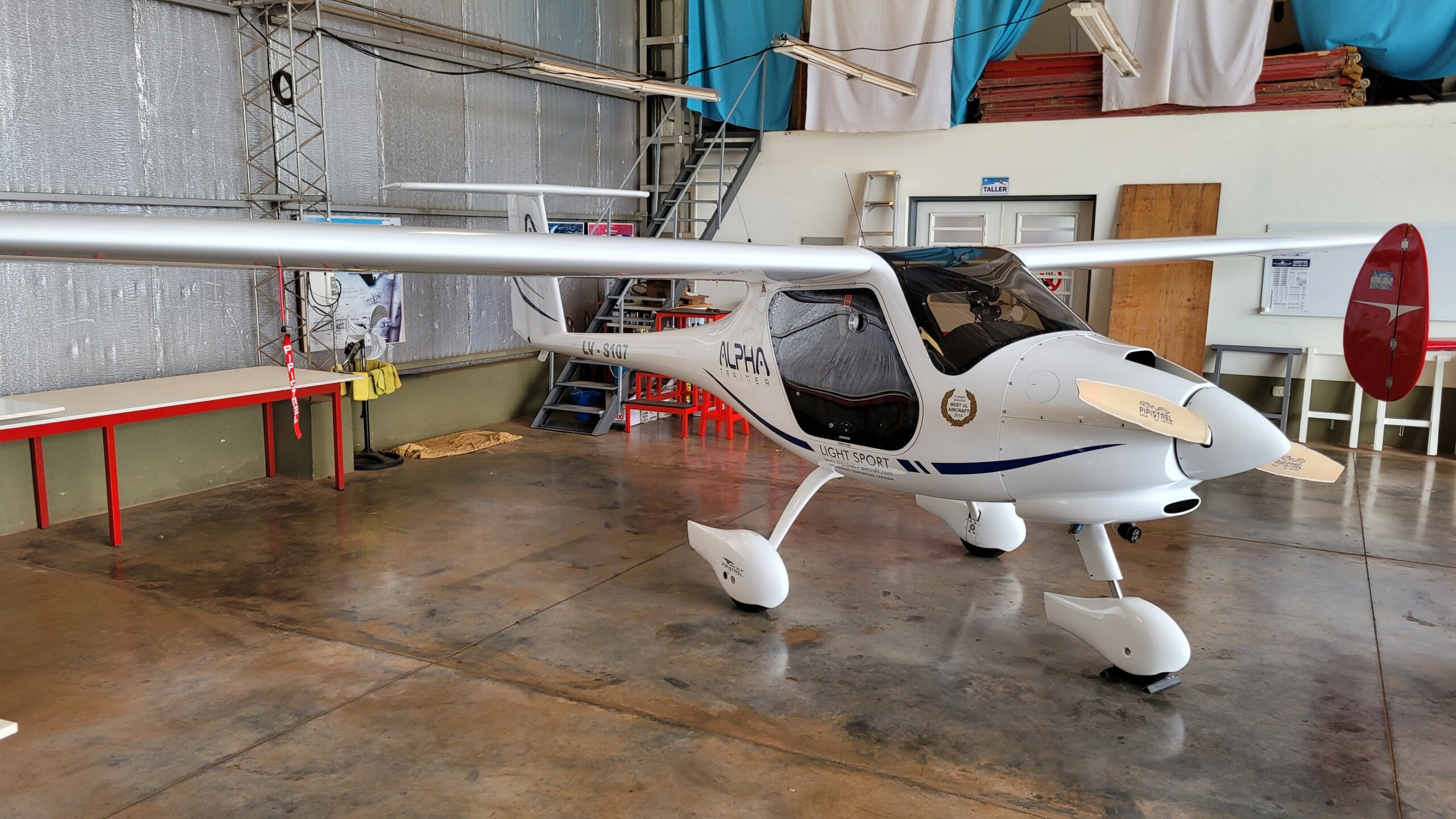
Why Pakistan Must Embrace Electric Aircraft, Starting With Flight Training
By Omar · 1 day ago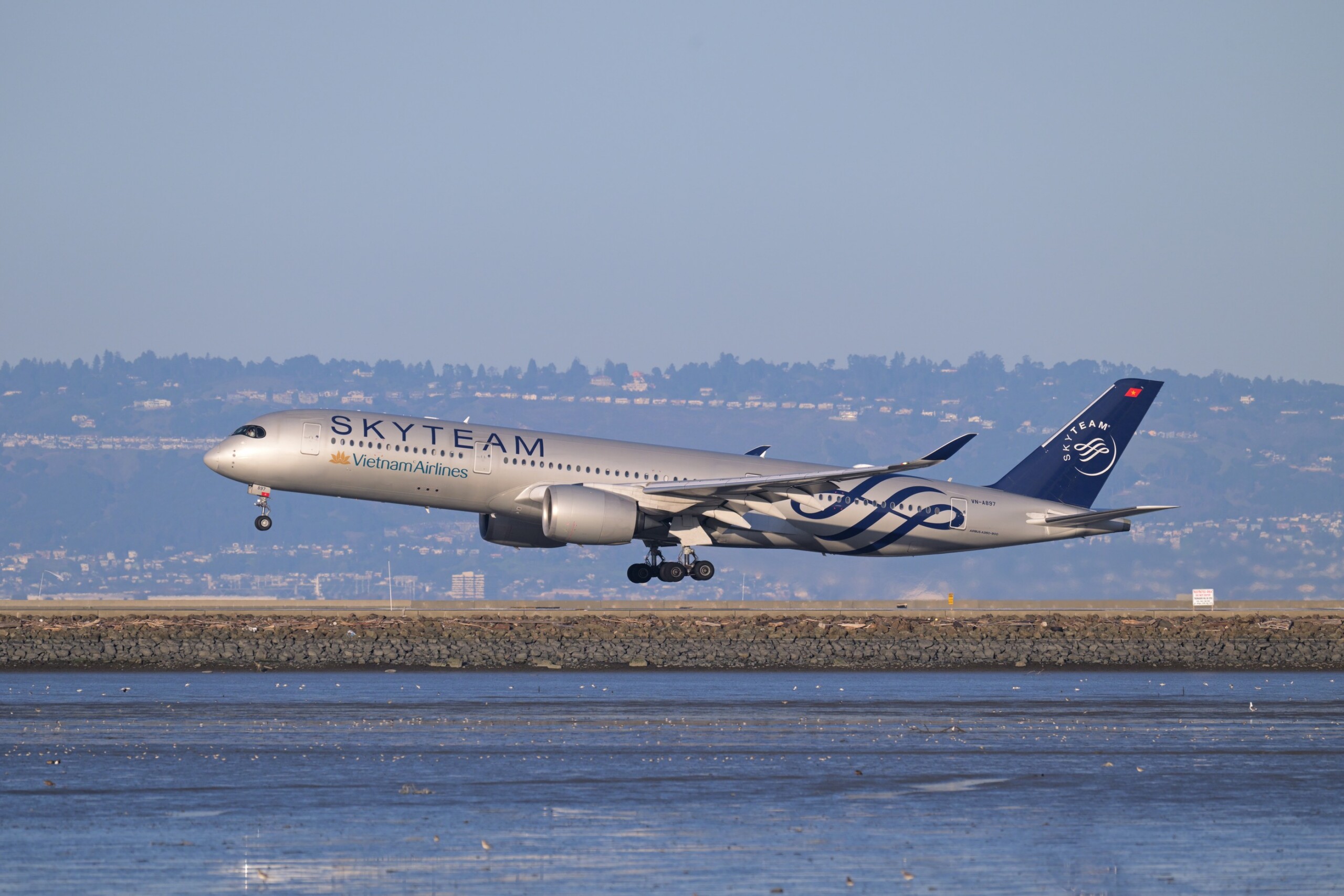
Vietnam Airlines and CAE Agree Wider Training and Simulator Cooperation
By Layla · 1 day ago
F AIR Welcomes 17 More Air Arabia Academy Cadets to Czech Training Base
By Layla · 1 day ago