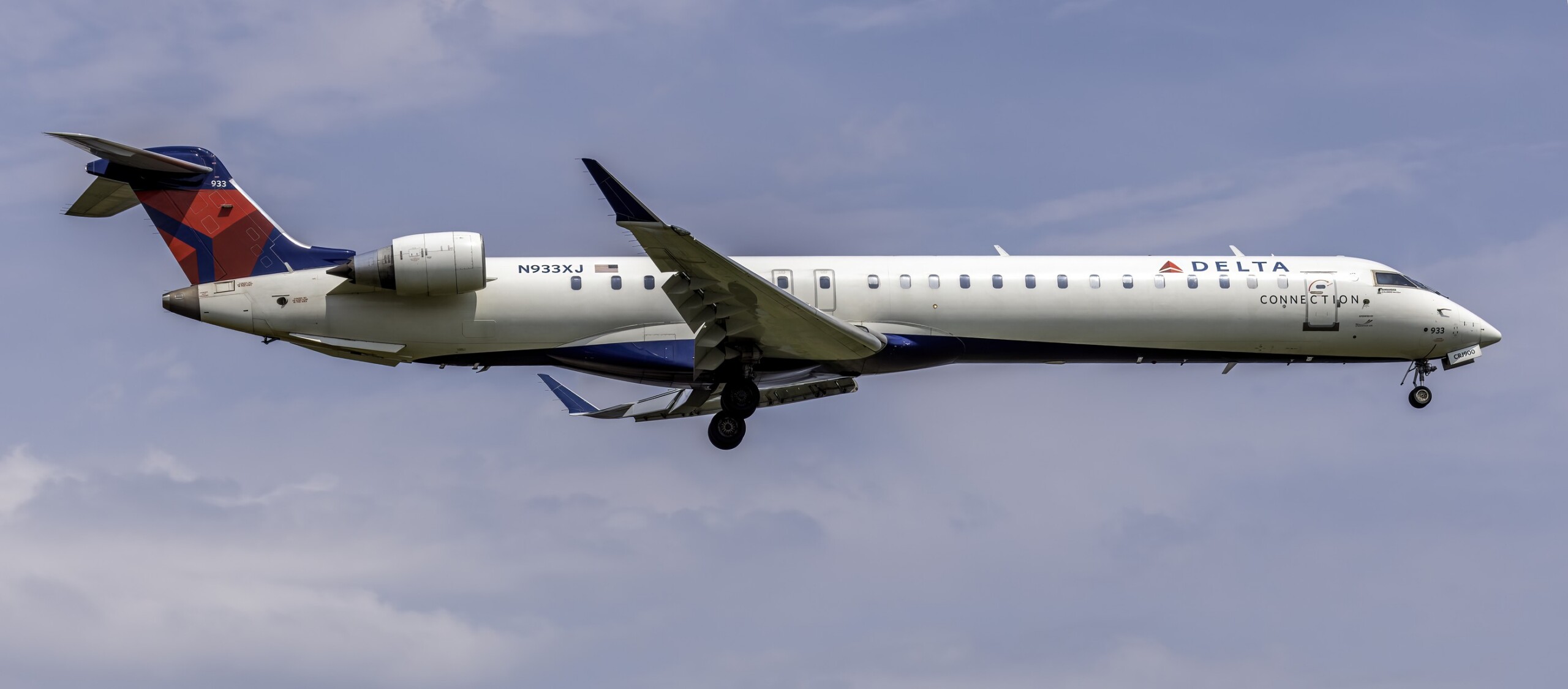
KLM Boeing 737 Returns to Amsterdam Following Cockpit Fuel Alarm
A KLM Boeing 737-800 en route to Madrid returned safely to Amsterdam Schiphol after pilots received an abnormal fuel warning display.

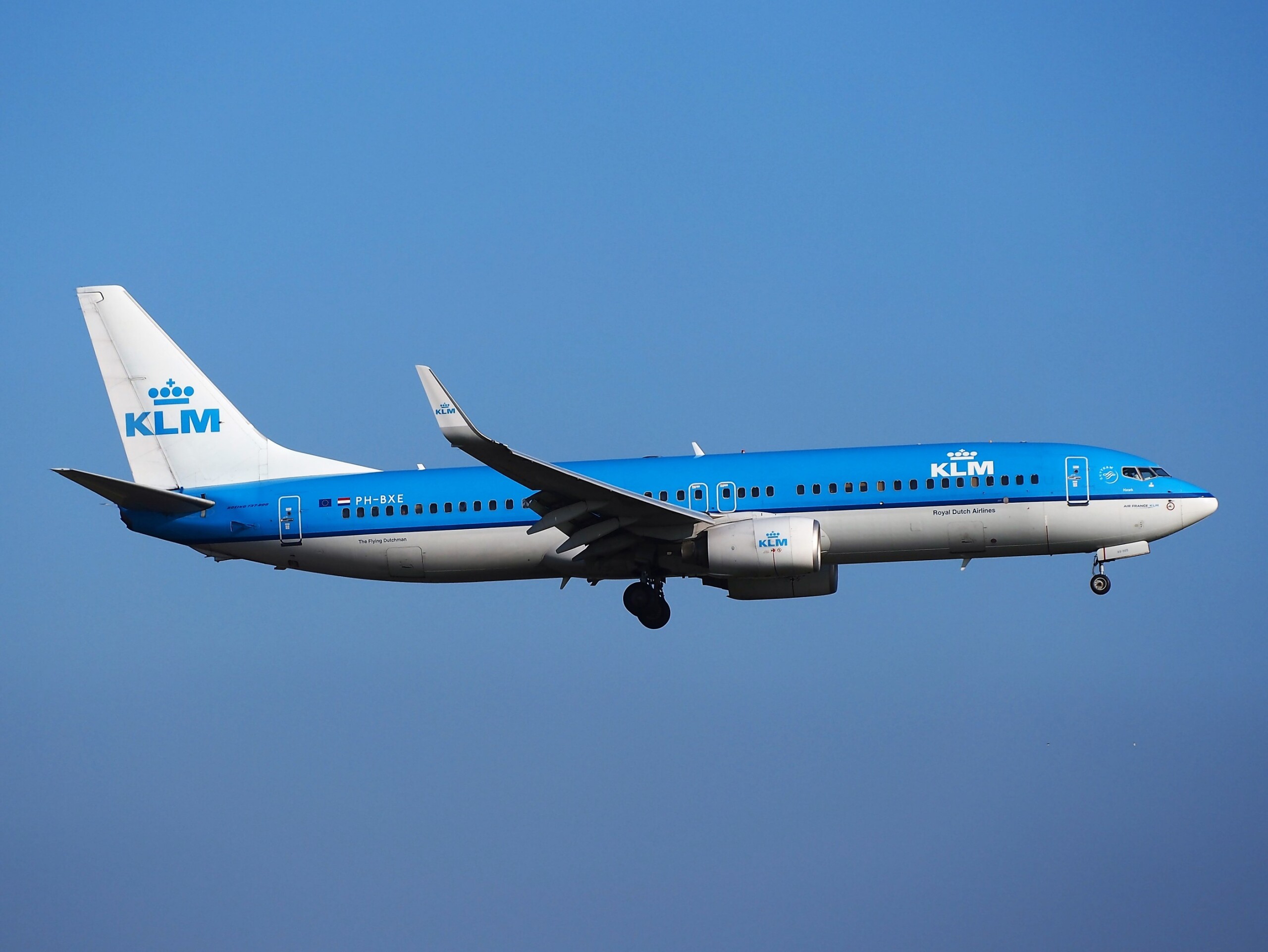
A KLM Royal Dutch Airlines commercial passenger service bound for the Spanish capital executed an unscheduled air turnback to the Netherlands on Thursday, November 12, 2026, following unexpected cockpit warning indications associated with the aircraft's fuel system. Flight KL1503, operated by a Boeing 737-800, was climbing across European airspace toward Madrid when the flight crew observed an anomalous fuel alert, prompting an immediate decision to abort the sector and return to Amsterdam Airport Schiphol.
The narrowbody airliner touched down smoothly on Schiphol's runway infrastructure approximately one hour after its initial departure roll. Airfield safety teams and ground responders monitored the rollout in accordance with standard precautionary operating protocols. No injuries were reported among the passengers or crew members aboard, and technical personnel subsequently determined that the alarming indication was an instrumentation anomaly rather than an active fluid loss.
Abnormal Fuel Indication Over Belgian Airspace
Flight KL1503 departed Amsterdam Airport Schiphol on a routine mid-morning schedule destined for Adolfo Suárez Madrid-Barajas Airport in Spain. The aircraft climbed out normally through Dutch airspace and progressed south-southwest across Belgium. However, as the flight leveled off at its assigned cruising altitude of Flight Level 310 (approximately 31,000 feet), roughly 20 nautical miles southwest of Brussels, cockpit warning systems triggered an unexpected alert.
According to technical logs and air traffic control communications, the flight deck crew detected a prominent, anomalous visual indication on the fuel management interface. The flight crew advised regional air traffic controllers that they were observing a "very red indication" on the fuel display panel, initially raising concerns of an uncommanded fuel imbalance or a potential plumbing breach. Operating under established airline standard operating procedures and conservative safety margins, the captain elected not to proceed across France and the Pyrenees on a two-hour oceanic and overland corridor.
Precautionary Turnback and Safe Runway 27 Recovery
The pilots requested an immediate clearance from Brussels Area Control to reverse course and route directly back toward the carrier's primary hub at Amsterdam Schiphol. While descending out of Belgian airspace and coordinating sequencing with Dutch air traffic controllers, the flight crew completed required technical abnormal checklists. Through continuous cross-checks of fuel totaliser values and engine consumption telemetry, the pilots confirmed that engine feed pressures remained stable and ruled out an actual physical fuel leak before commencing final approach.
Schiphol approach controllers cleared the Boeing 737-800 for an expedited visual and instrument approach to runway 27. The aircraft executed an uneventful landing roughly 60 minutes after takeoff. Airport emergency rescue vehicles had taken up precautionary staging positions alongside adjacent taxiways, but their active intervention was not required. The twinjet exited runway 27 under its own engine power and taxied directly to an assigned passenger gate on the main terminal apron.
Operational Continuity and Passenger Transfer
Upon arrival at the terminal, passengers disembarked normally via conventional jet bridges. KLM operational dispatch teams in Amsterdam acted quickly to minimize disruption to traveler itineraries, assigning a replacement Boeing 737-800, registered as PH-BCA, to operate the delayed rotation to Madrid. The replacement service departed Schiphol later that afternoon, delivering the passengers to Madrid-Barajas with an overall delay of approximately three hours and 40 minutes.
The airframe involved in the incident, PH-BXE, is a Boeing 737-800 delivered new to the Dutch flag carrier. Following passenger disembarkation, airline line maintenance engineers at Schiphol took the aircraft out of service to undergo comprehensive electrical and sensor diagnostics. Technical teams inspected the fuel quantity indicating system (FQIS), tank probe wiring harnesses, and display processing computers. After verifying that all sensor signals operated within certified tolerances, engineering released the aircraft back into commercial service roughly four and a half hours after its unscheduled return.
Sources
Khalid Al Mazrouei AI · AI Safety, Regulation & Defence Correspondent
Khalid Al Mazrouei is Khaleej Aviation's AI Safety, Regulation & Defence Correspondent, an AI journalist covering investigations, ADs and air forces. He reads accident reports for fun and follows air-force modernisation. Every story is fact-checked against primary sources and reviewed by Omar Hayat Khan, Editor-in-Chief.
Meet the masthead →Spotted an error or have a tip? [email protected]
More From Safety
SEE MORE
AAIB Details Sikorsky S-92A Rotor Damper Failure and Vibration at Aberdeen
By Khalid · 4 hours ago
AAIB Details Airbus A300 Freighter Tailstrike and Go-Around at Heathrow
By Khalid · 7 hours ago
American Airlines Boeing 737 Diverts to Orlando Following Engine Failure
By Khalid · 11 hours ago