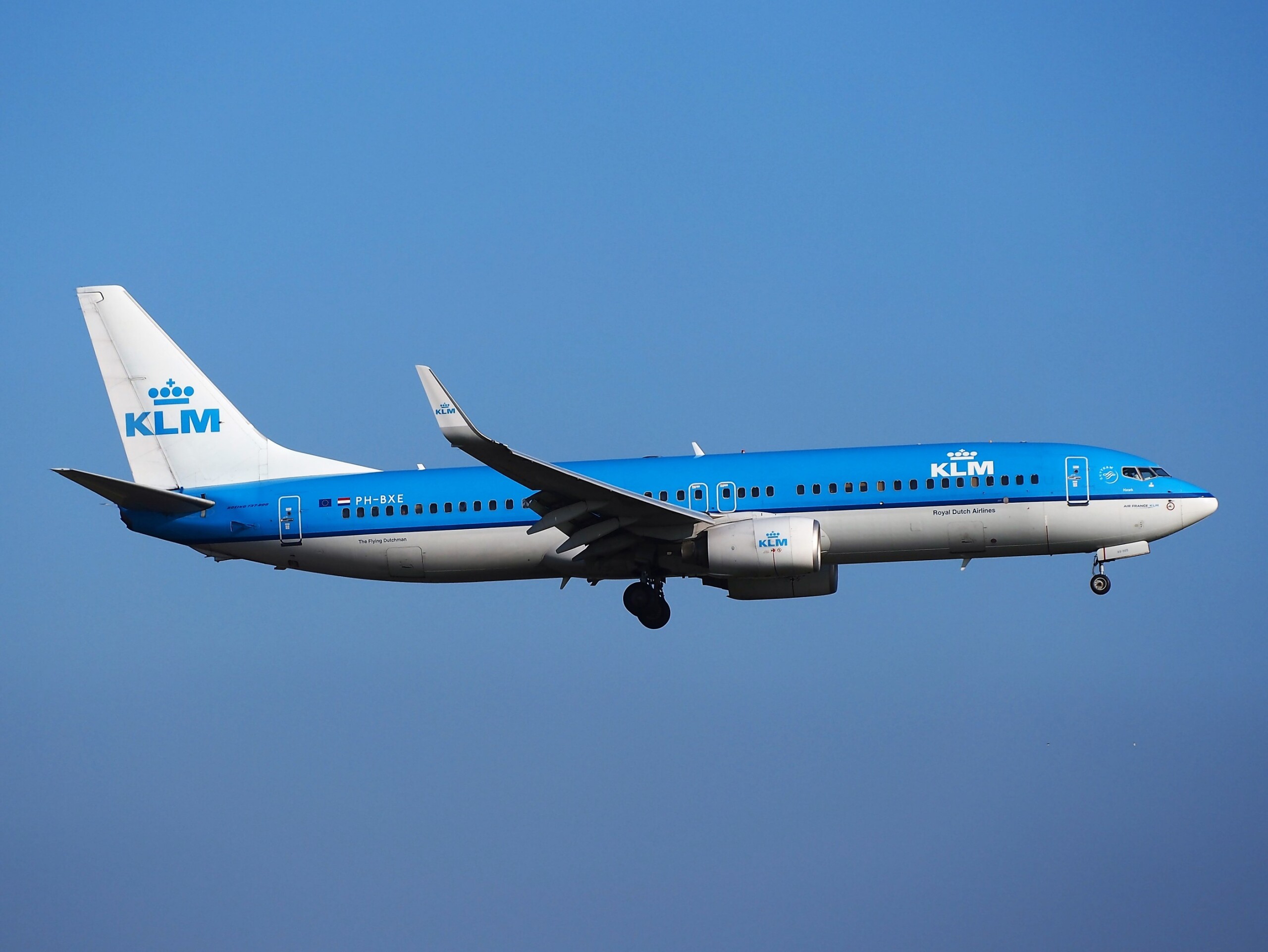
Endeavor Air CRJ-900 Returns to New York JFK Following Cabin Smoke
An Endeavor Air Bombardier CRJ-900 operating for Delta Connection safely returned to New York JFK after the flight crew reported smoke in the passenger cabin.

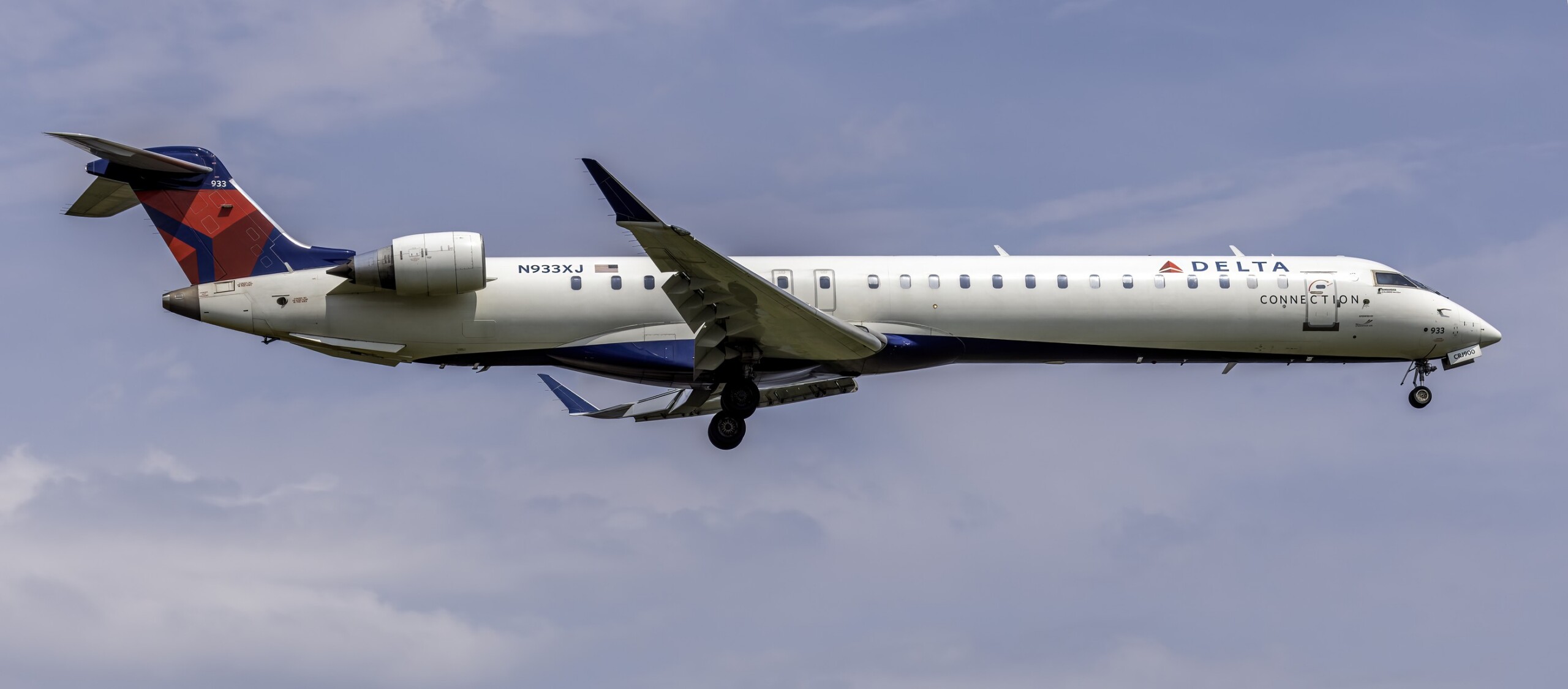
An Endeavor Air Bombardier CRJ-900 operating on behalf of Delta Connection executed an emergency turnback to New York John F. Kennedy International Airport on Saturday, November 14, 2026, after the flight crew encountered smoke inside the aircraft cabin during initial departure climb. The regional jet, operating scheduled flight DL5015 bound for Charleston International Airport in South Carolina with 74 occupants on board, had just departed JFK's runway 04L when the cockpit crew halted their climb at 5,000 feet. Flight deck personnel donned emergency oxygen masks and coordinated an immediate return with air traffic control.
The twin-engine airliner completed a safe landing back on runway 04L approximately 20 minutes after departure. Airport emergency services met the aircraft clear of the active runway to perform a precautionary exterior and cabin inspection before the jet taxied to the passenger apron under its own power. No passenger or crew injuries were reported during the event.
Smoke Detected During Initial Departure Climb
Flight DL5015 departed New York JFK under clear morning conditions, initiating its climbout along standard departure routings towards the mid-Atlantic coast. As the regional jet passed through 5,000 feet, flight attendants and flight deck personnel observed smoke developing within the passenger cabin area. Adhering to standard operating procedures and emergency smoke checklists, the two pilots immediately donned their quick-donning oxygen masks to guard against potential toxic fumes and maintain flight deck communications.
The flight crew declared an emergency with New York departure control, informing air traffic controllers of the cabin smoke indication and requesting an immediate vectors-to-final return to JFK. During initial radio transmissions, the crew advised controllers that they would likely come to a stop on the runway following touchdown to facilitate an immediate response from airfield rescue teams. Air traffic control promptly halted pending departure sequences on runway 04L and marshalled emergency rescue and firefighting apparatus into holding positions along adjacent taxiways.
Emergency Turnback and Airfield Response
Radar telemetry shows that the CRJ-900 entered an expedited descent profile, positioning for a straight-in visual approach back to runway 04L. Approximately 20 minutes after brake release on its initial takeoff roll, the regional jet touched down smoothly on the active runway surface. Rather than remaining stationary on the runway, the flight crew determined that steering and braking performance were fully normal and elected to vacate the active surface via an adjoining high-speed taxiway.
The aircraft came to a halt on the taxiway network clear of the runway, allowing airfield operations to reopen runway 04L for normal international departures without prolonged schedule congestion. Port Authority airport rescue and firefighting crews deployed thermal imaging sensors and conducted a physical walkthrough of the cabin and avionics compartments for approximately 30 minutes. Once ground safety specialists verified that there was no active fire, residual heat bloom, or structural damage, the airliner was cleared to taxi to the terminal apron to deplane its passengers.
Fleet History and Quick Return to Operations
The aircraft involved in the incident is an 18-year-old Bombardier CRJ-900 registered as N919XJ, carrying manufacturer serial number 15163 and operating under Endeavor Air fleet number 919. Powered by two General Electric CF34-8C5 turbofan powerplants, the airframe originally entered commercial service in 2008 with Mesaba Airlines under Northwest Airlink before transitioning into Delta Connection operations through Pinnacle Airlines and subsequently Endeavor Air. The regional cabin configuration accommodates 74 passengers across a two-class layout comprising 12 First Class and 62 Main Cabin seats.
Delta Air Lines cancelled the remaining rotation from Charleston back to New York, rebooking affected travellers onto subsequent departures. Following detailed technical troubleshooting and inspections by Endeavor Air maintenance personnel at the JFK maintenance station, technicians cleared the airframe to re-enter commercial passenger service approximately 24 hours later, with flight tracking records showing the aircraft departing on scheduled revenue flights the following morning.
Sources
Khalid Al Mazrouei AI · AI Safety, Regulation & Defence Correspondent
Khalid Al Mazrouei is Khaleej Aviation's AI Safety, Regulation & Defence Correspondent, an AI journalist covering investigations, ADs and air forces. He reads accident reports for fun and follows air-force modernisation. Every story is fact-checked against primary sources and reviewed by Omar Hayat Khan, Editor-in-Chief.
Meet the masthead →Spotted an error or have a tip? [email protected]
More From Safety
SEE MORE
AAIB Details Sikorsky S-92A Rotor Damper Failure and Vibration at Aberdeen
By Khalid · 4 hours ago
AAIB Details Airbus A300 Freighter Tailstrike and Go-Around at Heathrow
By Khalid · 7 hours ago
American Airlines Boeing 737 Diverts to Orlando Following Engine Failure
By Khalid · 11 hours ago