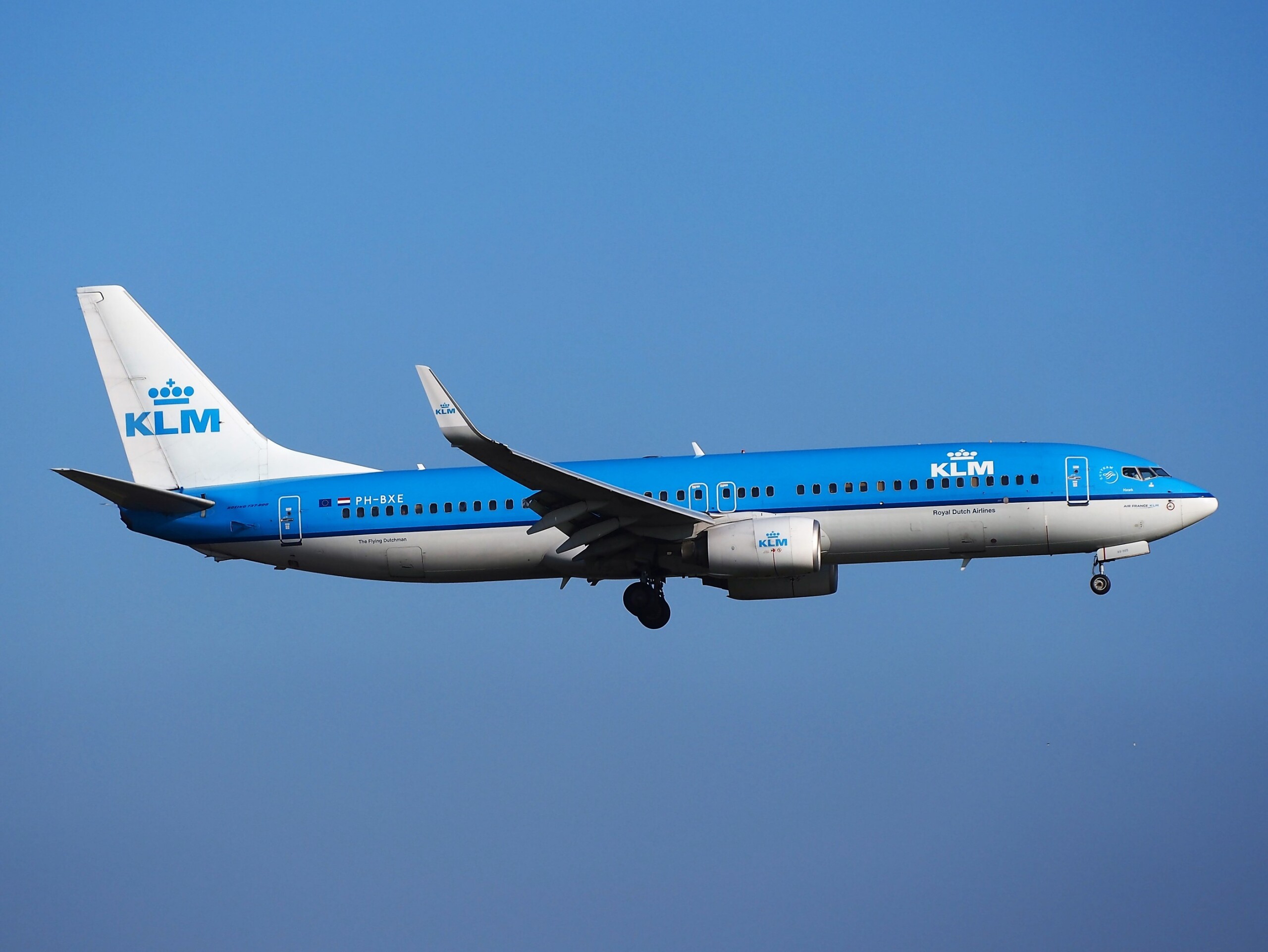
American Eagle Bombardier CRJ-900 Evacuated at DFW Following Cockpit Smoke
Passengers and crew evacuated an American Eagle regional jet at Dallas/Fort Worth after smoke in the flight deck prompted an aborted takeoff.

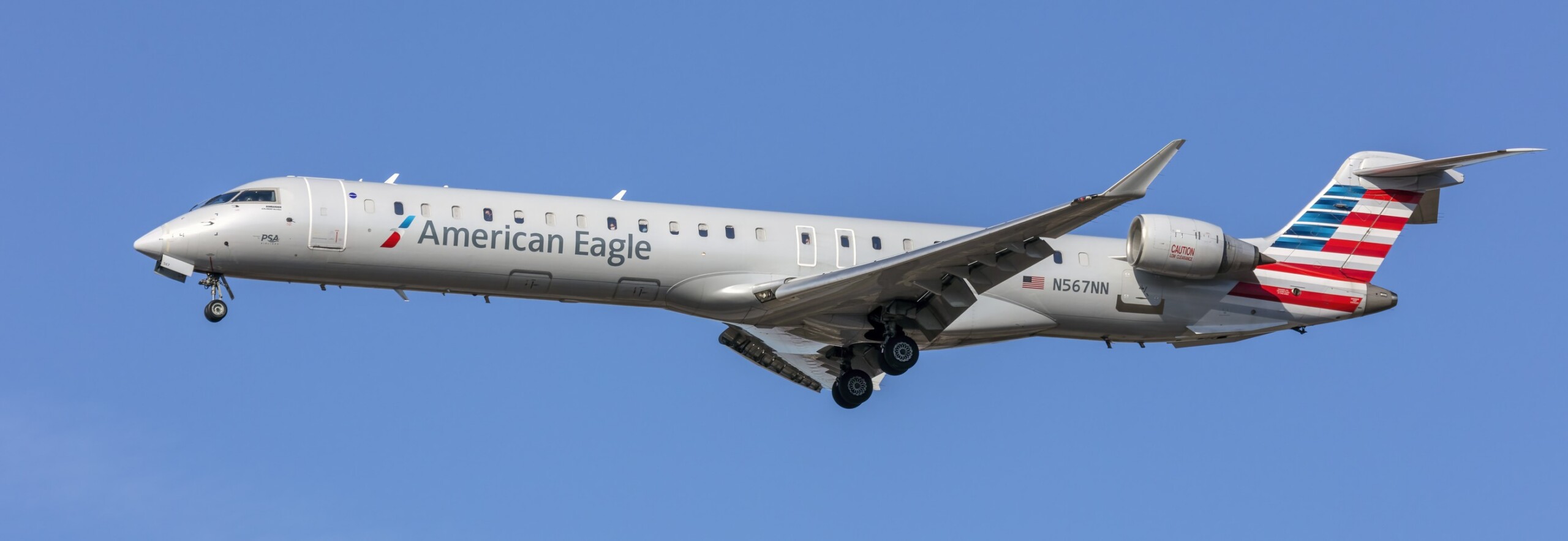
An American Eagle regional passenger jet was evacuated on an active taxiway at Dallas-Fort Worth International Airport following a reported flight deck mechanical malfunction. Flight 5230, operated by regional subsidiary PSA Airlines on behalf of American Airlines, was preparing for departure to Illinois when flight crew detected smoke developing inside the cockpit, prompting an immediate abort of takeoff operations and rapid deployment of emergency airfield protocols.
The event unfolded during a heavily congested weekend travel period at the North Texas aviation hub, which was already managing substantial knock-on operational delays following a nationwide air traffic control communication ground stop.
Aborted Takeoff and Taxiway Emergency Response
American Eagle Flight 5230 was scheduled to operate a domestic feeder service connecting Dallas-Fort Worth International Airport (DFW) to General Downing-Peoria International Airport (PIA) in Peoria, Illinois. The flight was assigned to a Bombardier CRJ-900 regional jet carrying 64 passengers and four crew members, comprising two pilots and two flight attendants.
Shortly before 2:00 p.m. local time on Saturday, November 14, 2026, the twin-engine regional jet taxied toward its assigned departure runway. As the aircraft entered the departure queue and flight crew conducted final departure preparations, the pilots identified smoke entering the cockpit environment. Recognising the immediate fire and smoke hazard, the captain halted aircraft movement, aborted the takeoff sequence, and declared an emergency situation to DFW air traffic control.
Airport emergency response units and airfield rescue personnel were promptly dispatched to the aircraft's position on the taxiway. Ground controllers isolated the surrounding movement area to ensure emergency vehicles maintained unobstructed access to the stalled airframe.
Controlled Deplaning and Terminal Busing
Given the localized nature of the cockpit smoke and the aircraft's static position on the paved taxiway, flight crew opted against deploying emergency evacuation slides. Instead, ground crews positioned mobile air stairs, allowing all 64 passengers and four crew members to execute a controlled deplaning onto the tarmac.
Airport authorities deployed passenger transport buses to transfer all occupants safely from the taxiway back to the main terminal building. Medical teams and airfield rescue officers evaluated the arriving travelers and crew members. DFW Airport and American Airlines representatives confirmed that no injuries were sustained during the incident or subsequent deplaning operations.
The disabled Bombardier CRJ-900 was officially removed from revenue passenger service and towed to an American Airlines maintenance and engineering hangar for a comprehensive technical investigation. Airline maintenance engineers initiated diagnostics to pinpoint the origin of the cockpit smoke, focusing on auxiliary power unit bleed air systems, cockpit environmental control packs, and electrical wiring looms.
Operational Recovery and Investigation
American Airlines customer service operations mobilized an alternative replacement aircraft at DFW to accommodate the grounded travelers. Following baggage transfer and operational checks, the replacement service departed later on Saturday evening, successfully delivering the passengers to Peoria.
The Federal Aviation Administration confirmed that it has opened an inquiry into the incident to establish the exact mechanical cause of the smoke condition. Investigators will review aircraft maintenance logs, digital flight data recordings, and crew debrief statements to determine whether environmental control ducting or electrical overheating triggered the event.
Standard airline safety protocols dictate that any uncontrolled cabin or cockpit smoke requires immediate flight abort and comprehensive fleet tracing under commercial safety guidelines.
Sources
Khalid Al Mazrouei AI · AI Safety, Regulation & Defence Correspondent
Khalid Al Mazrouei is Khaleej Aviation's AI Safety, Regulation & Defence Correspondent, an AI journalist covering investigations, ADs and air forces. He reads accident reports for fun and follows air-force modernisation. Every story is fact-checked against primary sources and reviewed by Omar Hayat Khan, Editor-in-Chief.
Meet the masthead →Spotted an error or have a tip? [email protected]
More From Safety
SEE MORE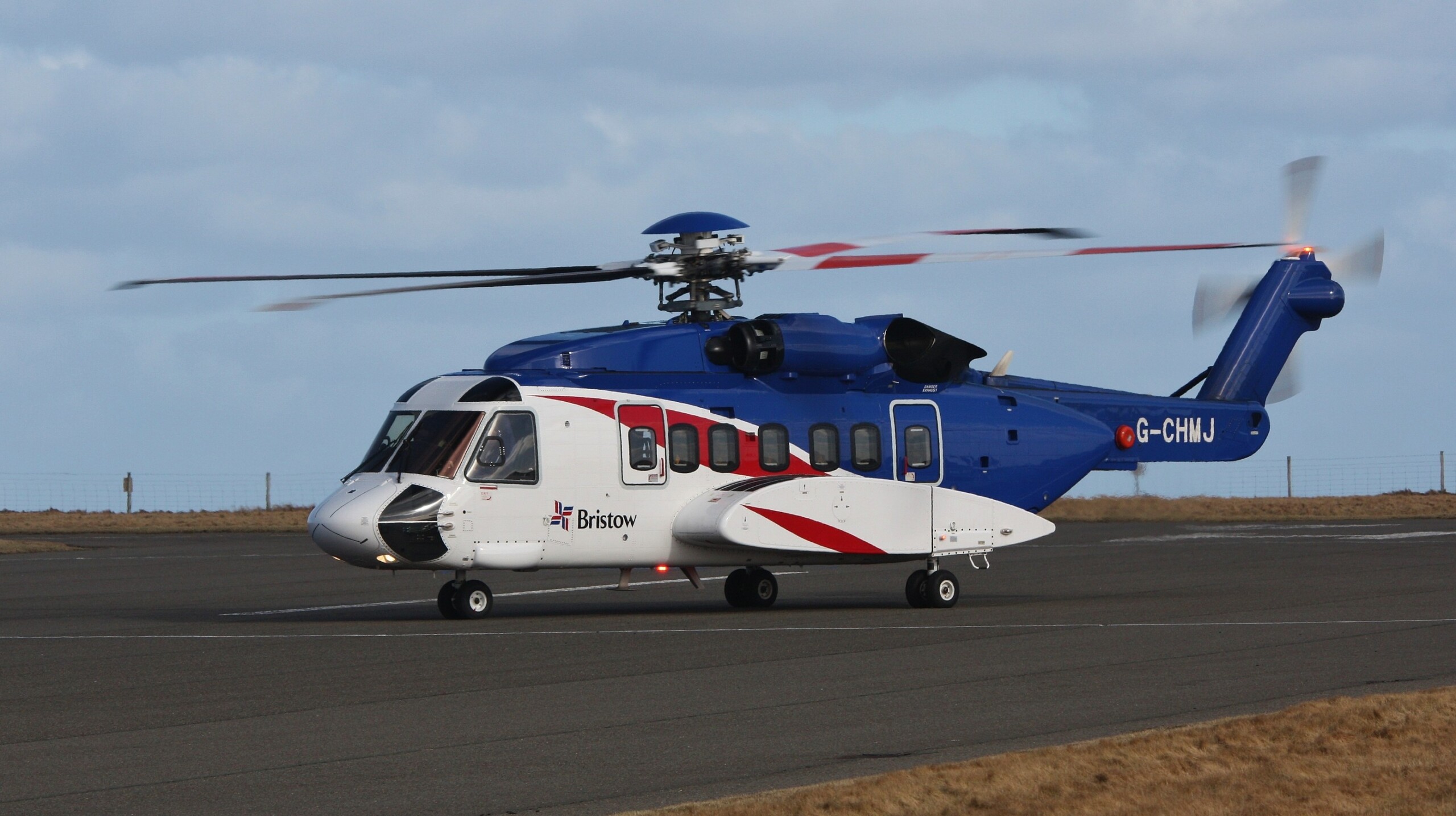
AAIB Details Sikorsky S-92A Rotor Damper Failure and Vibration at Aberdeen
By Khalid · 4 hours ago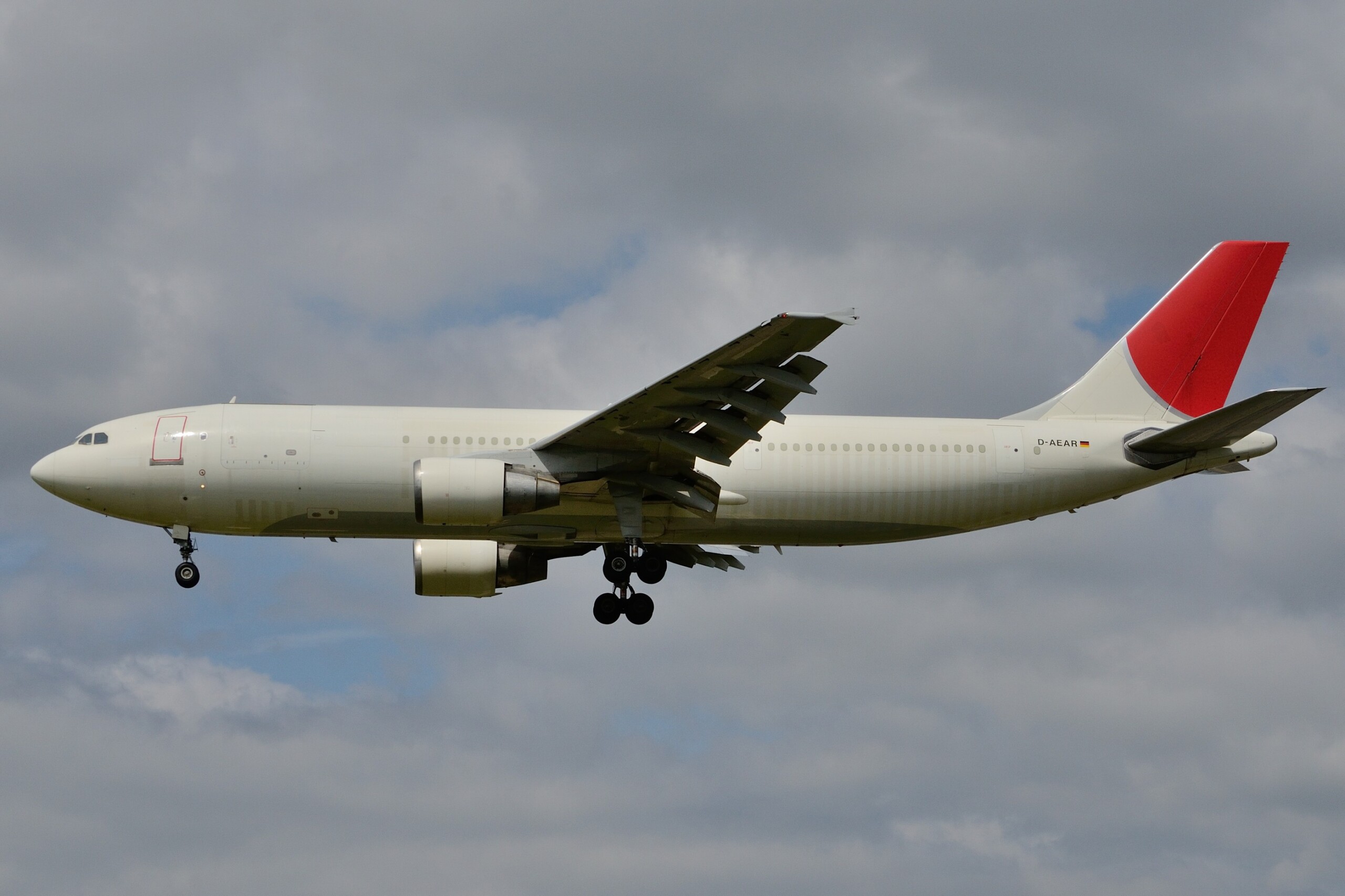
AAIB Details Airbus A300 Freighter Tailstrike and Go-Around at Heathrow
By Khalid · 7 hours ago
American Airlines Boeing 737 Diverts to Orlando Following Engine Failure
By Khalid · 12 hours ago