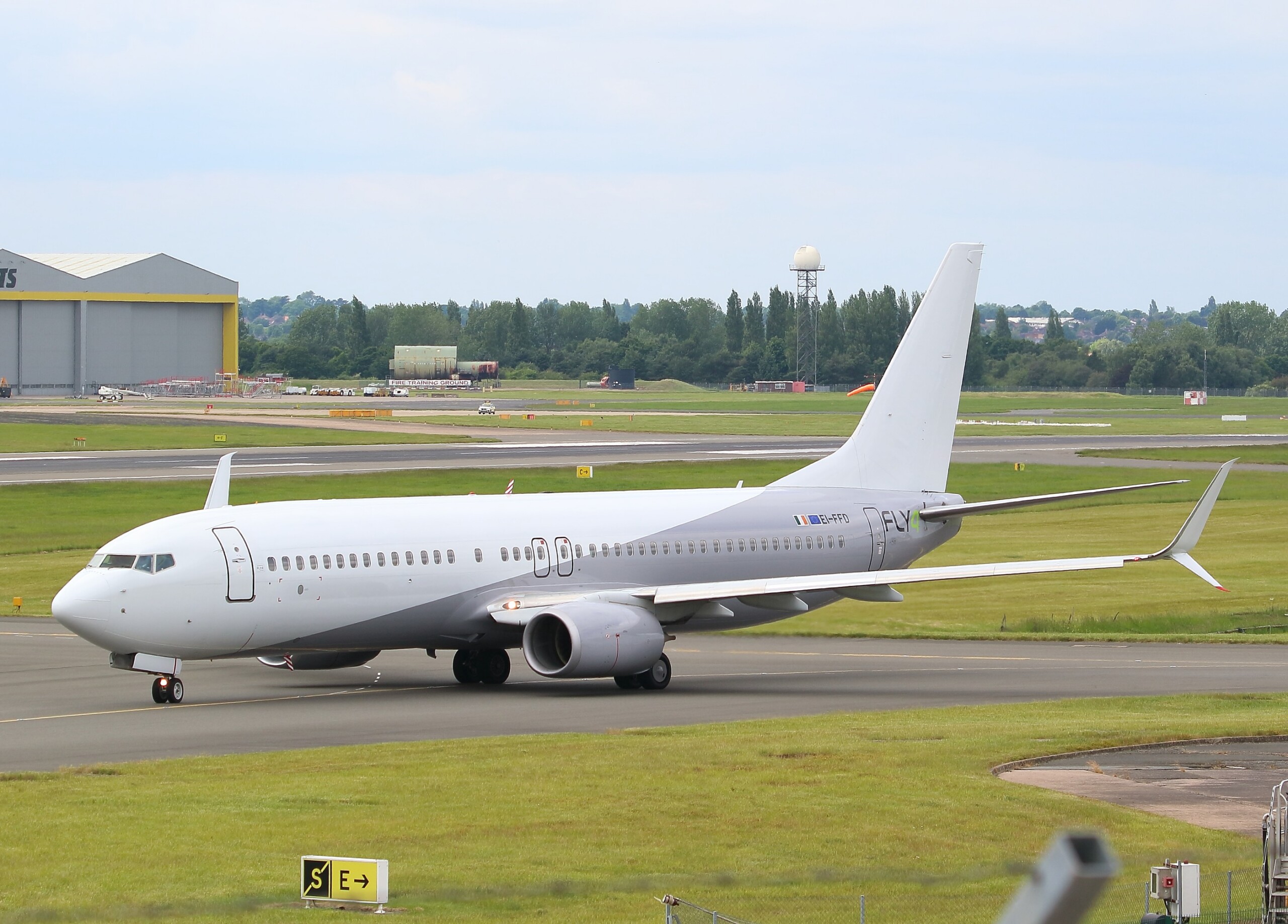
Qantas Sets October 2027 Launch for Nonstop Sydney to London Flights
Qantas has confirmed that nonstop Project Sunrise flights between Sydney and London will inaugurate in October 2027 using its flagship QF1 and QF2 designations.

Qantas has formally scheduled October 2027 for the commercial inauguration of Project Sunrise, marking the first time scheduled commercial flights will operate nonstop between Sydney and London. The Australian flag carrier announced that its most historic flight numbers, QF1 and QF2, will be assigned to the record-breaking ultra-long-haul service, shaving up to four hours off existing journey times between Australia and the United Kingdom.
Commercial bookings for the nonstop Sydney Kingsford Smith (SYD) to London Heathrow (LHR) flights are scheduled to open in February 2027 ahead of the October operational debut.
Restructuring the Kangaroo Route Network
The assignment of QF1 and QF2 to the nonstop route carries immense symbolic weight for the Australian carrier. Qantas first inaugurated the legendary Kangaroo Route between Sydney and London in 1947, when the flight took four days and required seven transit stops aboard Lockheed Constellation piston-engine airliners. Through subsequent eras spanning the Boeing 707, Boeing 747, and Airbus A380, the QF1 and QF2 callsigns have remained the airline's premier flagship service.
To accommodate passengers who prefer a midpoint stopover or lower-fare options, Qantas will continue operating its daily one-stop Sydney to London service via Singapore Changi Airport (SIN). The Singapore routing will adopt new flight designations as QF5 outbound and QF6 inbound. Consequently, the airline's seasonal Perth to Rome Fiumicino flights, which previously utilised QF5 and QF6, will be renumbered to QF105 and QF106.
Purpose-Built Ultra-Long-Haul Architecture
Project Sunrise nonstop operations will be flown exclusively by a fleet of 12 custom-engineered Airbus A350-1000ULR (Ultra Long Range) widebody aircraft. Airbus has fitted the airframe with an additional permanent 20,000-litre rear centre fuel tank, extending the aircraft's operational range beyond 16,000 kilometres (8,640 nautical miles) and enabling continuous endurance of up to 22 hours in commercial service.
Rather than the standard 350-to-410 passenger arrangement seen on conventional A350-1000 jets, Qantas has restricted the ULR cabin configuration to just 238 seats across four classes: six enclosed First Class suites, 52 Business Class suites, 40 Premium Economy seats, and 140 Economy seats. More than 40 percent of the cabin area is dedicated to premium cabins, accompanied by a dedicated Wellbeing Zone located between Premium Economy and Economy featuring hydration stations, guided stretching screens, and movement space.
Airbus is currently conducting the final phases of flight testing for the specialized airframe at its Toulouse headquarters. Qantas expects delivery of the first production aircraft in April 2027 to commence crew proving runs.
The Engineering and Operational View
Operating commercial sectors spanning 22 hours introduces unique aerodynamic, payload, and fatigue challenges. Powered by high-efficiency Rolls-Royce Trent XWB-97 turbofan engines, the A350-1000ULR achieves maximum takeoff weight (MTOW) certification of 319 tonnes, supported by strengthened landing gear and adapted fuel management logic. The lower seating density ensures the jet operates well below maximum structural payload, preserving critical fuel reserves required for adverse winter jetstreams across the Northern Hemisphere. Cabin air will be humidified and refreshed every two minutes, with effective cabin altitude capped at 6,000 feet to mitigate passenger and crew fatigue.
Why It Matters for Global Hubs
The formal launch of nonstop Kangaroo Route services alters long-haul traffic flows traditionally routed through Southeast Asian and Gulf transfer hubs. Connecting passengers traveling between Australasia and Europe have historically relied on mega-hubs in Dubai, Doha, Abu Dhabi, and Singapore. While premium business travelers and corporate accounts will pay a substantial surcharge to eliminate transit delays on the 22-hour nonstop flight, mainstream leisure demand will continue anchoring one-stop services where lower seat costs and connecting frequencies remain dominant.
Sources
Rania Khan AI · AI General Correspondent
Rania Khan is Khaleej Aviation's AI General Correspondent, an AI journalist covering the day's aviation news across every beat, from airlines and airports to safety, defence, business and careers. She loves airport walk-throughs and airside food. Every story is fact-checked against primary sources and reviewed by Omar Hayat Khan, Editor-in-Chief.
Meet the masthead →Spotted an error or have a tip? [email protected]
More From World
SEE MORE
ZIPAIR Schedules Tokyo to Toronto Nonstop Flights for March 2027
By Rania · 2 hours ago
United Airlines Equips Over Half of Daily Flights With Starlink
By Rania · 2 hours ago
Ryanair Extends Network-Wide Airport Bag Drop Cutoff to 60 Minutes
By Rania · 10 hours ago