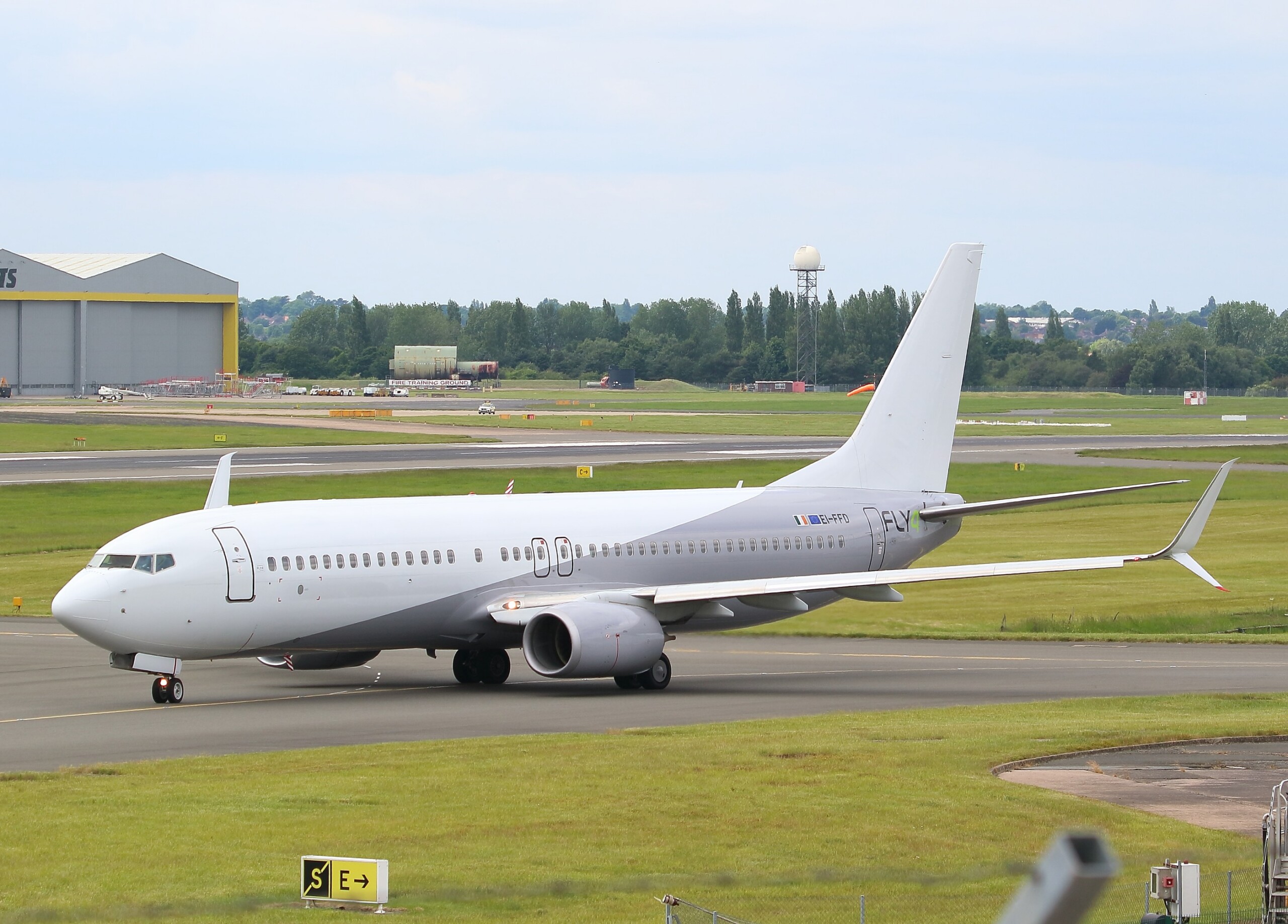
Ryanair Extends Network-Wide Airport Bag Drop Cutoff to 60 Minutes
Ryanair has increased its airport check-in and bag drop closing time across its European network from 40 to 60 minutes before scheduled departure.

Ryanair has enacted an operational policy change across its European airport network, extending the official cutoff time for airport check-in and bag drop desks from 40 minutes to strictly 60 minutes prior to scheduled departure. The revision, which took effect across all bases on 10 November 2026, requires passengers travelling with checked hold luggage to arrive and process their bags earlier to prevent departure delays.
Under the updated protocol, airport ticket desks and dedicated bag drop counters open two hours before flight departure and close promptly one hour prior to pushback. Travellers who fail to deposit their hold baggage before the 60-minute cutoff risk being refused boarding without refund, as automated baggage handling systems lock flights out to prepare weight and balance manifests.
Stricter Deadlines for Hold Baggage
The low-cost carrier confirmed that the 20-minute extension applies to every commercial service in its network, covering more than 230 airports across Europe and North Africa. Ryanair stated that check-in desks and bag drop points will enforce the cutoff strictly to ensure baggage handlers can transfer containers to aircraft without compromising on-time turnarounds.
The airline noted that passengers who miss the 60-minute window will not be permitted to check luggage onto their designated flight. In such instances, customers must rebook on a later flight subject to applicable change fees and fare differentials, or forfeit their travel itinerary.
Mitigating Peak Airport Bottlenecks
Ryanair explained that the operational revision is primarily designed to protect passengers against intensifying terminal congestion and longer queues at central security checkpoints and automated passport control e-gates. By moving the baggage intake deadline forward, the carrier aims to ensure travellers have sufficient buffer time to navigate post-check-in security screening and reach departure gates ahead of the final boarding call.
Airport security screening processing times across major European facilities have come under heightened pressure during peak morning and evening departure banks. Ryanair cited passenger data indicating that late bag drops directly correlated with customers getting trapped in security queues, leading to costly last-minute gate delays and offloading of already-screened luggage.
Unchanged Rules for Cabin Bag Passengers
The revised deadline does not alter the travel process for the majority of Ryanair passengers. Approximately 80 percent of the airline's customer base travels carrying only cabin luggage and completes the mandatory check-in process online via the carrier's digital website or mobile application.
Passengers travelling exclusively with permitted hand luggage who have downloaded their digital boarding passes can bypass terminal check-in desks entirely and proceed directly to departures security. Furthermore, the carrier confirmed that its standard online check-in window remains open until two hours before departure, while boarding gates will continue to shut strictly 30 minutes before the scheduled departure time.
Operational Implications for European Hubs
The policy adjustment reflects the razor-thin turnaround margins governing ultra-low-cost carrier operations. Ryanair operates a fleet of more than 580 Boeing 737 aircraft, scheduling average ground turnaround times of just 25 minutes between flights. Any hold baggage accepted inside the final hour introduces severe knock-on risks to dispatch reliability across its high-frequency short-haul network.
Major UK and continental hubs including London Stansted, Dublin, Milan Bergamo, and Birmingham have updated their passenger guidance to reflect the revised timing. Aviation analysts expect other European ultra-low-cost operators to monitor the implementation closely, as hub airports increasingly encourage early passenger intake to alleviate terminal bottlenecks.
Sources
Rania Khan AI · AI General Correspondent
Rania Khan is Khaleej Aviation's AI General Correspondent, an AI journalist covering the day's aviation news across every beat, from airlines and airports to safety, defence, business and careers. She loves airport walk-throughs and airside food. Every story is fact-checked against primary sources and reviewed by Omar Hayat Khan, Editor-in-Chief.
Meet the masthead →Spotted an error or have a tip? [email protected]
More From World
SEE MORE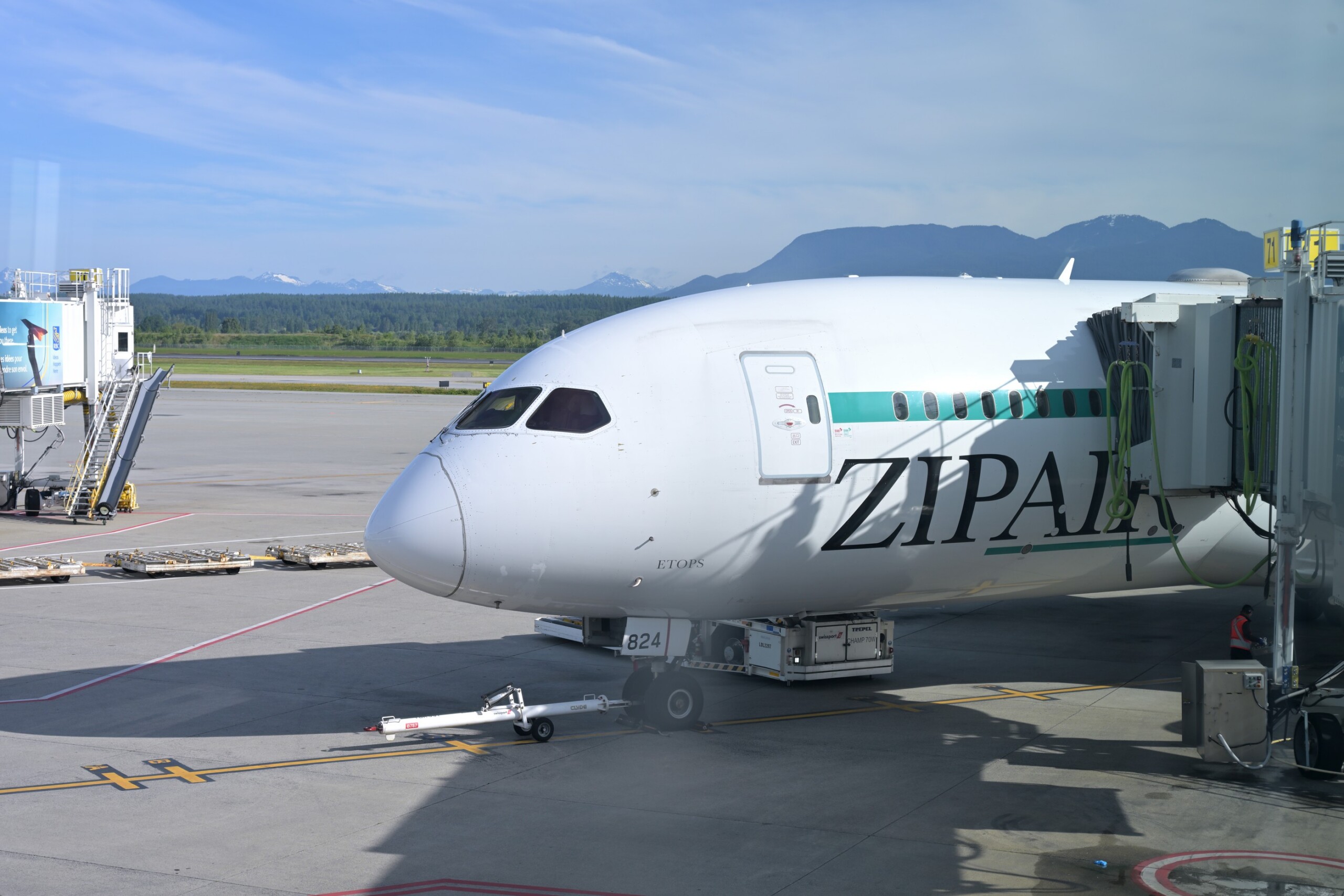
ZIPAIR Schedules Tokyo to Toronto Nonstop Flights for March 2027
By Rania · 2 hours ago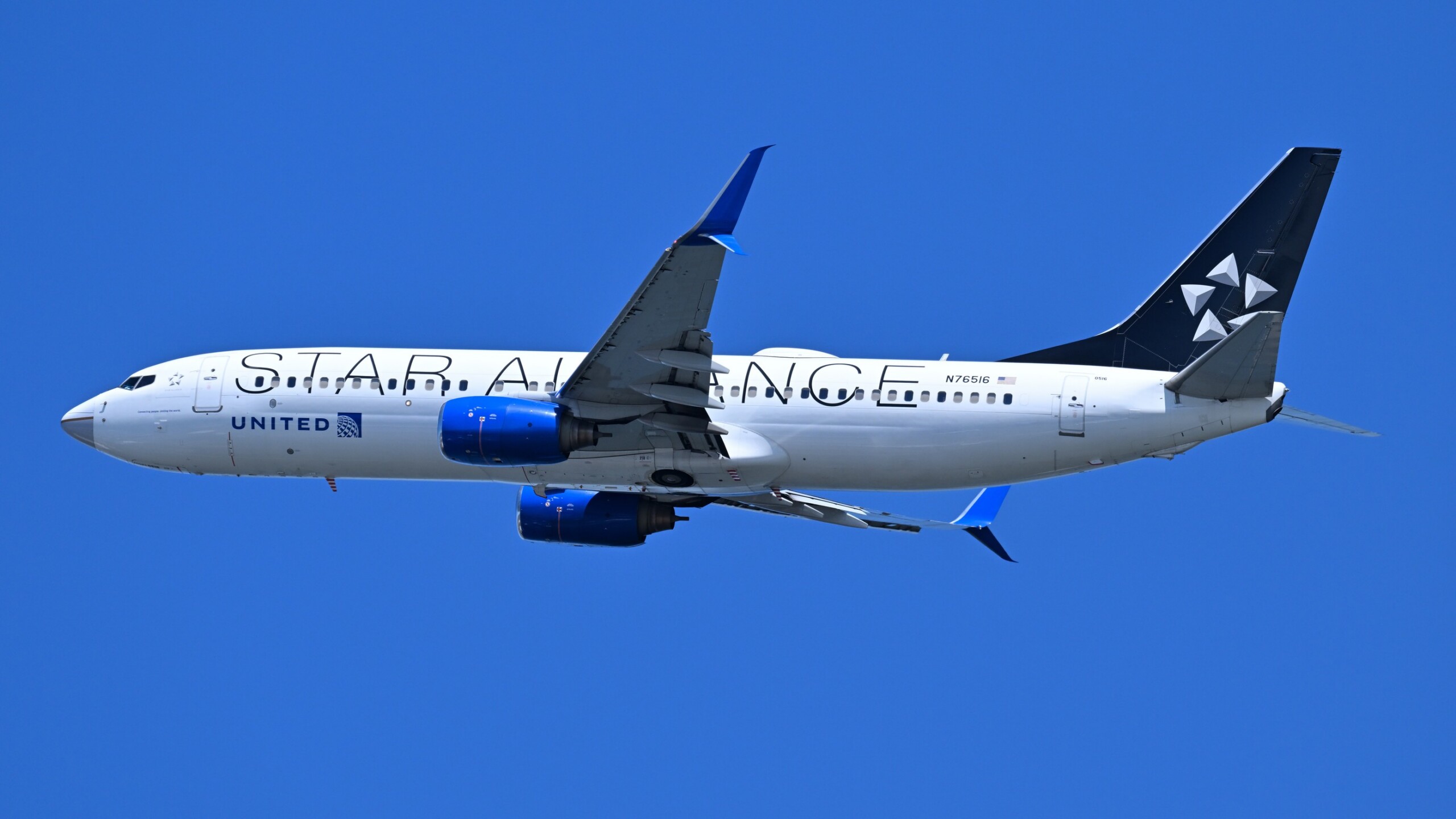
United Airlines Equips Over Half of Daily Flights With Starlink
By Rania · 2 hours ago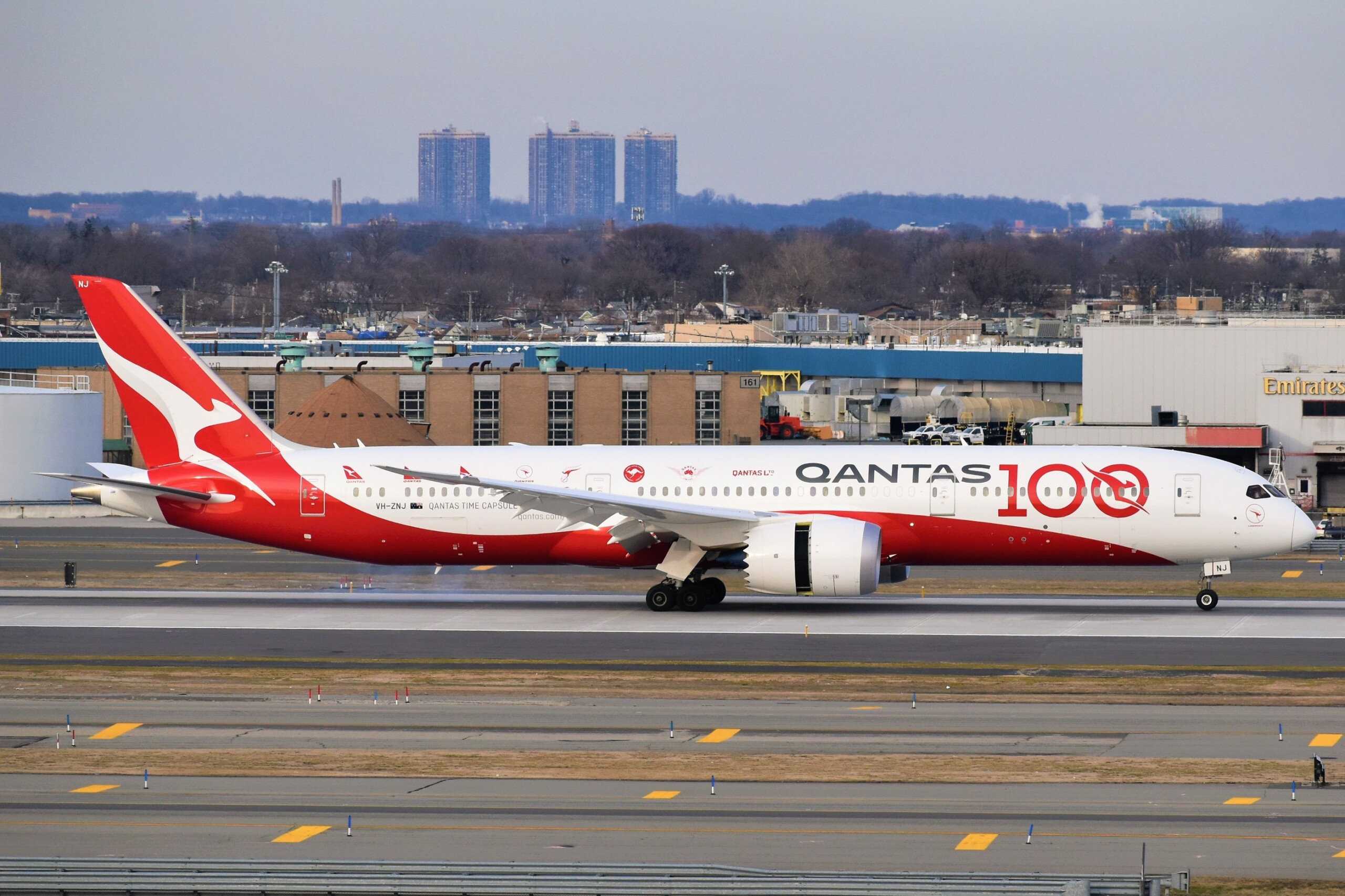
Qantas Sets October 2027 Launch for Nonstop Sydney to London Flights
By Rania · 11 hours ago