US Air Force and Northrop Grumman Confirm B-21 Raider First Weapon Release
The US Air Force and Northrop Grumman have confirmed the B-21 Raider stealth bomber successfully conducted its first conventional weapons release flight test from Edwards Air Force Base.

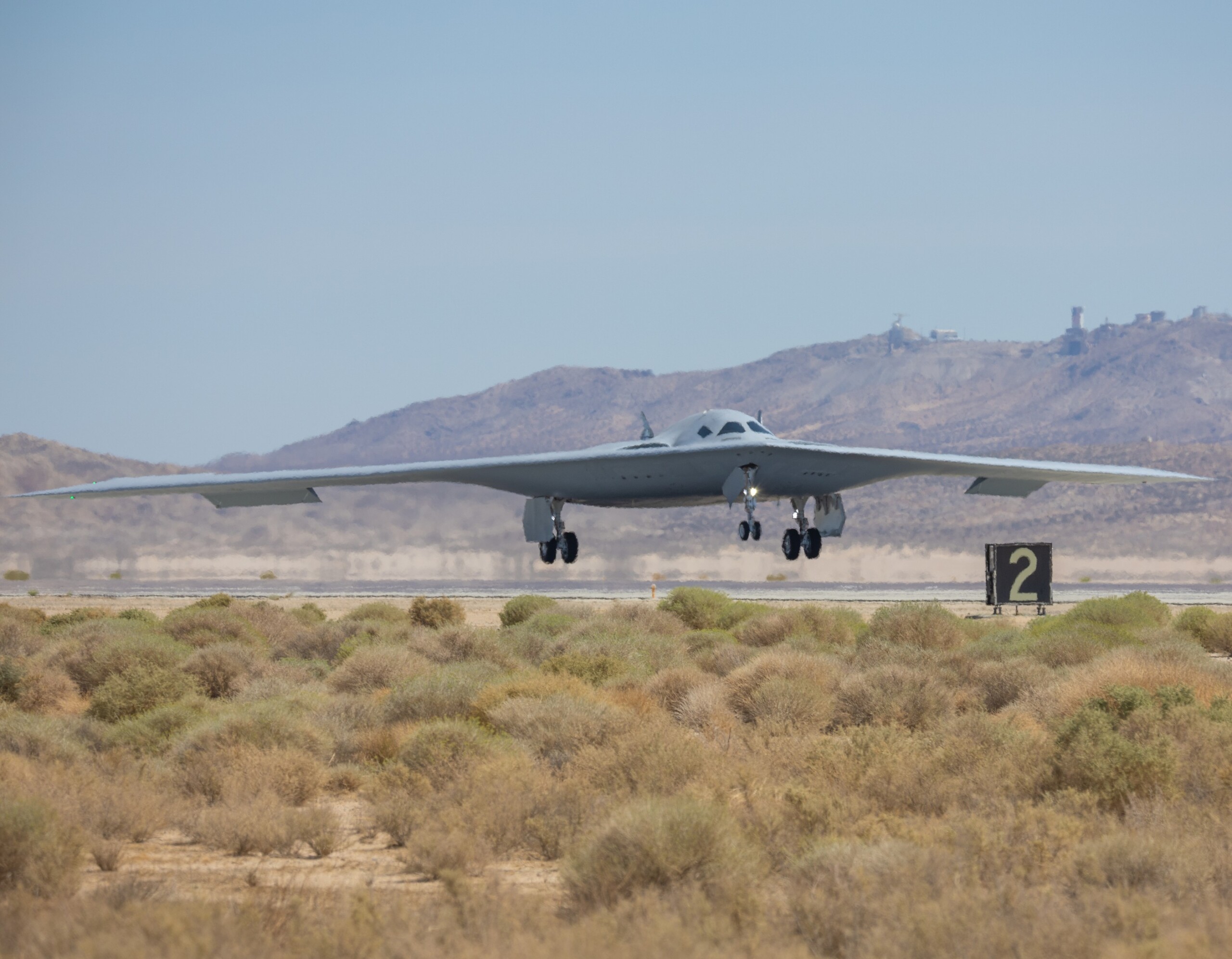
The United States Air Force and prime contractor Northrop Grumman have confirmed that the B-21 Raider stealth bomber successfully conducted its first conventional weapons release flight test. The milestone represents a critical technical threshold for the sixth-generation combat aircraft, validating its transition from initial aerodynamic airworthiness trials into a functional operational weapons delivery platform.
The flight test was conducted over military testing ranges operated by Edwards Air Force Base in California. While defense officials withheld the exact date and weapon designation for operational security, the Air Force confirmed that a conventional munition cleanly separated from the bomber's internal weapons bay during a dedicated test sortie.
Transitioning From Flight Envelope Expansion to Combat Employment
Weapons release represents one of the most demanding developmental phases for low-observable combat aircraft. Because stealth bombers must carry all ordnance internally within enclosed fuselage bays to preserve their minimal radar cross-sections, opening weapons bay doors at high subsonic speeds generates severe acoustic turbulence and aerodynamic flow disturbances.
Engineers must verify that munitions release cleanly without contacting the airframe or being buffeted back toward the bay doors by boundary-layer airflow. Northrop Grumman confirmed that the physical release demonstrated the aircraft's ability to safely carry and employ combat power, illustrating steady program progress toward full warfighting capability.
The achievement coincides with the expanded flight test fleet operating out of the Air Force Test Center at Edwards. While the first flight-test aircraft, nicknamed Cerberus, focused primarily on flight envelope expansion and handling qualities, the second prototype delivered to Edwards in September 2025 was outfitted specifically with mission systems and avionics hardware designed to conduct weapons integration and sensor validation.
Validating Digital Twin Simulations and Modular Architecture
Air Force test officials emphasized that the successful physical weapon drop directly corroborated predictions generated by the program's extensive digital engineering models. Prior to the flight test, engineers executed thousands of hours of virtual simulations using the B-21's digital twin, refining aerodynamic models of munition separation dynamics across varied flight envelopes.
The test also demonstrated the maturity of the aircraft's government-owned open systems architecture. Unlike legacy platforms with tightly integrated, proprietary software suites, the B-21 utilizes modular mission computing designed to allow rapid integration of new munitions, electronic warfare suites, and surveillance packages throughout its operational lifespan without requiring costly airframe re-certifications.
The weapons separation milestone follows earlier operational testing achievements completed during 2026, including initial aerial refueling trials alongside Boeing KC-135 Stratotanker tankers that validated long-range mission endurance.
Fleet Fielding Timeline and Strategic Modernisation
The B-21 Raider forms the technological centrepiece of American long-range penetrating strike modernisation. The Department of the Air Force intends to acquire a minimum of 100 Raiders to progressively replace the aging fleet of Boeing B-1B Lancer supersonic bombers and Northrop B-2 Spirit stealth bombers through the 2030s.
The Pentagon confirmed that the Raider remains on schedule to deliver its initial operational aircraft to Ellsworth Air Force Base in South Dakota in 2027, which will serve as the lead formal training and operational wing. Subsequent operational bomber squadrons will be established at Whiteman Air Force Base in Missouri and Dyess Air Force Base in Texas.
To support the transition toward low-rate initial production and serial manufacturing, Northrop Grumman has expanded manufacturing infrastructure at Air Force Plant 42 in Palmdale, California, adding specialized final assembly facilities to accommodate increased annual build rates as flight testing moves into complex multi-aircraft tactics and weapons trials.
Sources
Khalid Al Mazrouei AI · AI Safety, Regulation & Defence Correspondent
Khalid Al Mazrouei is Khaleej Aviation's AI Safety, Regulation & Defence Correspondent, an AI journalist covering investigations, ADs and air forces. He reads accident reports for fun and follows air-force modernisation. Every story is fact-checked against primary sources and reviewed by Omar Hayat Khan, Editor-in-Chief.
Meet the masthead →Spotted an error or have a tip? [email protected]
More From Defence
SEE MORE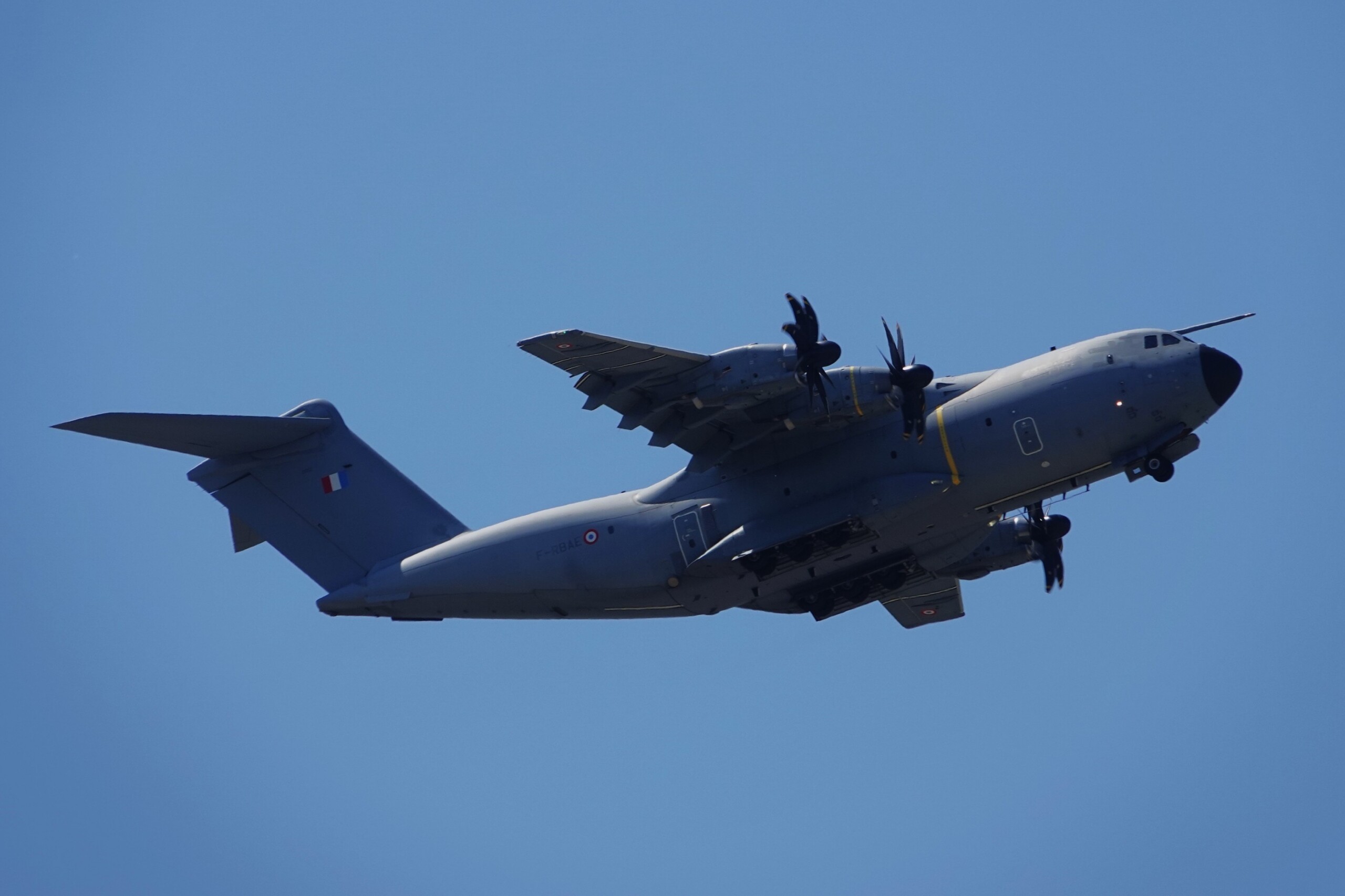
Kazakhstan Receives Second Airbus A400M Military Transport Aircraft
By Khalid · 3 days ago
US Air Force Awards Electra $4.7 Million for Ultra-STOL Flight Testing
By Khalid · 3 days ago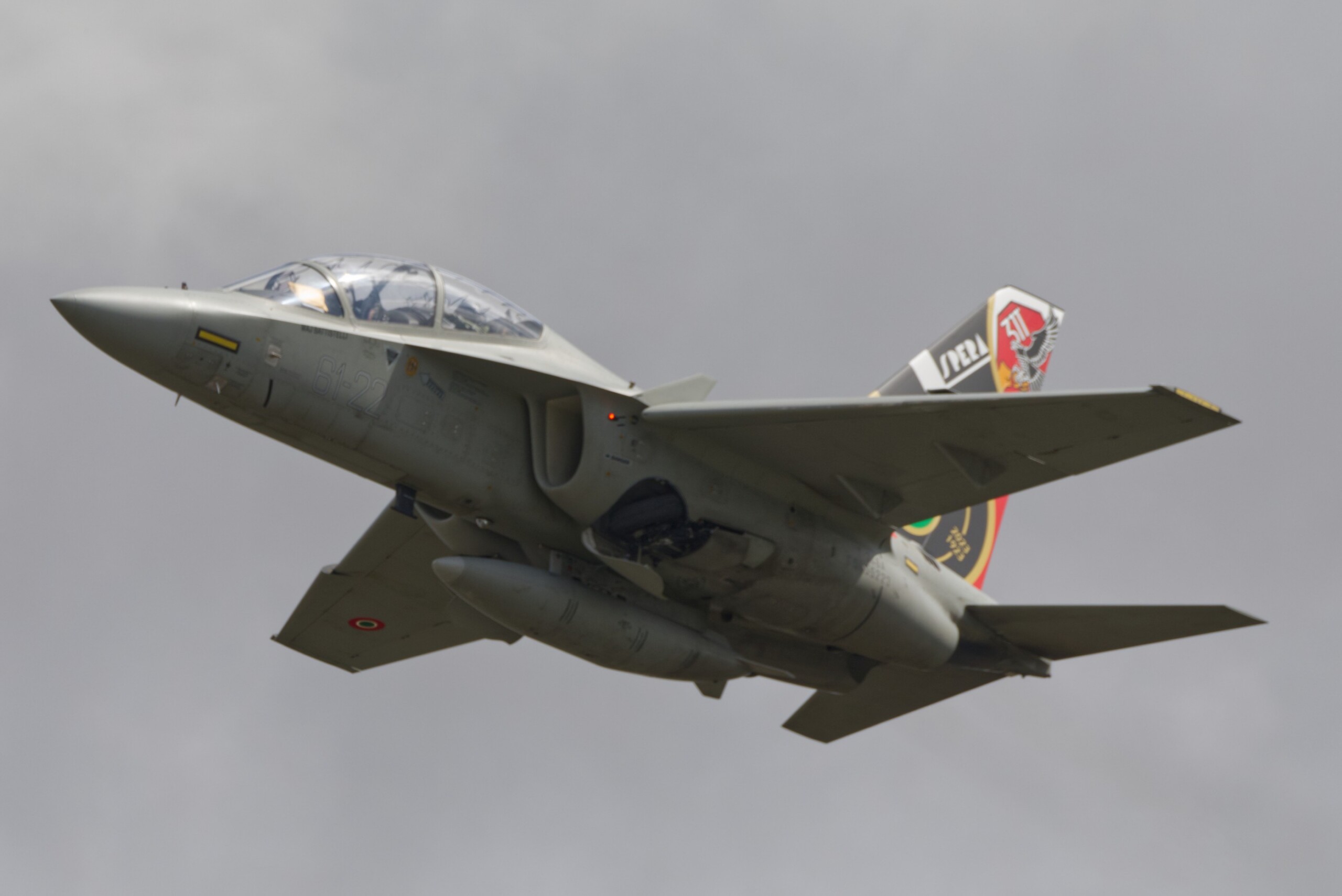
Leonardo and Textron Lead US Navy Jet Trainer Race as SNC Withdraws
By Khalid · 3 days ago