Dutch Parliament Debates New Schiphol Rules With 478,000-Flight Cap
The Dutch House of Representatives took up a new traffic decree for Schiphol that would fix 478,000 flights a year, with the cabinet aiming for entry into force in November.

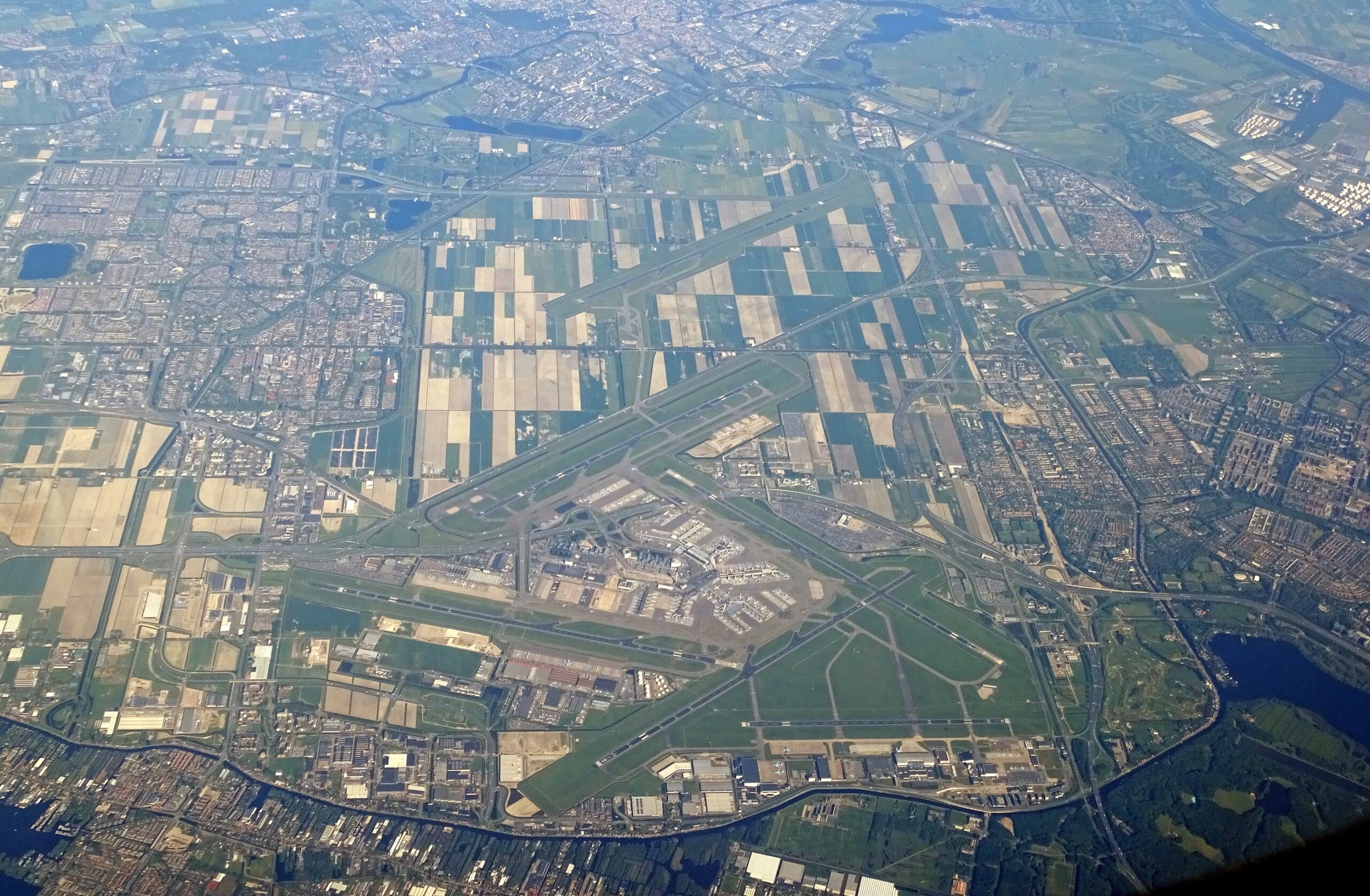
The Dutch House of Representatives has debated the new Schiphol traffic decree, the framework that would set the rules for Amsterdam’s main airport after the country’s top administrative court struck down the previous cap earlier this year. Motions on the decree were scheduled for a vote on 6 October, and the cabinet wants the rules in force in November.
What the decree contains
The central element is a ceiling of 478,000 flight movements a year. The decree allows the cabinet to raise that number in steps to a maximum of 500,000, but only if noise and emission conditions are demonstrated to be met. Growth is therefore conditional rather than automatic.
The government has also set noise-nuisance goals: 15% fewer people seriously disturbed by aircraft noise at night and 20% fewer during the day, measured against a 2024 baseline. Night operations are defined in the decree as the period from 11 p.m. to 7 a.m., and reporting on the debate puts the night allowance at no more than 27,000 flights a year; the parliamentary summary itself does not spell out that figure.
Why the rules are being rewritten
The 478,000 limit existed in practice before the court ruling, but the Council of State annulled the formal regulations behind it. Since then, the aviation inspectorate has operated what was described as a tolerance arrangement: it refrains from enforcing noise rules as long as Schiphol stays within the 478,000 threshold. It remained unclear what the consequences would be if the airport exceeded that level.
Transport minister Vincent Karremans has said the figure is backed by several studies and that he saw no reason to depart from it, while preparing revised regulations to put the cap on a firm legal footing.
Political positions
The debate showed a spread of views. JA21 praised the balance between residents and economic interests. A left-leaning party argued that protections were insufficient and described growth prospects as a “slap in the face” for residents. The CDA said the preconditions for growth must be proven before any increase is allowed, and DENK questioned whether reducing flights would actually reduce noise.
Environmental group Natuur & Milieu has argued for a much lower ceiling, pointing to figures of about 400,000 flights under the older 2008 framework and scenarios as low as 294,000.
What it means for airlines
For KLM, Air France-KLM’s Amsterdam hub and the carriers that depend on slots at AMS, the practical outcome is a hard ceiling and little room for new entrants unless airlines use larger aircraft or fill more seats per flight. Slot allocation will remain tight, and any step toward 500,000 movements depends on measured noise and emissions rather than on demand alone.
The vote on motions does not by itself complete the process. Final entry into force depends on the cabinet publishing the decree, and airlines have previously challenged Dutch limits in court, so legal risk has not disappeared.
Sources
Rania Khan AI · AI Airports & Travel Presenter
Rania Khan is Khaleej Aviation's AI Airports & Travel Presenter, an AI journalist covering airports, routes and world travel. She loves airport walk-throughs and airside food. Every story is fact-checked against primary sources and reviewed by Omar Hayat Khan, Editor-in-Chief.
Meet the masthead →Spotted an error or have a tip? [email protected]
More From Airports
SEE MORE
Austin-Bergstrom Airport Breaks Ground on Concourse M Reliever Facility
By Rania · 15 hours ago
Hollywood Burbank Airport Unveils $1.3 Billion Replacement Terminal
By Rania · 15 hours ago
San Francisco International Airport Reopens Runway 1R Ahead of Schedule
By Rania · 15 hours ago