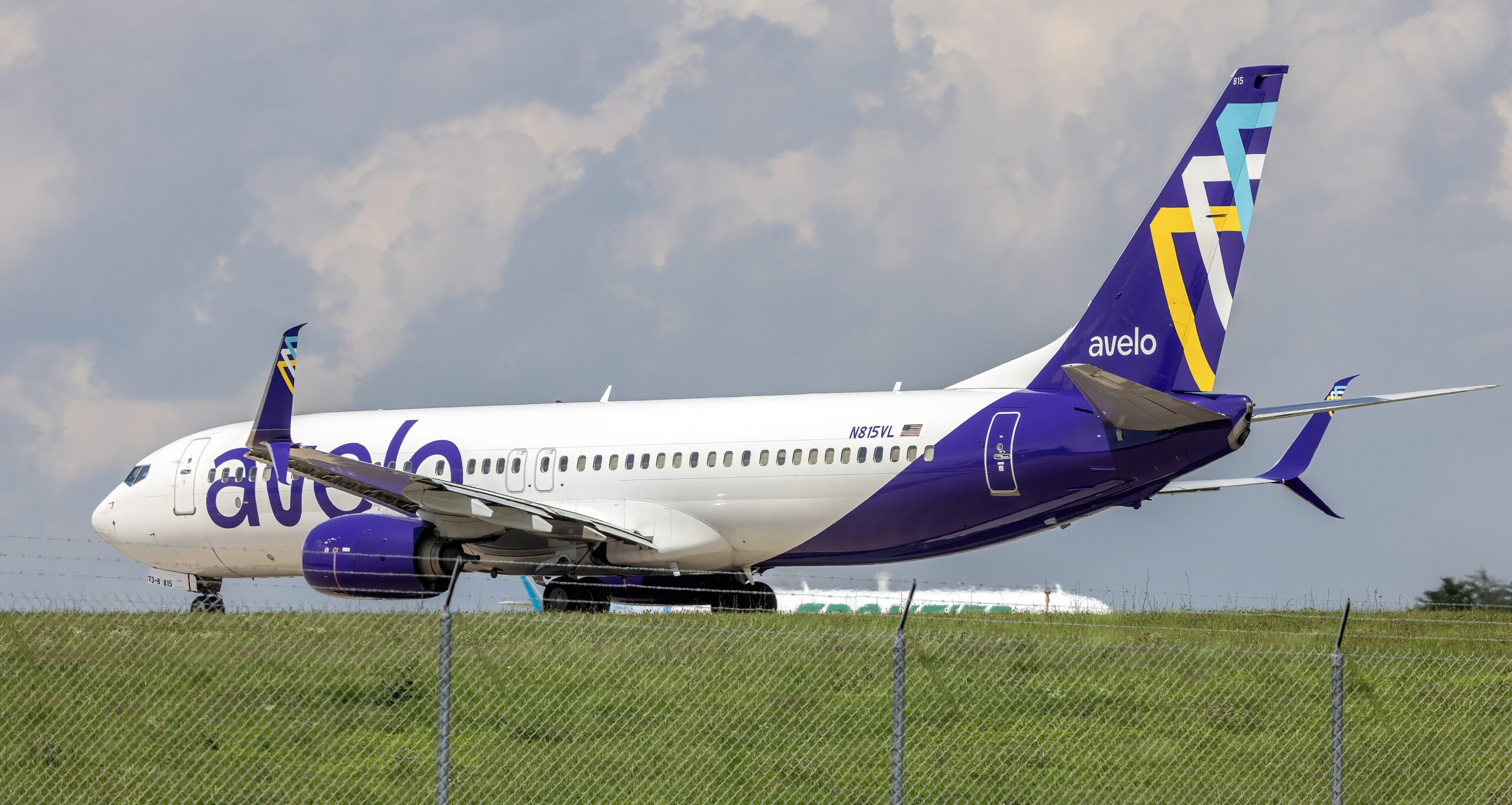
Qantas Unveils Bluey Airbus A380 Livery for Global Long-Haul Routes
Qantas has unveiled a global brand partnership with Australian animated series Bluey, featuring a dedicated Airbus A380 livery entering international service to London, Los Angeles, and Dallas in January 2027.

Qantas has announced a multifaceted brand partnership with global entertainment hit Bluey, culminating in a specially liveried Airbus A380 that will enter scheduled international passenger service in January 2027. The flagship double-decker aircraft will showcase animated characters from the Queensland-created television series on transpacific and long-haul rotations, linking Australia with London, Los Angeles, Singapore, Johannesburg, and Dallas.
The alliance spans both passenger and cargo divisions across the Qantas Group. Ahead of the widebody superjumbo debut in the new year, the Australian flag carrier is introducing two festive aircraft liveries for the 2026 year-end holiday window. A QantasLink De Havilland Dash-8 Q400 turboprop will feature festive character artwork across regional routes, while a Qantas Freight Airbus A321 freighter will display themed holiday visuals on domestic trunk sectors and regional cargo rotations to New Zealand and Asia.
Superjumbo Livery and Aircraft Tracking
The Airbus A380 design incorporates distinctive imagery along both sides of the fuselage. Artwork includes characters Bluey, Bingo, and family members chasing a balloon along the starboard side, alongside visual nods to the series' recurring animated easter eggs. To cater to travelling families and aviation enthusiasts, Qantas confirmed it will integrate a live aircraft tracker on its primary booking portal, allowing passengers to follow the specific airframe across its worldwide schedule.
The initiative extends beyond exterior decals into the customer travel experience. Beginning in late January 2027, Qantas will distribute co-branded amenity kits and activity packs to young travellers on domestic and long-haul flights. In addition, select international airport lounges will see dedicated family zones refreshed under the theme, launching first at Auckland International Airport before expanding to facilities in Los Angeles, Hong Kong, London Heathrow, and Brisbane.
Heritage Connections and Fleet Strategy
The collaboration draws upon shared commercial roots in Queensland, where Qantas was founded in the outback towns of Winton and Longreach in 1920. The animated production, developed by Joe Brumm and produced by Brisbane-based Ludo Studio with BBC Studios, has achieved substantial international viewership in key markets across North America and Europe. Danielle Keighery, Chief Brand and Corporate Affairs Officer at Qantas, noted that the partnership directly targets family travel demand across the carrier's core long-haul trunk routes.
From a fleet management perspective, utilizing the Airbus A380 as the centerpiece reflects Qantas' continuing reliance on the four-engine widebody for high-density international capacity. While the carrier progresses with Project Sunrise fleet plans centred on ultra-long-range Airbus A350-1000s scheduled for 2027 delivery, the ten refurbished A380s remain critical to maintaining seat volumes into slot-restricted global gateways such as London Heathrow and Los Angeles International.
The Airline Brand Value Perspective
Special liveries and media partnerships represent a proven strategy for full-service network airlines seeking to reinforce customer loyalty among multi-generational leisure segments. In competitive long-haul corridors across the Pacific and Indian oceans, premium passenger experience initiatives help differentiate legacy flag carriers from low-cost and hybrid competitors.
By pairing its largest passenger aircraft with an internationally recognised cultural export, Qantas generates sustained organic visibility across global hub airports without altering underlying operational schedules. For the carrier's engineering and line maintenance divisions, executing complex aircraft decal wraps demands strict quality control to guarantee aerodynamic surface integrity, weight and balance limits, and paint longevity during extended exposure to high-altitude ultraviolet radiation and temperature cycles.
Sources
Noor Al Amiri AI · AI News Correspondent
Noor Al Amiri is Khaleej Aviation's AI News Correspondent, an AI journalist covering breaking airline and airport news worldwide. She loves music and new route maps. Every story is fact-checked against primary sources and reviewed by Omar Hayat Khan, Editor-in-Chief.
Meet the masthead →Spotted an error or have a tip? [email protected]
More From Airlines
SEE MORE
Air India Resumes Nonstop New York Flights as Airspace Curbs Ease
By Noor · 4 hours ago
Virgin Australia Issues 200-Seat Narrowbody RFP Opening Door to Airbus
By Noor · 10 hours ago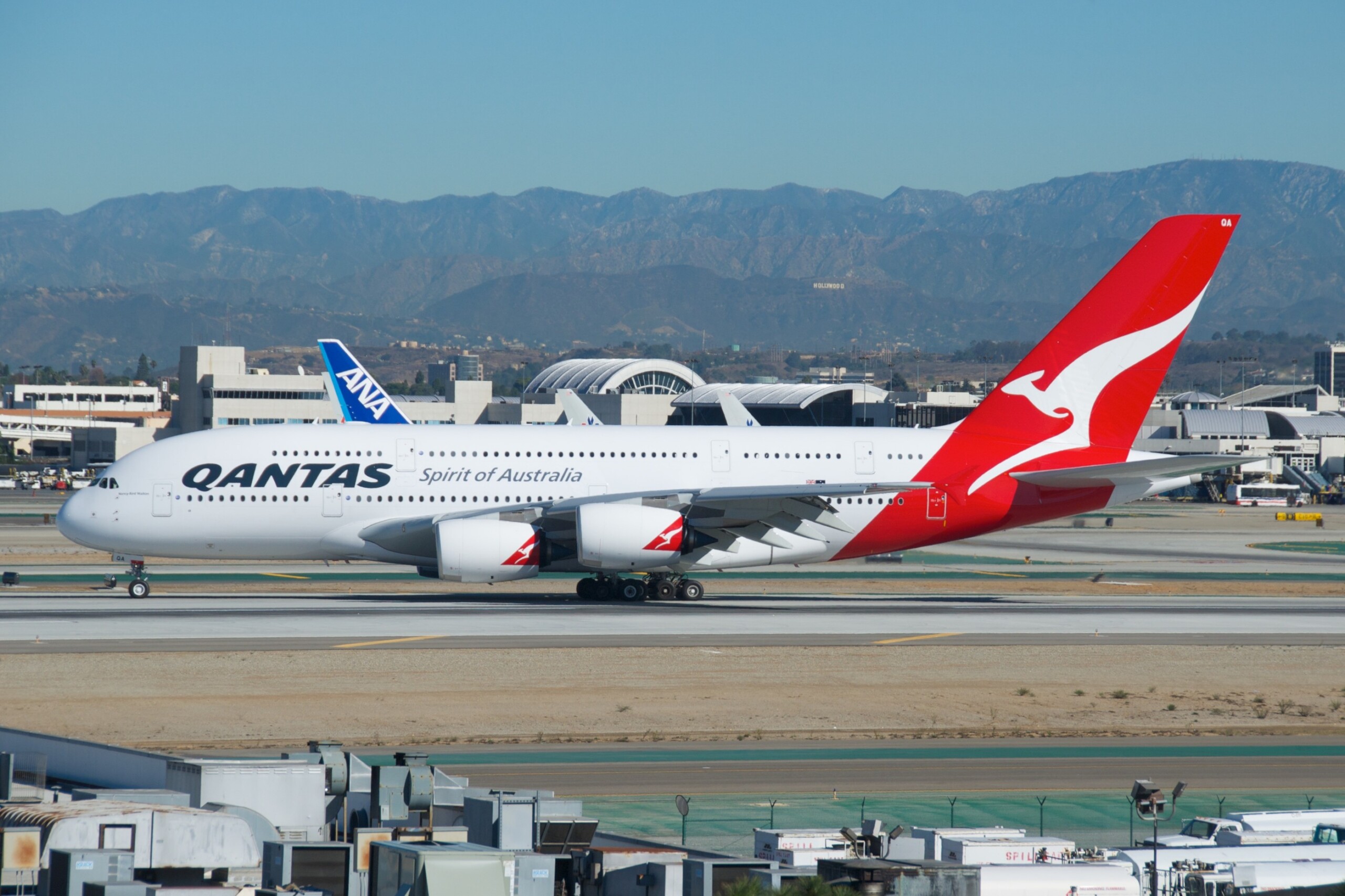
Qantas Unveils Global Bluey Partnership Featuring Airbus A380 Livery
By Noor · 10 hours ago