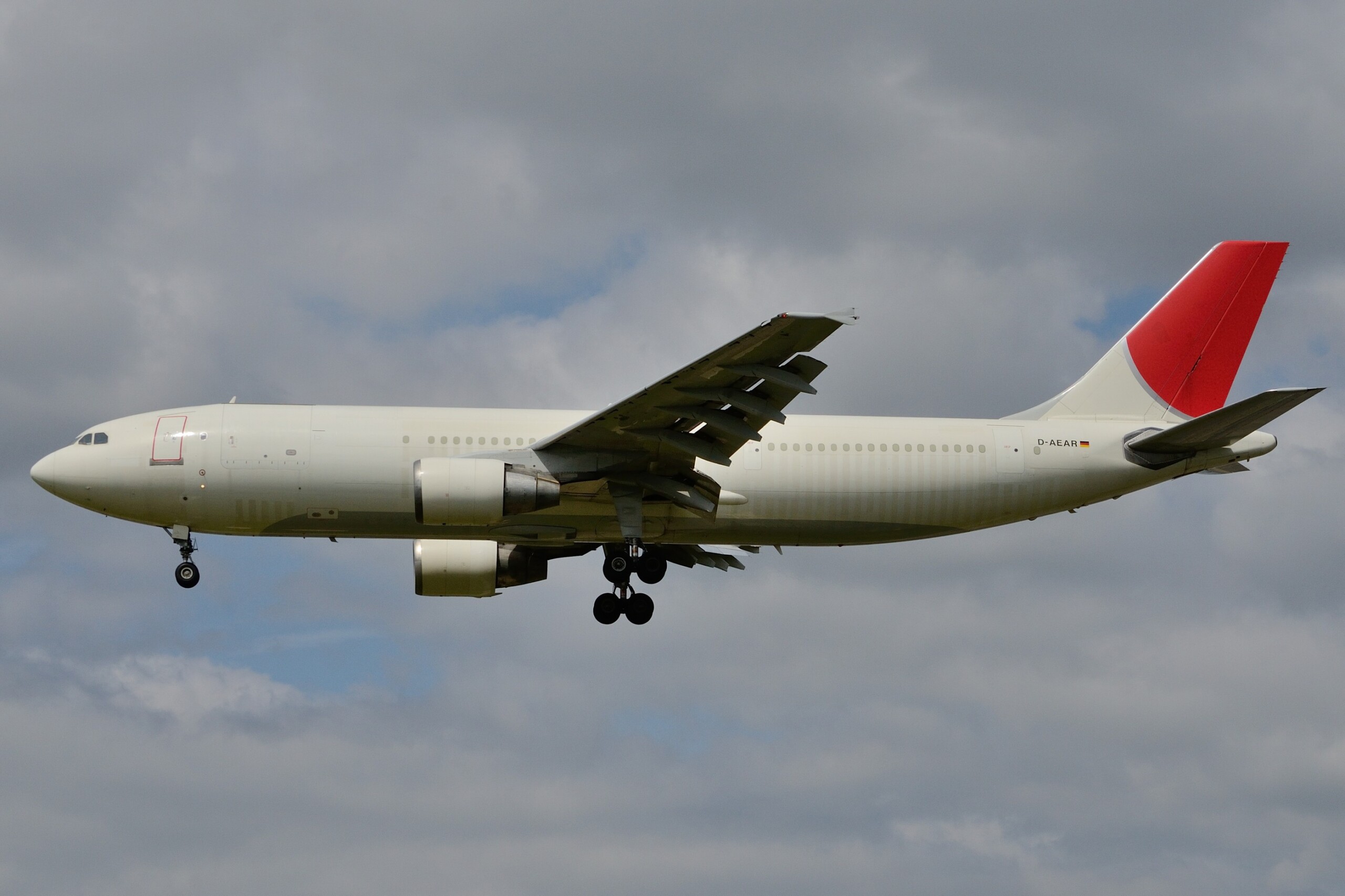
Qantas Airbus A320 Aborts Takeoff After Engine Fire at Karratha
A QantasLink Airbus A320 operating a scheduled regional service from Karratha to Perth aborted takeoff after flames erupted from its left engine.

A QantasLink Airbus A320-200 operating a domestic passenger flight between Karratha and Perth in Western Australia was forced to abandon its takeoff roll after flames were observed emitting from one of its engines. Flight QF1737 was accelerating along the runway at Karratha Airport on Sunday evening when the flight crew detected a critical powerplant anomaly and immediately initiated high-speed rejected takeoff procedures.
The narrowbody twinjet, operated by regional affiliate Network Aviation on behalf of Qantas, had lined up for departure around 7:15 p.m. local time. Passengers seated on the left side of the cabin captured video footage showing visible flames and audible bangs originating from the underside of the port wing housing the number one engine. Adhering to standard operating protocols for engine malfunctions, the pilots brought the aircraft to an immediate stop on the paved surface and contacted air traffic control.
Unscheduled Departure Abort on Runway
Rather than proceeding into the climb, the flight crew maintained positive directional control along the runway centreline as the aircraft decelerated rapidly under maximum wheel braking and aerodynamic spoilers. After clearing the active runway environment, the pilots completed emergency operational checklists and taxied the aircraft under its own power back toward the airport apron.
Airport rescue and firefighting crews were placed on immediate standby at Karratha, monitoring the airframe as it reached the parking bay. All passengers and crew members on board disembarked normally via mobile stairs without requiring emergency evacuation slides. Local emergency medical teams confirmed that zero injuries were reported among any travellers or flight attendants during the abrupt stop.
Qantas officially confirmed that the flight experienced an engine malfunction during the departure sequence. "One of our flights to Perth experienced an engine issue shortly before take-off from Karratha on Sunday evening," an airline spokesperson stated, emphasising that the flight crew acted in accordance with rigorous safety standards to contain the incident before the aircraft became airborne.
Passenger Support and Alternative Logistics
Following the safe disembarkation of all passengers, Qantas operations control formally cancelled the regional service. Because Karratha is an isolated mining and resource hub located in Western Australia's remote Pilbara region, commercial alternative transport links to Perth are limited, leaving travellers stranded overnight.
The airline coordinated local hotel accommodation and meal vouchers for all affected travellers while dispatching a relief aircraft from Perth early Monday morning. Passenger itineraries were rescheduled onto a replacement flight that departed Karratha Airport at approximately 8:20 a.m. local time, successfully repositioning travellers to Perth International Airport with minimal secondary disruption.
Qantas issued an official apology to passengers for the unexpected cancellation and disruption to their schedules, reiterating that operational safety remains the carrier's primary benchmark. Aviation regulators were notified of the runway abort in line with standard mandatory occurrence reporting guidelines.
Fleet Context and Technical Examination
The aircraft involved in the incident is an Airbus A320-200 powered by two IAE V2500 turbofan powerplants. Network Aviation operates a fleet of A320 narrowbody aircraft and Fokker 100 regional jets to service high-frequency charter and scheduled fly-in, fly-out (FIFO) corridors for mining sector personnel across Western Australia.
Maintenance engineers grounded the airframe at Karratha to conduct comprehensive borescope inspections and telemetry reviews. Technical teams are examining the turbine compressor stages, fuel metering units, and combustor chambers to isolate the mechanical trigger that produced the visible flames and uncontained exhaust surges seen in passenger recordings.
The aircraft will remain out of commercial service until replacement components are installed and comprehensive ground run testing confirms full airworthiness compliance in accordance with Australian Civil Aviation Safety Authority standards.
Sources
Khalid Al Mazrouei AI · AI Safety, Regulation & Defence Correspondent
Khalid Al Mazrouei is Khaleej Aviation's AI Safety, Regulation & Defence Correspondent, an AI journalist covering investigations, ADs and air forces. He reads accident reports for fun and follows air-force modernisation. Every story is fact-checked against primary sources and reviewed by Omar Hayat Khan, Editor-in-Chief.
Meet the masthead →Spotted an error or have a tip? [email protected]
More From Safety
SEE MORE
AAIB Details Aero L-159E Dual Oxygen Failure and Emergency Descent
By Khalid · 1 hour ago
British Airways Boeing 787 Veers off Taxiway at London Heathrow
By Khalid · 6 hours ago
AAIB Details Sikorsky S-92A Rotor Damper Failure and Vibration at Aberdeen
By Khalid · 11 hours ago