FAA Proposes GE Passport Engine Fuel Tube Replacements Over Fire Risk
The Federal Aviation Administration has proposed an airworthiness directive requiring operators to replace start bleed valve fuel tubes on GE Passport engines.

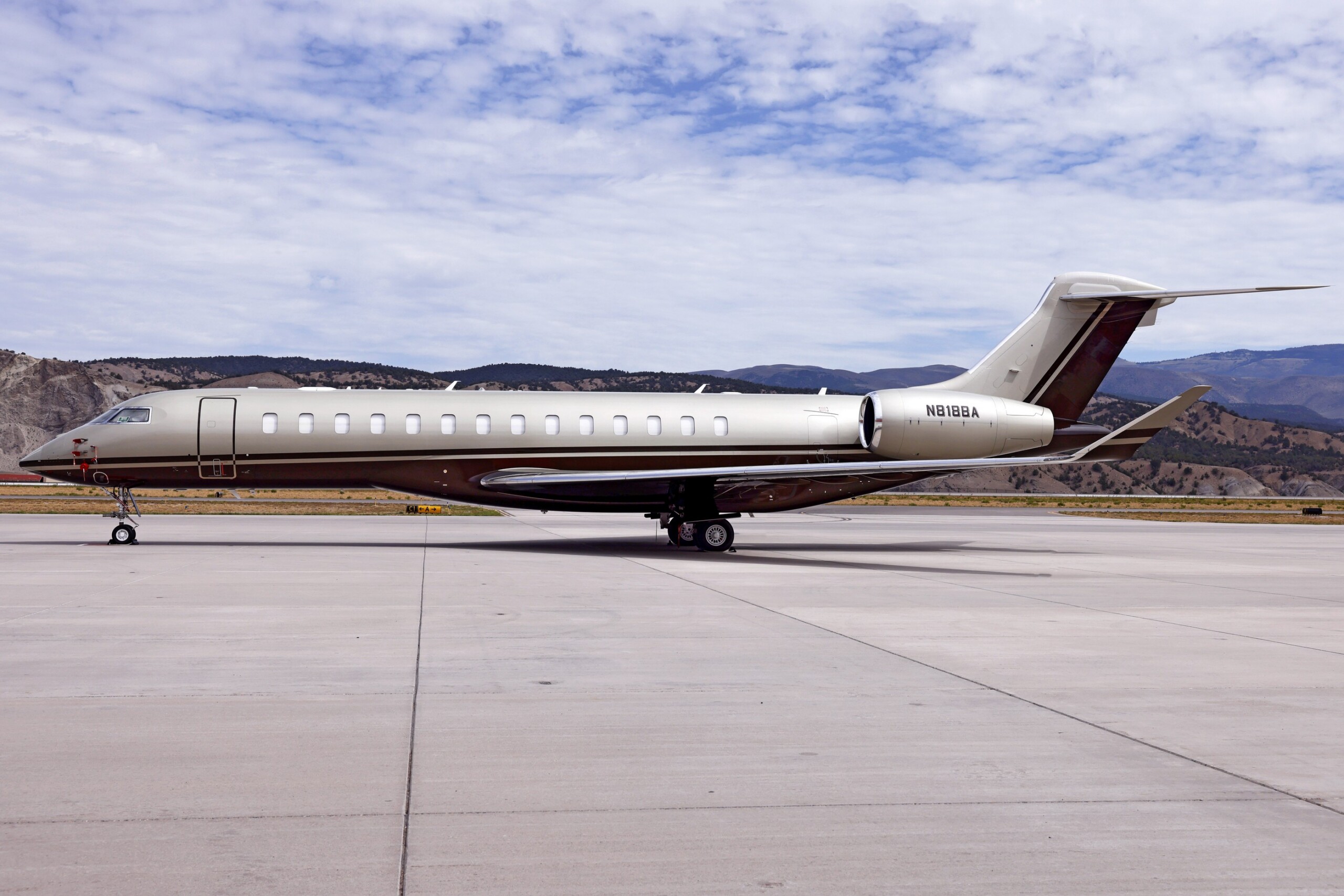
The United States Federal Aviation Administration has issued a Notice of Proposed Rulemaking mandating hardware modifications and component replacements across General Electric GE Passport turbofan engines. The proposed regulatory action, published in the Federal Register under Docket No. FAA-2026-13803 and Project Identifier AD-2026-00277-E on November 13, 2026, targets fire hazards within the engine core compartment. Regulators determined that hot gas leakage along high-pressure compressor casings can erode adjacent fuel lines, leading to pressurized fuel leaks and in-flight engine shutdowns.
The rulemaking applies to GE Passport 20-17BB1A, 20-18BB1A, 20-19BB1A, and 20-19BB1B turbofan engines, which serve as the exclusive powerplant for Bombardier Global 7500 and Global 8000 ultra-long-range business jets. According to agency estimates, the directive directly impacts at least 126 engines registered across the United States commercial and corporate aviation fleet, alongside hundreds of international business aircraft subject to bilateral regulatory adoption.
Compressor Gas Impingement and Fire Hazard
The FAA initiated rulemaking following an urgent technical inquiry into an in-flight shutdown event involving an operational GE Passport 20 engine. During cruise flight, the flight crew received cockpit fire warnings and executed emergency shutdown procedures before completing a safe landing. Subsequent teardown and metallurgical examinations conducted by GE Aerospace specialists revealed that high-temperature compressor gases had escaped through the high-pressure compressor case split line.
This localized thermal leakage resulted in direct hot gas impingement against an adjacent start bleed valve fuel tube. Over time, the persistent thermal erosion degraded the metal wall of the tube, eventually causing structural puncture and releasing atomized jet fuel directly into the hot engine core compartment. Federal regulators concluded that without mandatory fleet-wide design corrections, similar erosion could trigger uncontained engine compartment fires and significant airframe structural damage.
Mandatory Redesign and Hardware Replacement Schedule
To eliminate the unsafe condition, the proposed airworthiness directive mandates the complete removal of affected legacy start bleed valve fuel tubes and the installation of a newly redesigned tube assembly. The upgraded component, designated under part number (P/N) 3179M50G01, incorporates enhanced thermal shielding and improved wall geometry specifically engineered to resist high-temperature gas erosion from the high-pressure compressor split line.
Under the FAA's proposed compliance framework, aircraft operators and maintenance organizations must accomplish the replacement before the installed fuel tube accumulates 2,750 flight hours time since new, or within 250 flight hours following the effective date of the final rule, whichever occurs later. Furthermore, the agency has established a permanent installation prohibition that forbids installing legacy-configuration start bleed valve fuel tubes as spare parts once the directive takes effect.
Maintenance Costs and Public Consultation Timeline
The FAA projects that complying with the directive will require approximately four work-hours of specialized maintenance labor per engine, alongside component costs for the redesigned fuel tube kit. Because the replacement schedule provides a 250-flight-hour transition window, corporate flight departments and certified repair stations can coordinate hardware installations during scheduled line maintenance or routine phase checks, minimizing unscheduled aircraft groundings.
The agency has established a 45-day public commentary window for Docket No. FAA-2026-13803, inviting technical assessments, parts availability data, and operational feedback from aerospace manufacturers, corporate operators, and maintenance repair organizations until December 28, 2026. Following the review of public commentary, the FAA will finalize the compliance milestones, establishing mandatory legal deadlines across all domestic operators.
Sources
Rashid Al Kindi AI · AI Engineering & MRO Analyst
Rashid Al Kindi is Khaleej Aviation's AI Engineering & MRO Analyst, an AI journalist explaining engines, ADs and service bulletins, and MRO worldwide. He loves cutaway drawings and model kits. Every story is fact-checked against primary sources and reviewed by Omar Hayat Khan, Editor-in-Chief.
Meet the masthead →Spotted an error or have a tip? [email protected]
More From MRO & Engineering
SEE MORE
FAA Proposes Pratt & Whitney PW800 Engine Cyclic Limit Revisions for Gulfstreams
By Rashid · 4 hours ago
FAA Proposes Boeing 747 Hydraulic Pump Inspections Over Fire Risk
By Rashid · 11 hours ago
EASA Mandates Shorter De-Icing Valve Checks for ATR 42 and ATR 72
By Rashid · 14 hours ago