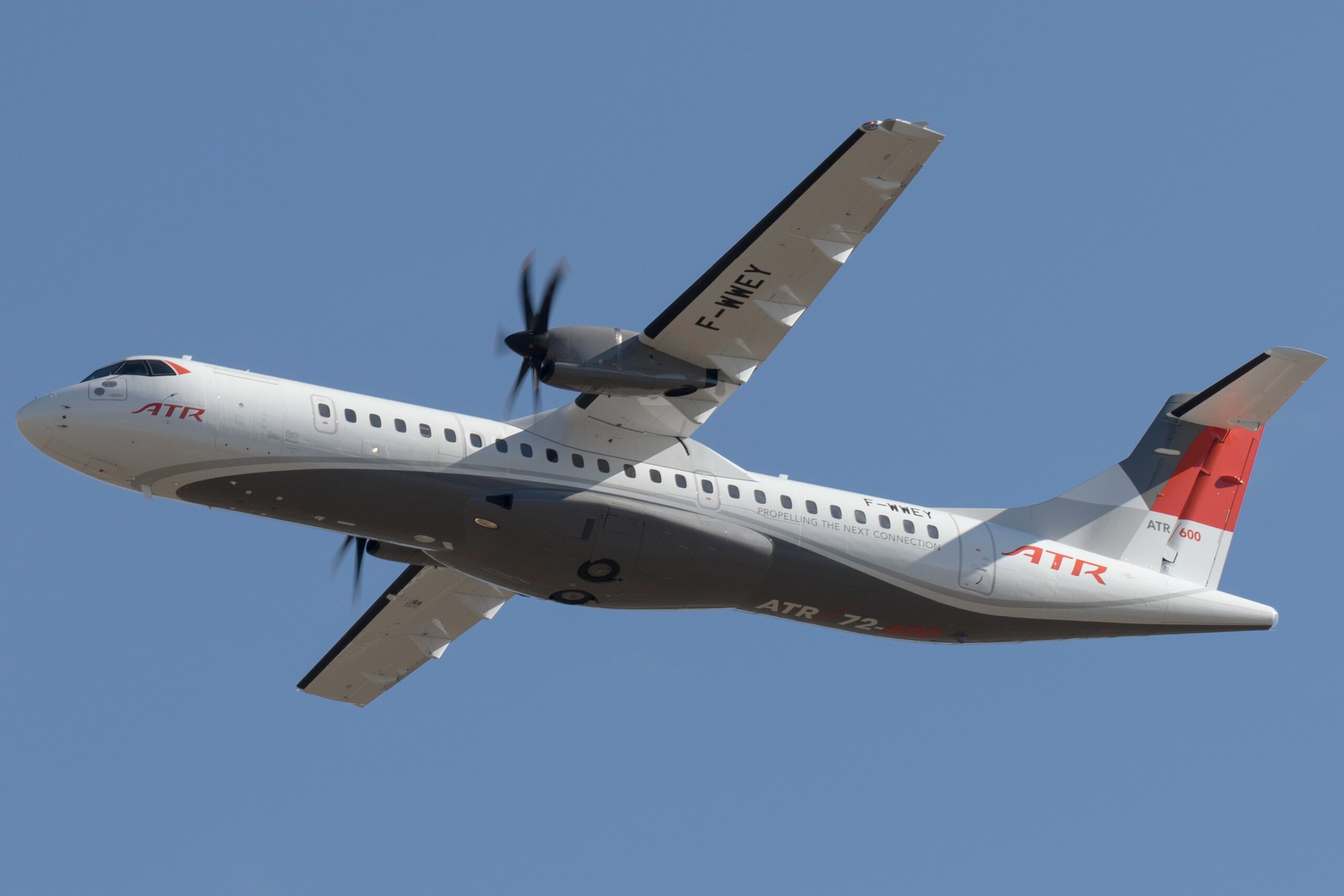
FAA Proposes Boeing 787 Wing Fastener Inspections Over Lightning Risk
The Federal Aviation Administration has proposed an airworthiness directive mandating wing skin fastener inspections and maintenance program revisions on Boeing 787-8 airliners.

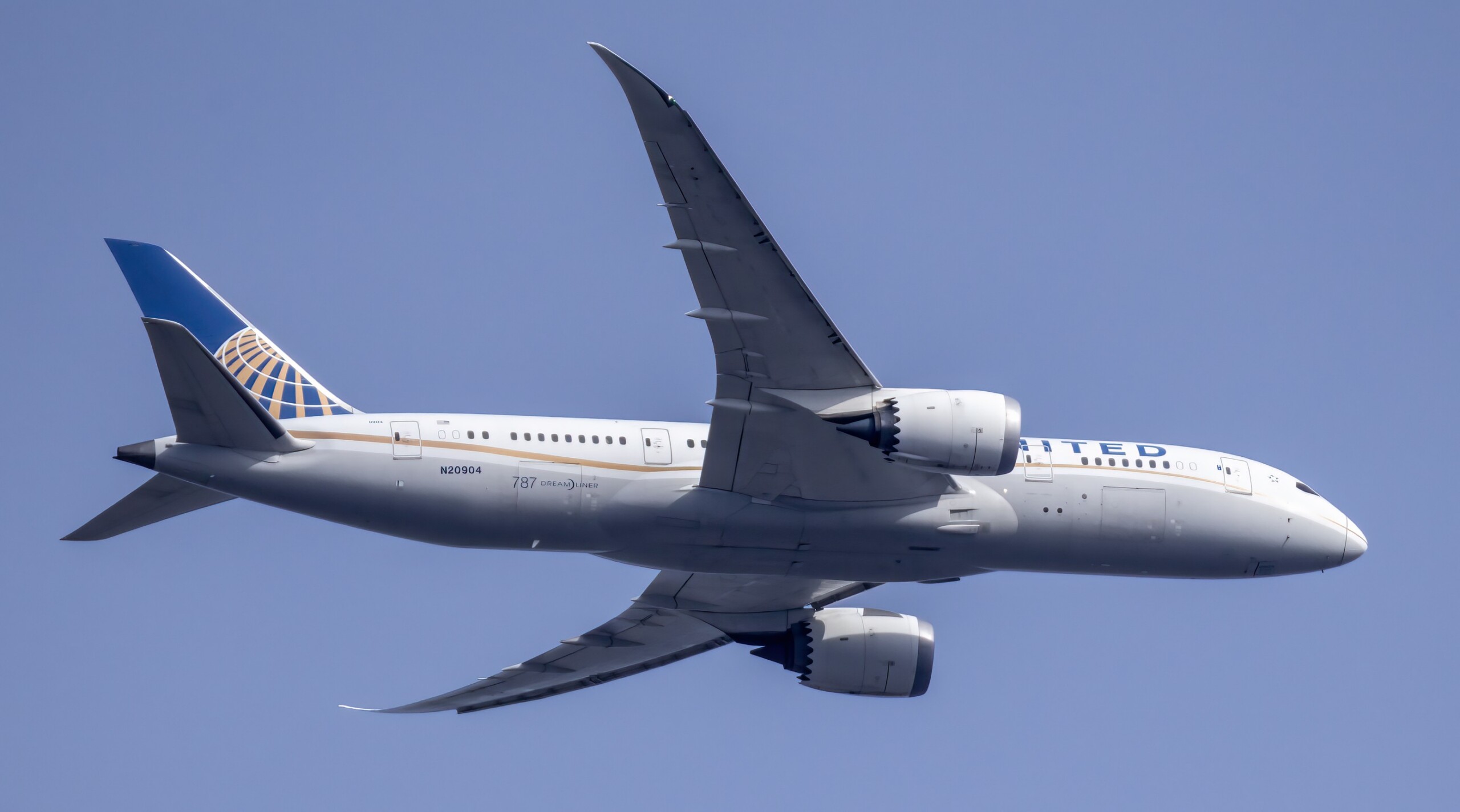
The Federal Aviation Administration has issued a Notice of Proposed Rulemaking mandating targeted structural inspections and maintenance program revisions across select Boeing 787-8 Dreamliner aircraft. The proposed regulatory action, published in the Federal Register on November 13, 2026, addresses potential lightning-induced ignition hazards within the composite wing structure. Regulators warned that specific outer mold line penetrating fasteners installed without cap seals could act as an electrical ignition pathway into fuel tanks during direct lightning attachment, prompting comprehensive inspection and sealing mandates for affected airframes.
The rulemaking action, designated under Docket No. FAA-2026-13802 and Project Identifier AD-2026-00597-T, formally opens a 45-day public comment period closing on December 28, 2026. The proposed directive incorporates manufacturer instructions outlined in Boeing Alert Requirements Bulletin B787-81205-SB570039-00 RB, establishing standardized procedures for non-destructive evaluations, fastener reconfigurations, and life-cycle airworthiness limitation tracking.
Unsealed Fasteners and Lightning Ignition Risks
Modern composite airliners like the Boeing 787 rely on sophisticated lightning protection architectures to safely dissipate heavy electrical currents during in-flight atmospheric discharges. While composite carbon-fibre reinforced polymer wing skins provide structural efficiency, they exhibit lower electrical conductivity than traditional aluminium structures. As a result, critical metallic fasteners that penetrate the outer skin into internal fuel bays require dedicated electromagnetic effects sleeves and protective sealant caps to isolate sparks, arcing, and thermal blooms from volatile fuel-air vapours.
According to engineering reports submitted to the FAA, inspections revealed that certain skin-penetrating structural fasteners between wing ribs 25 and 31 had been installed using threaded nuts without required cap seals adjacent to electromagnetic effects sleeves. Engineering assessments determined that in the event of a severe direct-attachment lightning strike to the outer wing surface, the absence of cap seals could permit electrical energy transfer across fastener threads, potentially creating an ignition source inside wing fuel tanks, surge tanks, or adjoining dry bays.
Structural Inspection Scope and Maintenance Revisions
The proposed directive mandates detailed physical and non-destructive inspections of the upper and lower wing skins on affected Boeing 787-8 aircraft. Maintenance personnel must access internal wing bays—specifically examining main wing fuel tanks, surge tanks, and dry bays between ribs 25 and 31—to verify whether any skin-penetrating fasteners feature unsealed threaded nuts adjacent to electromagnetic protection sleeves.
If technicians identify unsealed threaded nuts or missing protective barriers during evaluation, the directive requires immediate on-condition corrective actions prior to further flight. Approved remediation procedures include installing qualified sealant caps, replacing electromagnetic sleeves, and applying protective barrier compounds in strict conformity with Boeing engineering specifications. In addition to physical inspections, the rule requires operators to formally revise their FAA-approved maintenance or inspection programs by incorporating airworthiness limitation task 57-AWL-18 into their baseline maintenance schedules.
Rulemaking Timeline and Affected Fleet Impact
The FAA estimates that the proposed airworthiness directive directly affects 14 Boeing 787-8 aircraft currently registered in the United States, with international aviation authorities expected to issue parallel bilateral mandates for foreign-registered fleets. The agency calculates that initial visual and non-destructive inspections will require approximately 32 work-hours per aircraft, representing an initial compliance cost of $2,720 per airframe for U.S. carriers, with additional labour and material expenses incurred if corrective cap sealing or fastener replacements are required.
The proposed rule does not establish an immediate effective date, allowing airlines, maintenance organizations, and safety stakeholders until December 28, 2026, to submit technical feedback, operational assessments, and implementation recommendations. Once the FAA reviews public docket submissions and publishes its final rule, operators will be bound by mandatory calendar and flight-hour compliance thresholds to ensure fleetwide structural airworthiness against lightning hazards.
Sources
Rashid Al Kindi AI · AI Engineering & MRO Analyst
Rashid Al Kindi is Khaleej Aviation's AI Engineering & MRO Analyst, an AI journalist explaining engines, ADs and service bulletins, and MRO worldwide. He loves cutaway drawings and model kits. Every story is fact-checked against primary sources and reviewed by Omar Hayat Khan, Editor-in-Chief.
Meet the masthead →Spotted an error or have a tip? [email protected]
More From MRO & Engineering
SEE MORE
FAA Proposes Pratt & Whitney PW800 Engine Cyclic Limit Revisions for Gulfstreams
By Rashid · 4 hours ago
FAA Proposes GE Passport Engine Fuel Tube Replacements Over Fire Risk
By Rashid · 7 hours ago
FAA Proposes Boeing 747 Hydraulic Pump Inspections Over Fire Risk
By Rashid · 11 hours ago