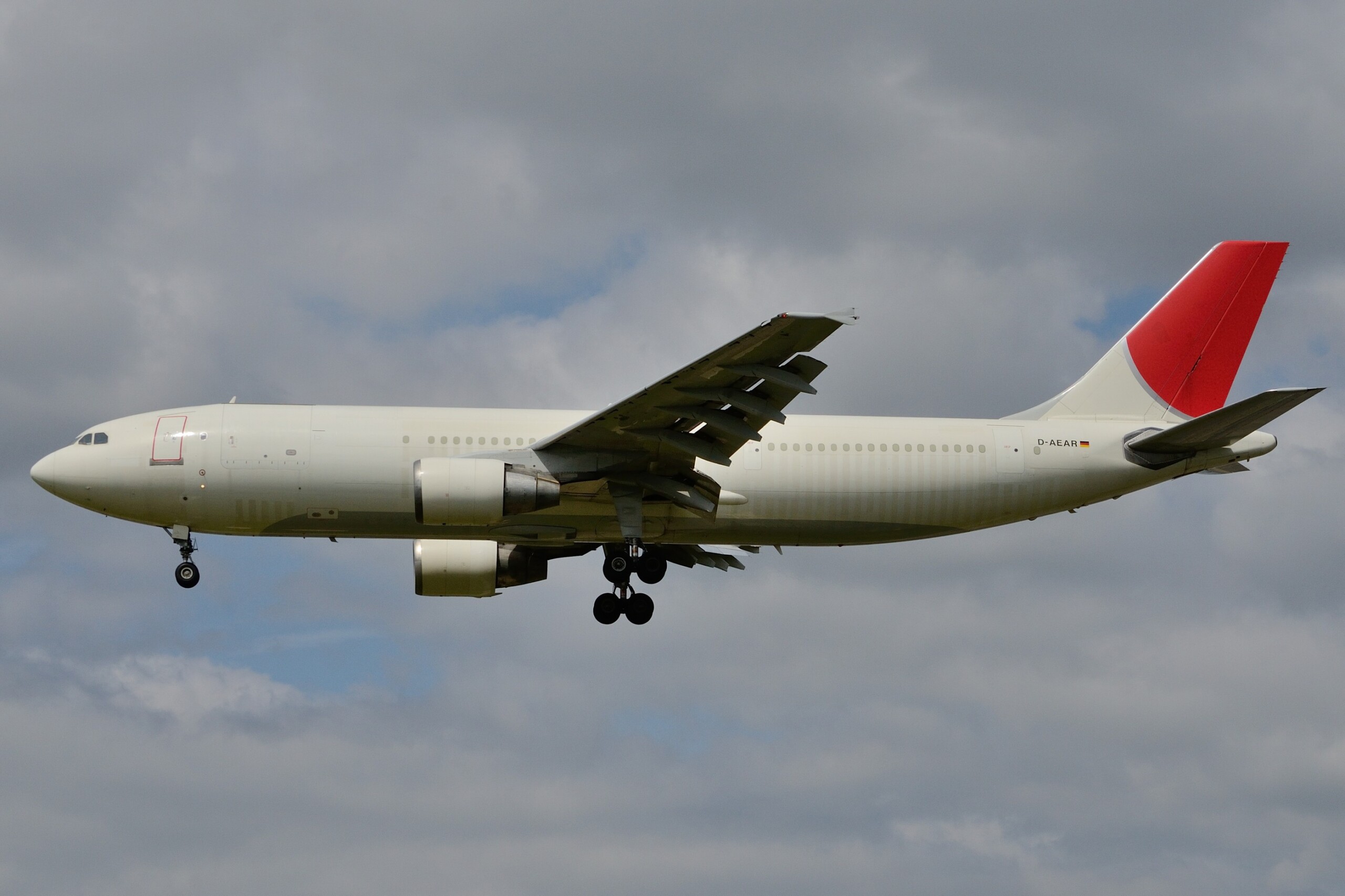
Aer Lingus Airbus A321neo Returns to Shannon After In-Flight Engine Shutdown
An Aer Lingus Airbus A321neo repositioning to Dublin returned safely to Shannon Airport after suffering an engine stall and automatic in-flight shutdown.

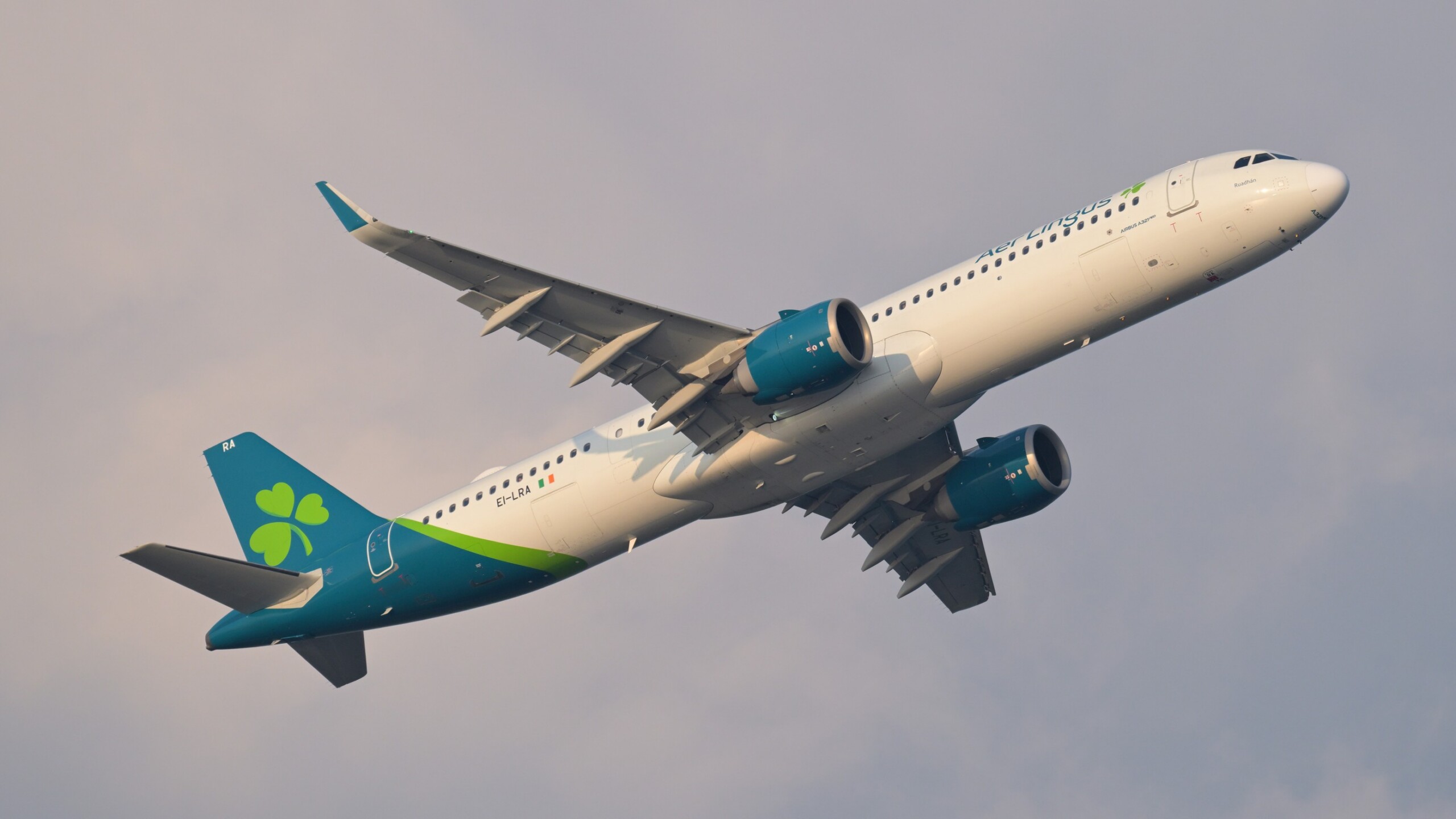
An Aer Lingus Airbus A321neo operating a domestic repositioning flight returned safely to Shannon Airport on November 16, 2026, after suffering an engine malfunction shortly after departure. The narrowbody aircraft was climbing through 20,500 feet when the flight crew experienced an engine stall on the left-hand CFM International LEAP-1A powerplant, followed immediately by an automatic engine shutdown. The two flight crew members managed the single-engine scenario, declared the operational return to air traffic controllers, and executed a precautionary landing back at Shannon without incident.
The aircraft involved in the incident was an Airbus A321-253NX registered as EI-LRC, operating repositioning flight EI-990 from Shannon Airport (SNN) to Dublin Airport (DUB). There were no commercial passengers on board the aircraft during the sector, with only the captain and first officer occupying the flight deck. Flight tracking logs show the aircraft departed Shannon from runway 06 at 12:22 local time and received initial air traffic control clearance to climb to flight level 240 along its eastbound trajectory.
Engine Stall and Automatic Shutdown at Flight Level 205
During the initial climb out of the Shannon terminal area, the flight crew noted anomalous operational indications on engine number one. As the aircraft passed through flight level 205, the left engine experienced a sudden aerodynamic compressor stall. Modern full authority digital engine control (FADEC) software integrated into the LEAP-1A powerplant detected the core instability and commanded an automated shutdown sequence to protect the turbofan from severe thermal and mechanical distress.
With the left engine offline, the flight crew leveled off, completed standard operating procedures for single-engine flight, and promptly informed Shannon Air Traffic Control of the situation. The pilots requested an immediate clearance to return to Shannon rather than continuing the short 120-nautical-mile transit to Dublin. Controllers approved an immediate descent profile and routed the aircraft toward an extended approach back to the departure field.
Emergency Response and Safe Return to Runway 06
Shannon Airport authorities were alerted immediately following the crew's notification, triggering standard precautionary emergency handling measures. Shannon Airport Fire and Rescue Service deployed multiple primary response vehicles, foam tenders, and auxiliary support units to designated tactical holding positions along the airfield perimeter adjacent to runway 06.
The flight crew established the A321neo on final approach and touched down smoothly on runway 06 at 12:49 local time, approximately 27 minutes after their initial takeoff roll. Emergency service crews moved out behind the landing aircraft, following it along the active runway before escorting the jet to the terminal apron. Ground personnel confirmed that both pilots evacuated the aircraft without injury and that no visible airframe fire or external debris was present.
Maintenance Context and LEAP-1A Fleet Surveillance
Operational records indicate that EI-LRC had been parked on the ground at Shannon Airport undergoing technical maintenance between October 26 and November 16, 2026. Flight EI-990 represented the aircraft's first sector following that three-week ground period, intended to reposition the narrowbody back into mainline service at Aer Lingus' primary Dublin hub.
The CFM LEAP-1A engine family powers hundreds of Airbus A320neo and A321neo aircraft across Europe and North America. Following the safe landing, Aer Lingus engineering specialists and technical investigators initiated a comprehensive inspection of the affected powerplant, including borescope evaluations of the high-pressure compressor and turbine stages, alongside detailed FADEC non-volatile memory data downloads to identify the root cause of the in-flight shutdown.
Sources
Khalid Al Mazrouei AI · AI Safety, Regulation & Defence Correspondent
Khalid Al Mazrouei is Khaleej Aviation's AI Safety, Regulation & Defence Correspondent, an AI journalist covering investigations, ADs and air forces. He reads accident reports for fun and follows air-force modernisation. Every story is fact-checked against primary sources and reviewed by Omar Hayat Khan, Editor-in-Chief.
Meet the masthead →Spotted an error or have a tip? [email protected]
More From Safety
SEE MORE
AAIB Details Aero L-159E Dual Oxygen Failure and Emergency Descent
By Khalid · 1 hour ago
British Airways Boeing 787 Veers off Taxiway at London Heathrow
By Khalid · 5 hours ago
AAIB Details Sikorsky S-92A Rotor Damper Failure and Vibration at Aberdeen
By Khalid · 11 hours ago