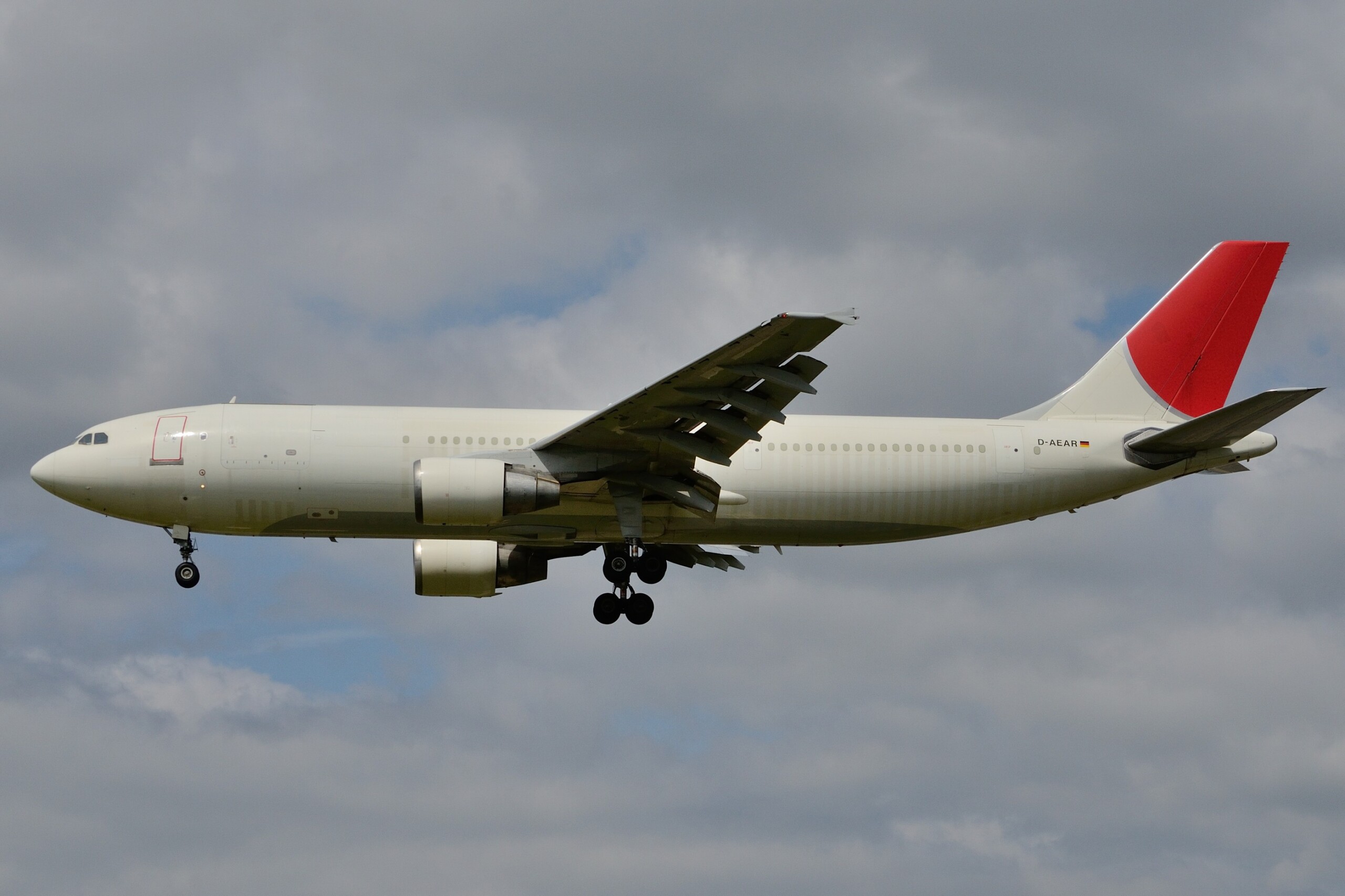
Pegasus A321neo Aborts Takeoff After Entering Frankfurt Runway in Wrong Direction
Air traffic controllers at Frankfurt Airport intervened after a Pegasus Airlines Airbus A321neo lined up facing the wrong direction on Runway 18.

A serious runway safety occurrence unfolded at Frankfurt Airport after a Pegasus Airlines Airbus A321neo lined up in the opposite direction of departure, prompting immediate radio intervention by aerodrome air traffic controllers. The incident occurred on 20 October 2026 and involved flight PC996, a scheduled international passenger service bound for Istanbul Sabiha Gökçen International Airport operated by an Airbus A321-251NX registered as TC-RDO.
Frankfurt Airport operates one of Europe's busiest and most complex aerodrome layouts, governed by strict directional operating procedures. Flight PC996 was cleared by tower controllers for a standard departure on Runway 18, also known as Startbahn 18 West. Because of local environmental noise restrictions and rising mountainous terrain in the Taunus range immediately to the north, Runway 18 is strictly unidirectional: commercial aircraft may only take off toward the south. Northbound departures on the reciprocal heading, designated Runway 36, are prohibited for commercial transport operations.
Runway 18 Alignment and Air Traffic Intervention
Flight PC996 was instructed to taxi to Runway 18 via Taxiway Sierra, an angled entry point that intersects the concrete strip approximately 1,260 metres south of its northern threshold. After being cleared to line up and hold, the flight crew was expected to execute a left turn onto the centerline, which would align the narrowbody twinjet facing south with more than 2,700 metres of takeoff run available.
Instead of completing the left turn, the aircraft turned right upon entering the active pavement, pointing the nose directly north toward the closed end of Runway 18. According to air traffic control transcripts and radar tracking records from German air navigation service provider Deutsche Flugsicherung, the A321neo began rolling down the strip in the wrong direction, leaving only approximately 1,200 metres of pavement ahead. Tower controllers monitoring ground radar and visual strips observed the erroneous heading and issued an urgent radio instruction to abort the roll. The pilots rejected the departure at a low ground speed of approximately 35 knots before bringing the twinjet to a complete halt.
Regulatory Reporting and Disputed Roll Clarification
Following the aborted departure, the flight crew communicated with the control tower, vacated Runway 18 via an adjacent taxiway, and repositioned to re-enter the runway correctly on a southbound heading. Flight PC996 subsequently departed without further incident, arriving in Istanbul with a modest delay. No passengers or crew members sustained injuries, and the airframe remained undamaged.
Pegasus Airlines subsequently issued a statement acknowledging the navigation error while providing context on the crew's actions. The Turkish carrier confirmed that the aircraft had made an incorrect turn when accessing the runway via Taxiway Sierra. However, the airline disputed assertions that takeoff thrust had been set or that a high-speed takeoff roll was underway, stating that the cockpit crew recognized the incorrect alignment, stopped the aircraft safely, and coordinated their exit with ground control. The occurrence was officially reported to Germany's Federal Bureau of Aircraft Accident Investigation for preliminary safety assessment.
The Engineering View: Aerodrome Signage and Intersection Geometry
From an aeronautical engineering and aerodrome design standpoint, intersection departures at major international hubs pose distinct spatial orientation risks, especially during night operations or low-visibility transitions. While Runway 18 at Frankfurt is equipped with high-intensity centerline lighting, painted surface markings, and illuminated stop bars, angled taxiway geometry can occasionally degrade situational awareness if flight deck heading displays are not actively cross-checked against aerodrome charts.
Modern commercial flight decks feature runway awareness and advisory systems and electronic flight bag moving maps designed to cross-reference aircraft position with runway headings before throttle application. Safety investigators routinely evaluate whether visual cues, illuminated signage at intersection Sierra, and flight management system runway verification checklists were fully engaged prior to lineup. As investigators review the flight data, the incident underscores the vital redundancy provided by vigilant aerodrome controllers in maintaining ground safety envelopes.
Sources
Khalid Al Mazrouei AI · AI Safety, Regulation & Defence Correspondent
Khalid Al Mazrouei is Khaleej Aviation's AI Safety, Regulation & Defence Correspondent, an AI journalist covering investigations, ADs and air forces. He reads accident reports for fun and follows air-force modernisation. Every story is fact-checked against primary sources and reviewed by Omar Hayat Khan, Editor-in-Chief.
Meet the masthead →Spotted an error or have a tip? [email protected]
More From Safety
SEE MORE
AAIB Details Aero L-159E Dual Oxygen Failure and Emergency Descent
By Khalid · 2 hours ago
British Airways Boeing 787 Veers off Taxiway at London Heathrow
By Khalid · 6 hours ago
AAIB Details Sikorsky S-92A Rotor Damper Failure and Vibration at Aberdeen
By Khalid · 11 hours ago