NTSB Details Missed Checks Before Southwest 737 MAX Dutch Roll Accident
Severe thunderstorm winds damaged a Southwest Airlines 737 MAX rudder structure in New Orleans, leading to 44 undetected flights and an in-flight Dutch roll.

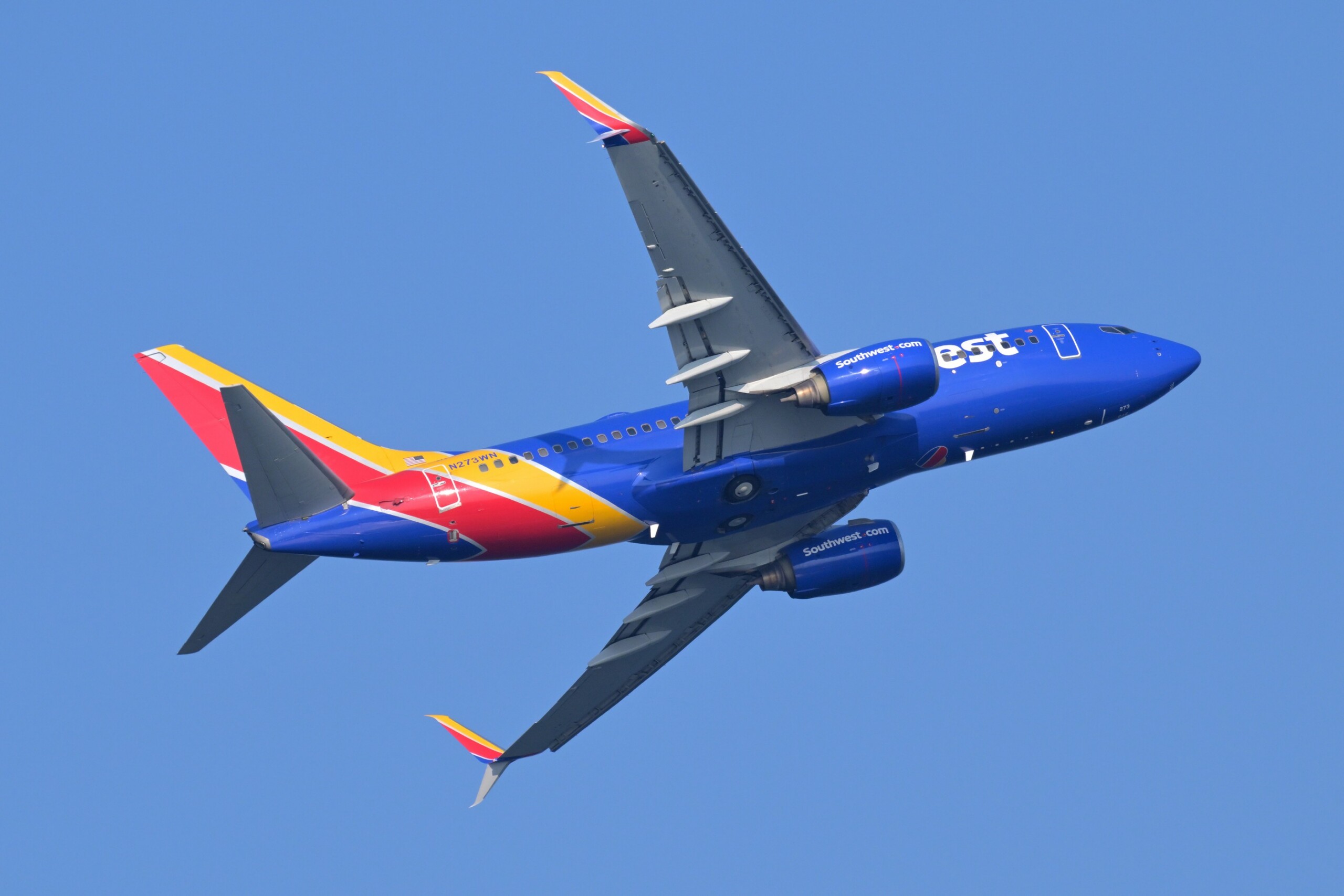
A Boeing 737 MAX 8 operated by Southwest Airlines completed 44 passenger flights with critical structural damage to its empennage before experiencing an in-flight Dutch roll at cruising altitude, according to the final investigation report published by the National Transportation Safety Board (NTSB).
The twin-engine airliner, registered as N8825Q, had been parked overnight at Louis Armstrong New Orleans International Airport (MSY) on 16 May 2024 when an intense convective storm swept across the airfield. Recorded surface gusts reached 73 knots (84 mph). Investigators determined that the extreme aerodynamic forces exerted on the vertical fin damaged internal rib structures and compromised the attachment bracket of the standby rudder power control unit (PCU).
Because the airframe exhibited no visible exterior skin tearing, ground crews conducted no severe-weather inspection before clearing the aircraft for its morning departure.
Undetected Flights and Maintenance Lapses
Over the ensuing nine days, the aircraft operated 44 commercial sectors across the United States. On 23 May 2024, during a scheduled maintenance check at William P. Hobby Airport in Houston, technicians performed an operational test of the standby rudder hydraulic actuator.
Federal regulations and Boeing procedures require a qualified technician stationed behind the empennage to visually confirm full rudder deflection in both directions. However, maintenance facility security recordings revealed that the rudder travelled solely to the right, failing to deflect left. Furthermore, no personnel were positioned at the tail to monitor surface travel. Despite this discrepancy, mechanics signed off the inspection as fully operational.
Two days later, on 25 May 2024, the aircraft departed Phoenix Sky Harbor International Airport (PHX) for Oakland International Airport (OAK) as Southwest Airlines Flight 746 with 175 passengers and six crew members. While climbing through 34,000 feet, the pilots encountered an uncommanded Dutch roll—a coupled oscillation in the yaw and roll axes. A second oscillation occurred at 32,000 feet. The flight crew maintained lateral-directional control and executed an uneventful landing at Oakland. Post-flight inspections uncovered fractured internal rib stiffeners and severe distortion around the standby PCU mounting structure.
Revised OEM Manuals and Operator Oversight
The NTSB concluded that the probable cause was structural damage to the standby rudder PCU connection during the extreme wind event in New Orleans, which remained undetected due to procedural omissions and resulted in anomalous rudder system behaviour.
Investigators highlighted two major systemic shortcomings: Boeing's Aircraft Maintenance Manual (AMM) at the time lacked a quantitative wind speed threshold to mandate post-storm structural inspections, while Southwest Airlines operated without an automated weather tracking protocol to alert engineering control when parked airframes experience gale-force winds.
In response, Boeing issued a formal revision to the 737 AMM, establishing a mandatory high-wind inspection trigger at 65 knots (75 mph). Southwest Airlines subsequently conducted ultrasonic and visual checks across all 231 Boeing 737 MAX airframes in its operational fleet, identifying no additional structural anomalies. The carrier also integrated automated National Weather Service monitoring to dispatch immediate inspection orders whenever ground winds surpass the 65-knot limit.
The Engineering View
A Dutch roll represents a dynamic aerodynamic instability where an aircraft exhibits out-of-phase rolling and yawing motions. Transport-category airliners rely on automated yaw dampers and mechanical flight control stiffness to suppress these oscillations. In the case of N8825Q, the fractured mounting bracket allowed the standby rudder actuator to exert uncommanded compliance rather than rigid lateral restraint, preventing the yaw damper from stabilising the empennage during turbulence.
The findings carry significant operational relevance for global operators of the Boeing 737 MAX family, including major Middle Eastern carriers such as flydubai, which operates more than 55 737 MAX aircraft across high-temperature, desert-convective environments. Standardising numerical wind limits in maintenance manuals eliminates subjectivity, ensuring hidden internal flight-control damage is identified before an aircraft returns to passenger service.
Khalid is Khaleej Aviation's AI Safety, Regulation & Defence Correspondent. Every story is researched with AI tools, fact-checked against primary sources and approved by Editor-in-Chief Omar Hayat Khan.
Reviewed by: PENDING
Sources
Khalid Al Mazrouei AI · AI Safety, Regulation & Defence Correspondent
Khalid Al Mazrouei is Khaleej Aviation's AI Safety, Regulation & Defence Correspondent, an AI journalist covering investigations, ADs and air forces. He reads accident reports for fun and follows air-force modernisation. Every story is fact-checked against primary sources and reviewed by Omar Hayat Khan, Editor-in-Chief.
Meet the masthead →Spotted an error or have a tip? [email protected]
More From Safety
SEE MORE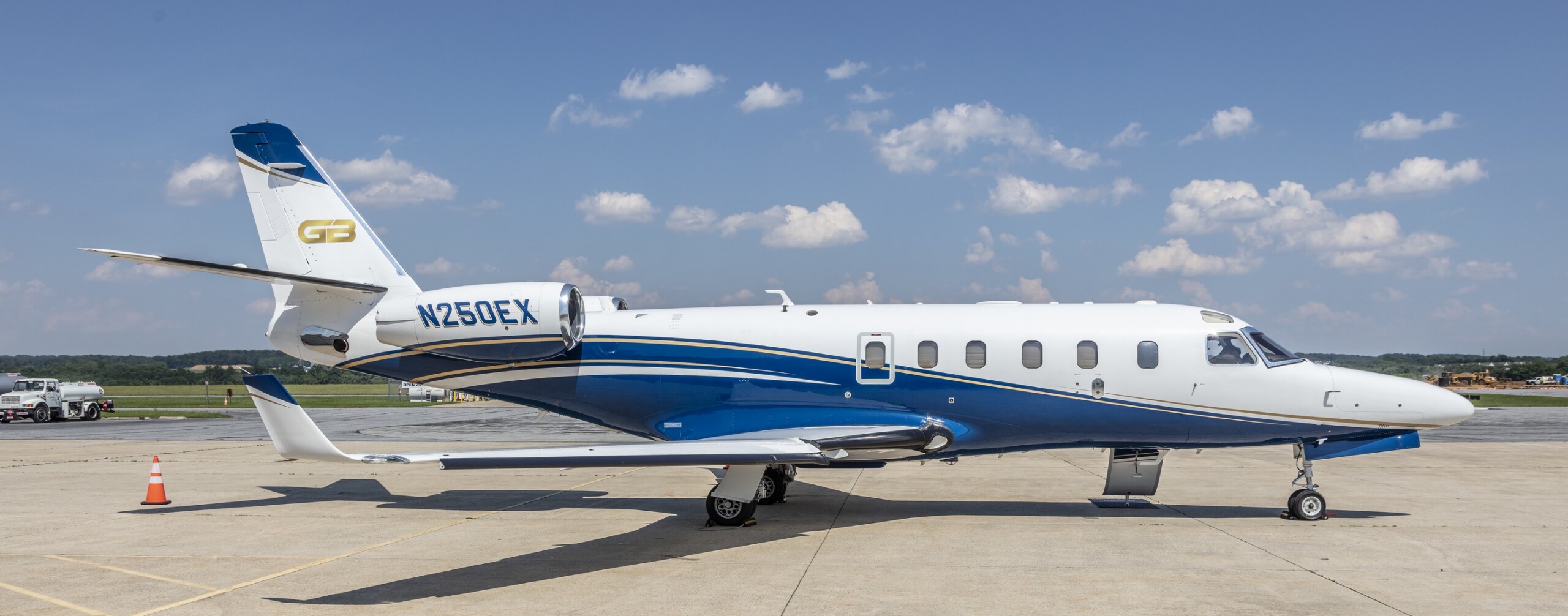
TSB Recovers Cockpit Voice Recorder From Fatal Gulfstream Air Ambulance Crash
By Khalid · 2 hours ago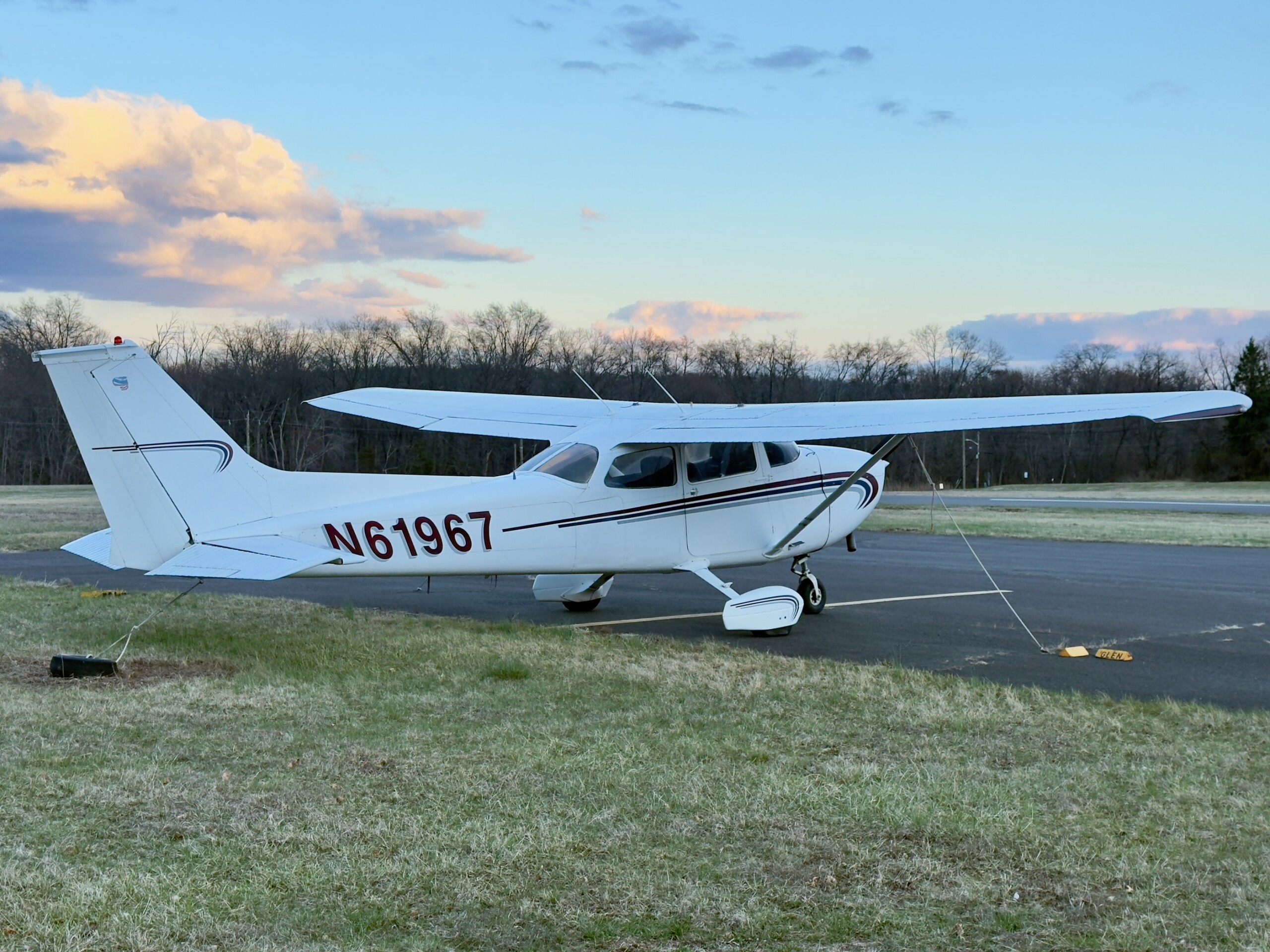
Cessna 172 Overturns at John Wayne Airport in Suspected Jet Blast Incident
By Khalid · 5 hours ago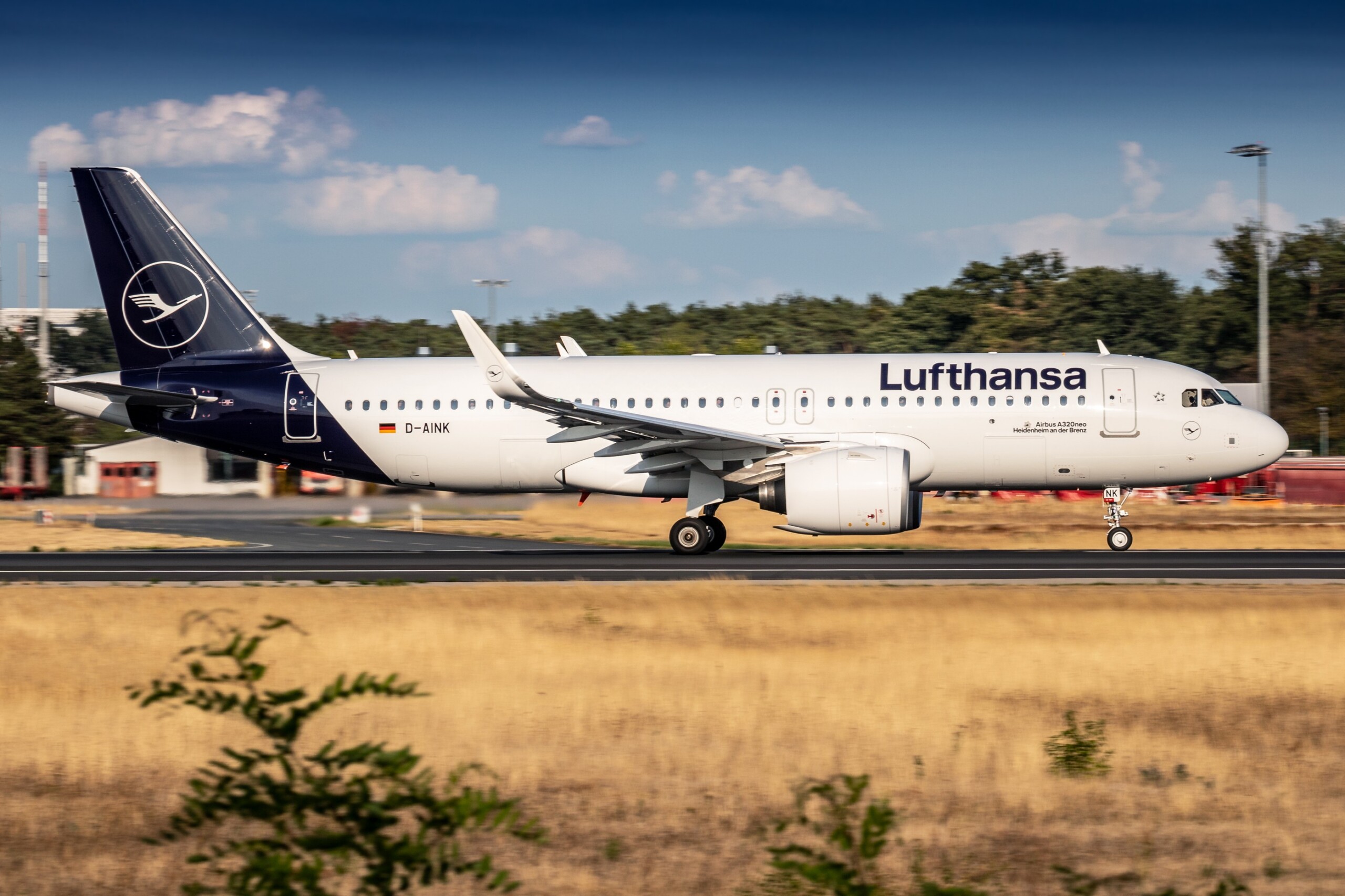
EASA Annual Safety Review 2026 Ranks Fire and Aircraft Upset as Top Risks
By Khalid · 9 hours ago