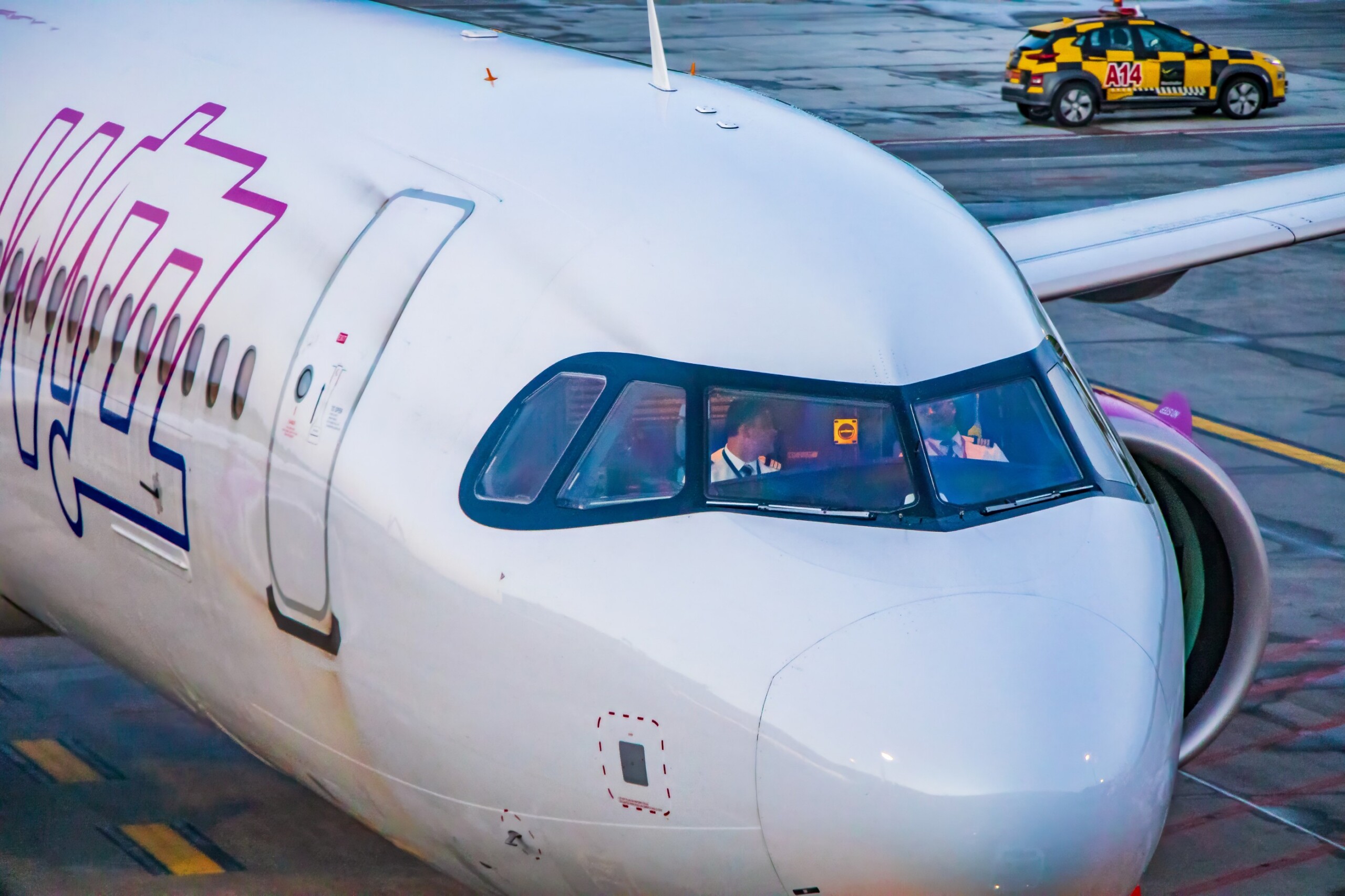
Southwest 737 Safely Diverts to LAX After Engine Failure on Departure
A Southwest Airlines Boeing 737-700 carrying 97 people diverted safely to Los Angeles International Airport after losing power in its right engine following takeoff from John Wayne Airport.

A Southwest Airlines commercial flight diverted safely to Los Angeles International Airport on Friday, November 6, 2026, after suffering an engine failure during climb-out from Orange County. The flight crew declared a general emergency and executed a precautionary single-engine landing without incident.
Flight WN3396 was operating a scheduled domestic passenger service from John Wayne Airport in Santa Ana to San José Mineta International Airport. The flight was operated by a Boeing 737-700 carrying 97 passengers and crew members.
Emergency Declared Over Orange County
The aircraft pushed back from the gate at John Wayne Airport at 11:49 local time, departing approximately 14 minutes behind schedule. Shortly after takeoff and entering initial climb, the flight crew received warning indications associated with a failure of the aircraft's number two engine, located on the right wing.
In response to the mechanical anomaly, the pilots immediately halted their climb at approximately 5,000 feet. The crew broadcasted transponder code 7700, the internationally recognized squawk signal alerting air traffic control to a general in-flight emergency. The pilots notified Southern California air traffic controllers of the engine issue and requested a diversion to Los Angeles International Airport rather than attempting a return to John Wayne Airport.
Choosing Los Angeles International Airport provided the crew with substantial operational safety margins. While John Wayne Airport features a primary runway measuring 5,701 feet, LAX offers four parallel runways with lengths exceeding 12,000 feet, comprehensive emergency services, and extensive airline engineering support facilities.
Controlled Diversion to Los Angeles
Following standard twinjet emergency operating checklists, the flight crew stabilized the aircraft and established single-engine cruise performance. Modern transport category airliners, including the Boeing 737 Next Generation family powered by CFM International CFM56-7B turbofans, are certified to maintain altitude, maneuver, and climb out safely on one operative engine.
Flight tracking data showed that the aircraft executed a gentle right turn toward the southwest over the Pacific Ocean, remaining at an altitude of approximately 5,000 feet to avoid terrain and manage air traffic patterns across the Los Angeles basin. After spending roughly 18 minutes over water while running descent and landing checklists, the flight was vectored into the LAX arrival stream.
Air traffic controllers cleared Flight 3396 for an approach to Runway 25L. The Boeing 737 touched down smoothly at 12:28 local time, approximately 38 minutes after departing Santa Ana. Airport rescue and firefighting vehicles met the aircraft upon rollout as a routine safety precaution. The aircraft taxied to the gate under its own power, where all 97 occupants disembarked normally via the jet bridge. No injuries were reported among passengers or crew.
Operational Procedures and Investigation
Southwest Airlines confirmed the precautionary diversion in an official corporate statement, praising the flight crew's professional handling of the event. The carrier stated that the pilots received an engine-related maintenance indication and followed established company flight procedures. Southwest arranged a replacement aircraft to transport the affected passengers to San Jose later that afternoon.
The Federal Aviation Administration confirmed the incident and announced that federal safety inspectors are reviewing the event. In a statement, the agency noted that Southwest Airlines Flight 3396 landed safely at Los Angeles International Airport around 12:25 p.m. local time after the crew reported an engine issue.
The airframe involved, registered N281WN, is a Boeing 737-700 delivered to Southwest in June 2007. The aircraft holds historic significance within the airline's fleet as the 500th Boeing 737 delivered to the Dallas-based carrier. Technical teams from Southwest Airlines and the FAA are inspecting the CFM56 engine to identify the precise mechanical component failure.
Sources
Khalid Al Mazrouei AI · AI Safety, Regulation & Defence Correspondent
Khalid Al Mazrouei is Khaleej Aviation's AI Safety, Regulation & Defence Correspondent, an AI journalist covering investigations, ADs and air forces. He reads accident reports for fun and follows air-force modernisation. Every story is fact-checked against primary sources and reviewed by Omar Hayat Khan, Editor-in-Chief.
Meet the masthead →Spotted an error or have a tip? [email protected]
More From Safety
SEE MORE
TSB Recovers Cockpit Voice Recorder From Fatal Gulfstream Air Ambulance Crash
By Khalid · 2 hours ago
Cessna 172 Overturns at John Wayne Airport in Suspected Jet Blast Incident
By Khalid · 4 hours ago
EASA Annual Safety Review 2026 Ranks Fire and Aircraft Upset as Top Risks
By Khalid · 8 hours ago