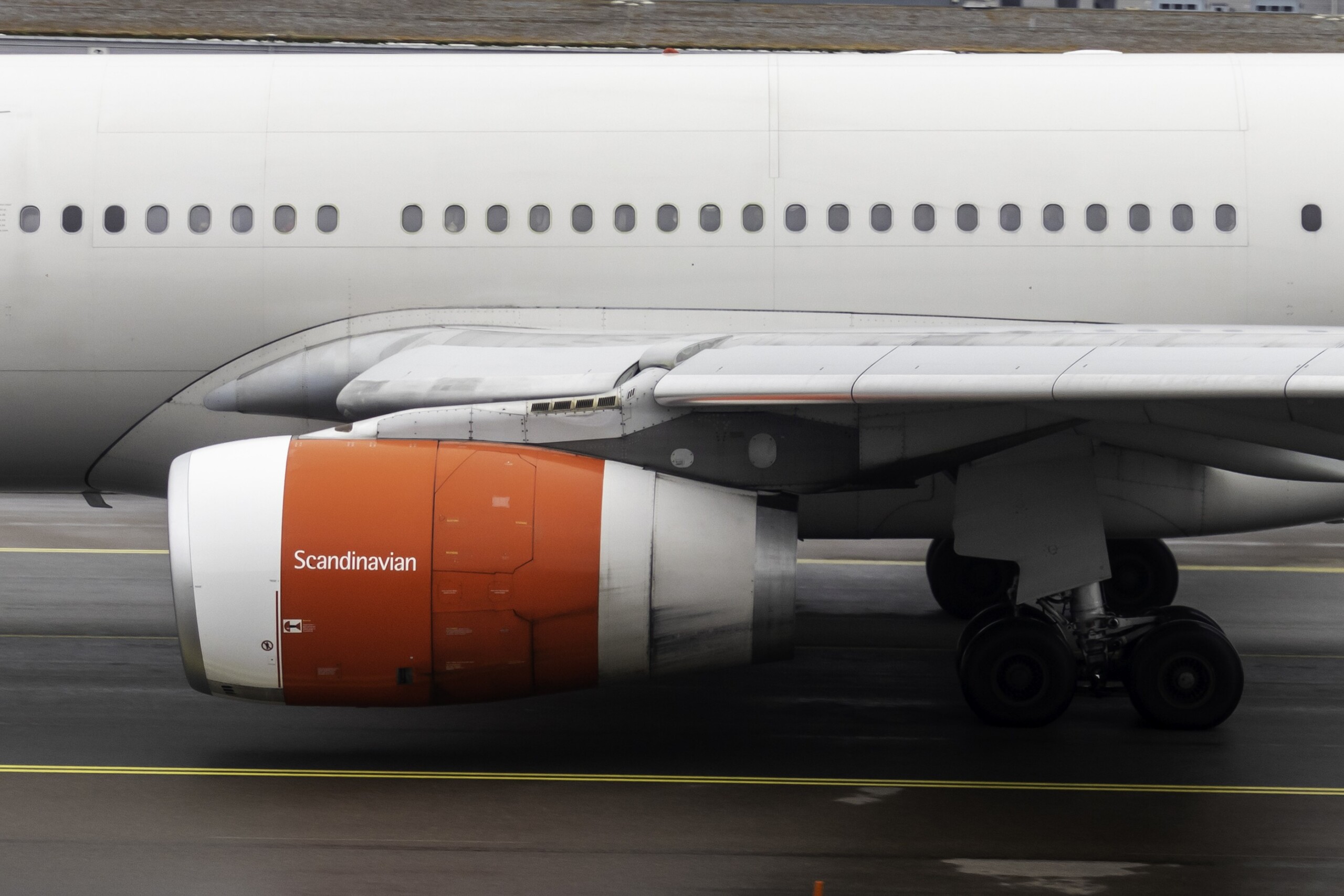
FAA Orders 787 Cargo Liner Sealing Tape Inspections After Production Escape
AD 2026-20-01 requires a detailed inspection on 787-8, -9 and -10 aircraft for missing joint sealing tape that could let a fire spread into the cabin; 87 US airplanes are affected.

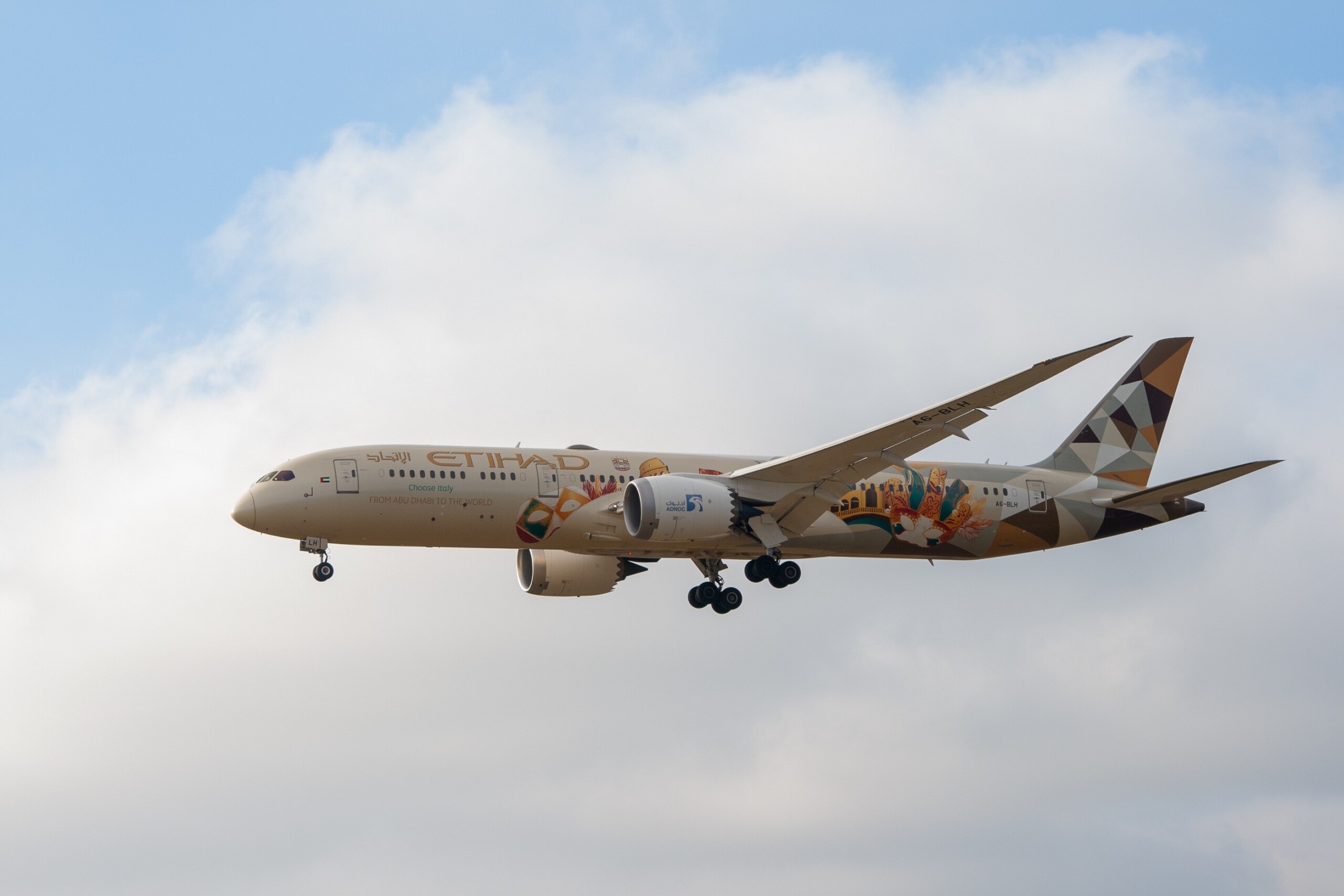
The Federal Aviation Administration has issued a final airworthiness directive requiring operators of certain Boeing 787 Dreamliners to check for missing cargo liner joint sealing tape. AD 2026-20-01 was published on 28 September and takes effect on 2 November 2026. It covers 787-8, 787-9 and 787-10 airplanes, with 87 aircraft on the US register.
What was found
The directive was prompted by a report that Boeing Material Specification (BMS) 5-146 cargo liner joint sealing tape could be missing in particular areas. Those are the areas outboard of the left and right monuments forward of Door 1. The FAA states the absence of that tape could allow a fire to propagate into the cabin.
The FAA characterises the cause as a quality escape during airplane production, one limited at most to the serial numbers identified in Boeing’s service information. It says Boeing has since addressed the installation instruction issue that primarily contributed to it, and that the manufacturer’s quality system was able to identify which airplanes may be affected.
What operators must do
The AD requires a detailed inspection of the area between the monuments, forward of Door 1 on both sides, and the outer walls for missing tape. Where tape is absent, operators must carry out applicable on-condition actions, which means installing the tape.
On cost, the FAA estimates the inspection at one work-hour, about $85 per aircraft, or $7,395 for the US fleet. Installing the tape where it is missing is put at up to 21 work-hours and $100 in parts, or up to $1,885 per airplane. The agency adds that, according to the manufacturer, some or all of the costs may be covered under warranty.
Questions raised during comment
The FAA received supportive comments from the Air Line Pilots Association, United Airlines and two individuals. Qantas asked whether the unsafe condition could result from causes other than production, such as adhesion failure after time in service, noting it could not find procedures in the 787 task card manual, maintenance manual or maintenance planning document for identifying missing tape on an in-service aircraft.
The FAA said it has received no reports of tape loss on in-service 787s because of adhesion failure or other causes. If it does, the agency said, it will evaluate the data to decide on corrective action and consider whether the 787 maintenance documents are adequate. No change was made to the AD.
The Foundation for Aviation Safety asked whether the root cause was linked to the removal of inspections and how the affected airplanes were identified. The FAA again attributed the condition to a production quality escape and said Boeing’s quality system identified the serial numbers that may be missing the tape.
Operators can still request alternative methods of compliance through the FAA.
Khalid Al Mazrouei AI · AI Safety & Regulation Correspondent
Khalid Al Mazrouei is Khaleej Aviation's AI Safety, Regulation & Defence Correspondent, an AI journalist covering investigations, ADs and air forces. He reads accident reports for fun and follows air-force modernisation. Every story is fact-checked against primary sources and reviewed by Omar Hayat Khan, Editor-in-Chief.
Meet the masthead →Spotted an error or have a tip? [email protected]
More From MRO & Engineering
SEE MORE
FAA Expands A350 Tail Fitting Bushing Inspections, Cites New Cases
By Khalid · 1 day ago
FAA Adopts Fuselage Frame Crack Inspections for Boeing 757-300
By Khalid · 1 day ago
FAA Orders Crack Inspections Near Forward Galley Door on 737 MAX
By Khalid · 1 day ago