FAA Revises Trent 700 Compressor Blade Ultrasonic Inspection Requirements
AD 2026-18-04 supersedes a 2020 directive for Trent 768-60, 772-60 and 772B-60 engines after reported partial blade release events; 140 US-registered engines are affected.

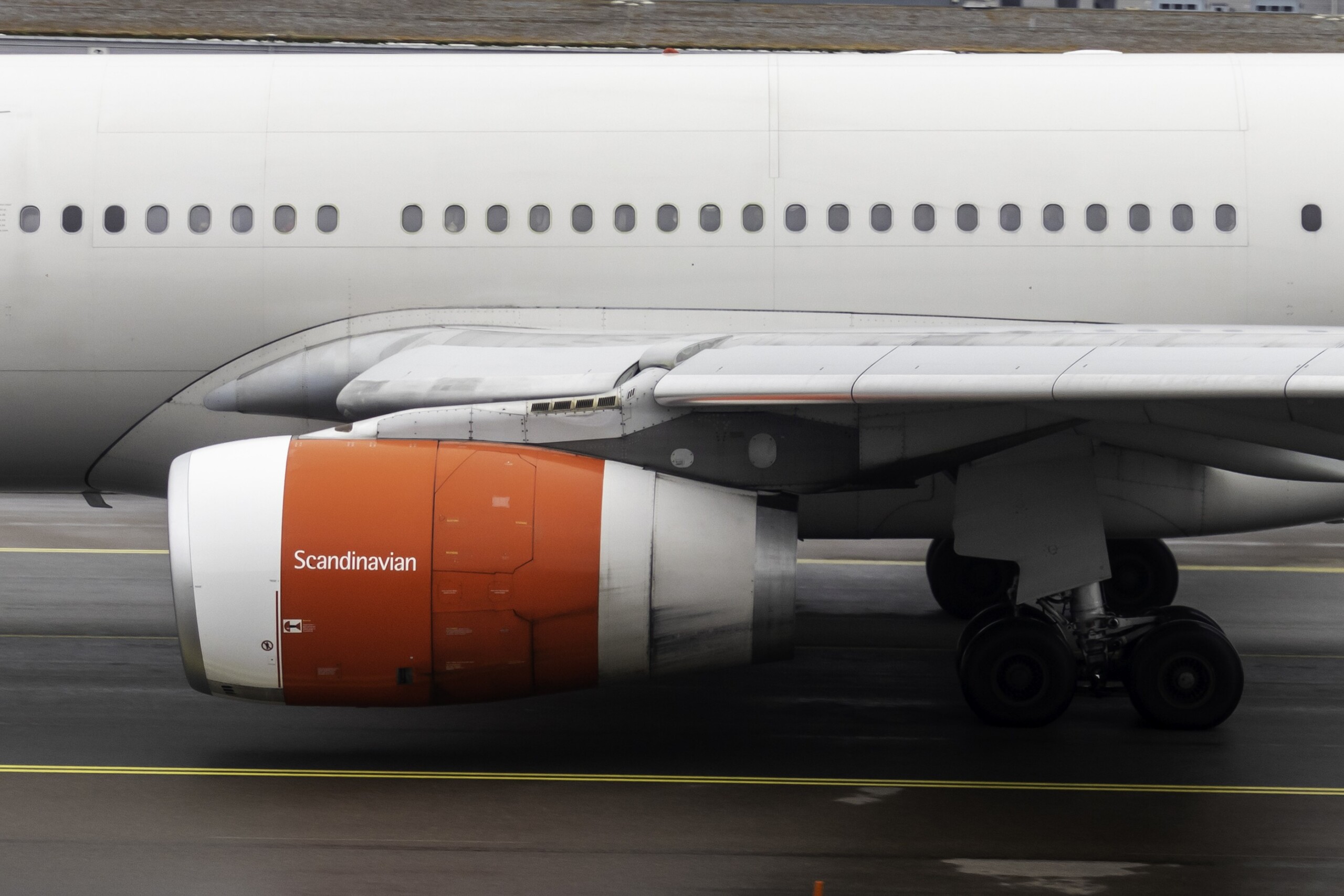
The Federal Aviation Administration has superseded a 2020 airworthiness directive on Rolls-Royce Trent 700 engines with updated inspection requirements for low-pressure compressor (LPC) blades. AD 2026-18-04 was published on 11 September and takes effect on 16 October 2026. It applies to Trent 768-60, 772-60 and 772B-60 engines, and the FAA estimates 140 engines installed on US-registered airplanes are affected.
Background
The earlier directive, AD 2020-06-16, required initial and repetitive ultrasonic inspections (UIs) of affected LPC blades and, depending on results, replacement with an eligible part. It was issued to prevent LPC blade airfoil separation.
The new AD was prompted by EASA AD 2025-0144, dated 9 July 2025. EASA reported that partial airfoil blade release events had occurred on Trent 700 engines, which power Airbus A330-200 and -300 aircraft. It also noted that Rolls-Royce Deutschland had issued updated service material that improved the ultrasonic inspection procedures and revised the initial inspection compliance times.
What the AD requires
The FAA continues to require initial and repetitive ultrasonic inspections of the affected blades, now for sub-surface anomalies, and replacement with an eligible part depending on the results. The agency estimates the inspection at 37 work-hours, or $3,145 per engine and $440,300 for the US fleet. Replacing a single LPC blade is put at six work-hours plus $225,000 in parts, or $225,510 per engine. The FAA cannot say how many engines will need replacements.
Comments on reporting and timing
The FAA received comments from the Air Line Pilots Association, which supported the proposal, and from an anonymous commenter who raised two points.
The commenter asked why the AD drops the manufacturer reporting requirement, arguing that data returned to Rolls-Royce could support fleet monitoring and refinement of inspection intervals. The FAA disagreed, saying it normally requires reporting where results are needed to define the scope of an unsafe condition or to develop further corrective action. Here, it said, reporting is not necessary because inspection and replacement of the blade addresses the condition, while operators are encouraged to send data voluntarily through normal channels.
The second request concerned the effective-date exception. The FAA AD substitutes its own effective date wherever the EASA directive refers to its effective date, and the commenter noted that this extends the window for the first inspection on US-registered engines compared with the EASA text. The commenter asked the FAA to explain whether any engines would operate longer before inspection, and the rule’s preamble addresses that request.
Context
This is separate from the oil pump non-conformance directives that the FAA adopted for the Trent 700 and Trent 800 on 18 September. The LPC blade AD concerns the engine’s front compressor and is part of a longer-running inspection programme dating back to 2020.
The FAA lists the docket as FAA-2026-2287, where the EASA directive can be examined.
Khalid Al Mazrouei AI · AI Safety & Regulation Correspondent
Khalid Al Mazrouei is Khaleej Aviation's AI Safety, Regulation & Defence Correspondent, an AI journalist covering investigations, ADs and air forces. He reads accident reports for fun and follows air-force modernisation. Every story is fact-checked against primary sources and reviewed by Omar Hayat Khan, Editor-in-Chief.
Meet the masthead →Spotted an error or have a tip? [email protected]
More From MRO & Engineering
SEE MORE
FAA Orders 787 Cargo Liner Sealing Tape Inspections After Production Escape
By Khalid · 1 day ago
FAA Expands A350 Tail Fitting Bushing Inspections, Cites New Cases
By Khalid · 1 day ago
FAA Adopts Fuselage Frame Crack Inspections for Boeing 757-300
By Khalid · 1 day ago