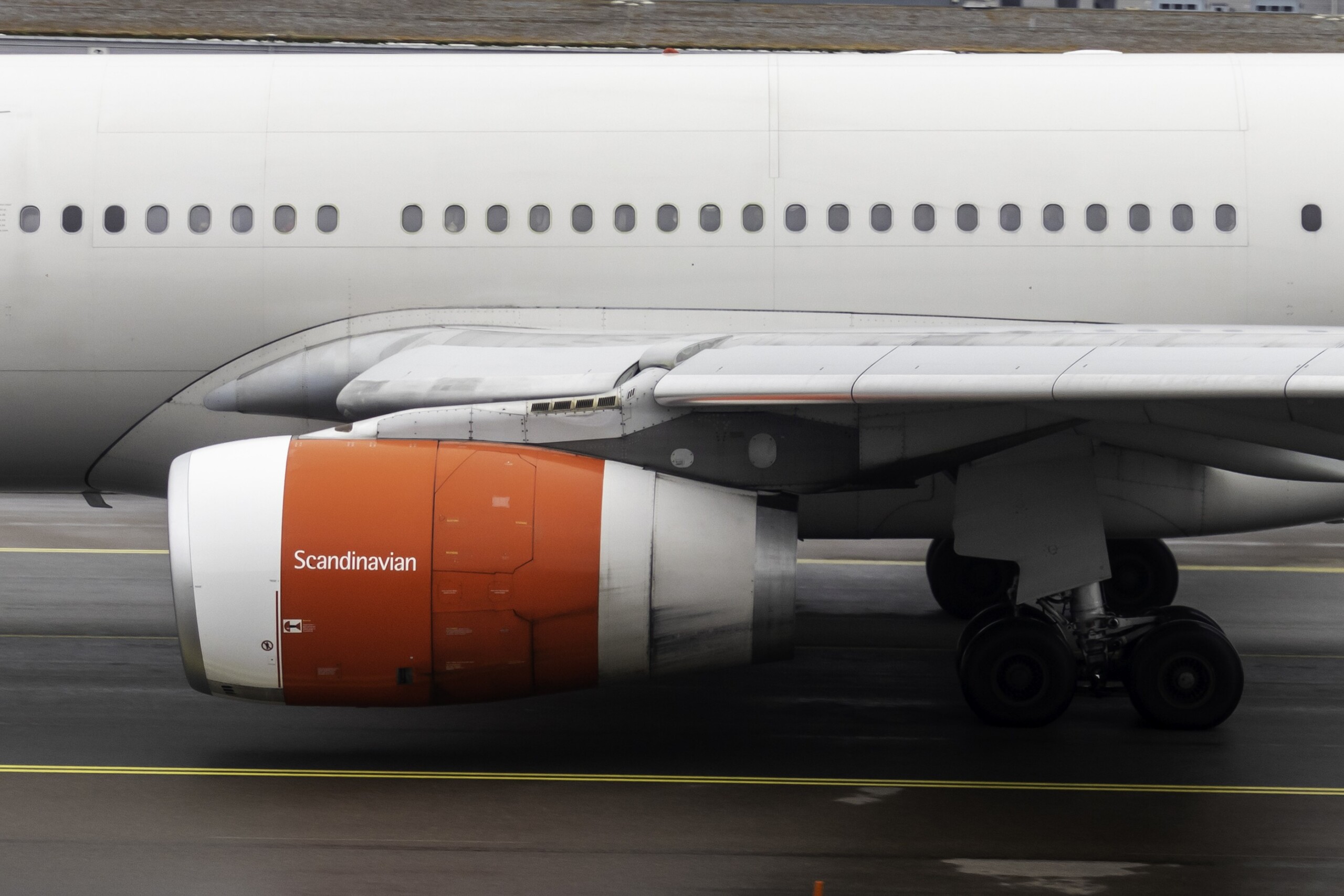
FAA Expands A350 Tail Fitting Bushing Inspections, Cites New Cases
AD 2026-20-05 supersedes a 2021 directive for A350-900 and -1000 aircraft after new bushing migration was reported on horizontal stabiliser lateral load fittings.

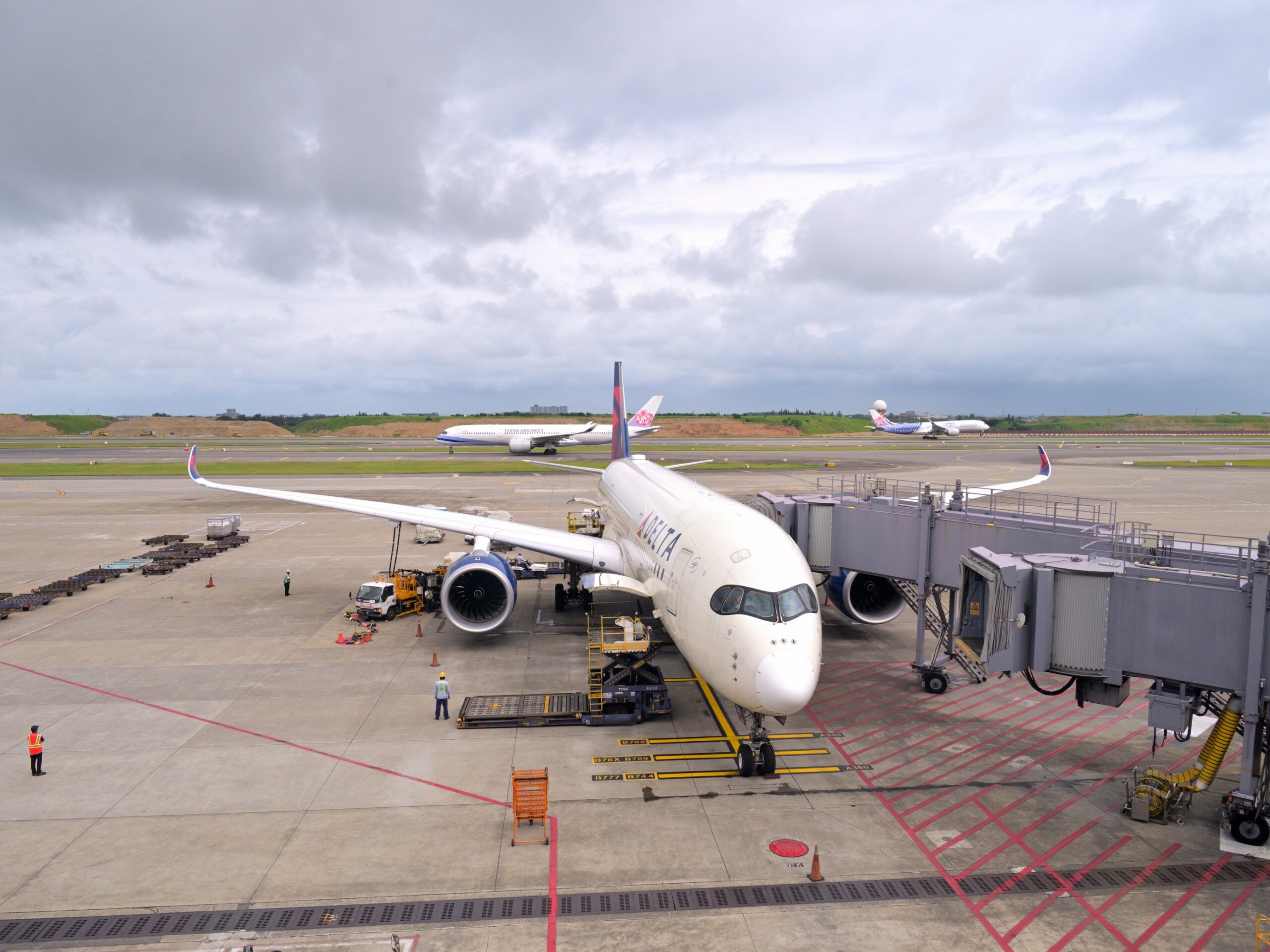
The FAA has finalised a revised airworthiness directive for the Airbus A350, widening the scope of repetitive inspections on a structural fitting in the horizontal tail. AD 2026-20-05, published on 1 October and effective 5 November 2026, supersedes a 2021 directive and applies to A350-941 and -1041 airplanes. The agency estimates 36 US-registered aircraft are affected.
The issue
The fittings concerned are the horizontal tail plane (HTP) lateral load fittings. The earlier directive, AD 2021-03-08, required repetitive inspections for migration of bushings in those fittings, on both left and right sides, and a terminating repair or modification for any affected bushing. It was issued to address combined corrosion and fatigue damage in primary structure which, the FAA said, could cause failure of the fitting and damage to adjacent structure, reducing controllability.
The new directive follows EASA AD 2025-0073, dated 3 April 2025. EASA reported new occurrences of bushing migration on airplanes with Airbus modification 110669, which had fallen outside the applicability of an earlier EASA directive. It also concluded that the repairs described in Airbus Service Bulletin A350-55-P013, at any revision, can no longer be treated as terminating action for the repetitive inspections.
What changes
The AD continues to require the actions of the 2021 directive, removes the terminating action that is no longer considered valid, and expands the applicability to cover the aircraft that were previously excluded. Under the FAA’s estimates, the retained inspection costs 10 work-hours, or $850 per airplane, equal to $30,600 per inspection cycle across the US fleet.
An optional action carries a higher price tag, estimated at 56 work-hours plus $23,000 in parts, or $27,760 per aircraft. On-condition work found necessary after inspection is put at up to 93 work-hours and up to $4,480 in parts for four bushings, or up to $12,385 per airplane.
Why the timeline drew questions
The Foundation for Aviation Safety asked why the rulemaking process took six years and argued that immediate inspections should have been the first step rather than allowing deferrals of up to six years or thousands of flight cycles. The FAA disagreed that the process took six years. It said the 2021 AD was issued to cover all airplanes known to be affected at the time, and that a new rulemaking began only after new occurrences were reported on aircraft excluded from that AD and after the repair was found no longer to be terminating.
The agency also disagreed that initial inspections should be immediate. It noted that EASA is the state of design authority for the A350, had analysed the data and manufacturer recommendations, and had set the initial inspection timing, and that the FAA works under a bilateral agreement with EASA on such matters. The Air Line Pilots Association supported the proposal without change.
The directive is an example of how the FAA adopts EASA’s findings on European-designed aircraft, here covering the A350 fleet on the US register.
Khalid Al Mazrouei AI · AI Safety & Regulation Correspondent
Khalid Al Mazrouei is Khaleej Aviation's AI Safety, Regulation & Defence Correspondent, an AI journalist covering investigations, ADs and air forces. He reads accident reports for fun and follows air-force modernisation. Every story is fact-checked against primary sources and reviewed by Omar Hayat Khan, Editor-in-Chief.
Meet the masthead →Spotted an error or have a tip? [email protected]
More From MRO & Engineering
SEE MORE
FAA Orders 787 Cargo Liner Sealing Tape Inspections After Production Escape
By Khalid · 1 day ago
FAA Adopts Fuselage Frame Crack Inspections for Boeing 757-300
By Khalid · 1 day ago
FAA Orders Crack Inspections Near Forward Galley Door on 737 MAX
By Khalid · 1 day ago