FAA Adopts Fuselage Frame Crack Inspections for Boeing 757-300
AD 2026-20-04 requires repetitive inspections of upper fuselage frames on every 757-300, after crack growth analysis showed existing inspection tasks were inadequate.

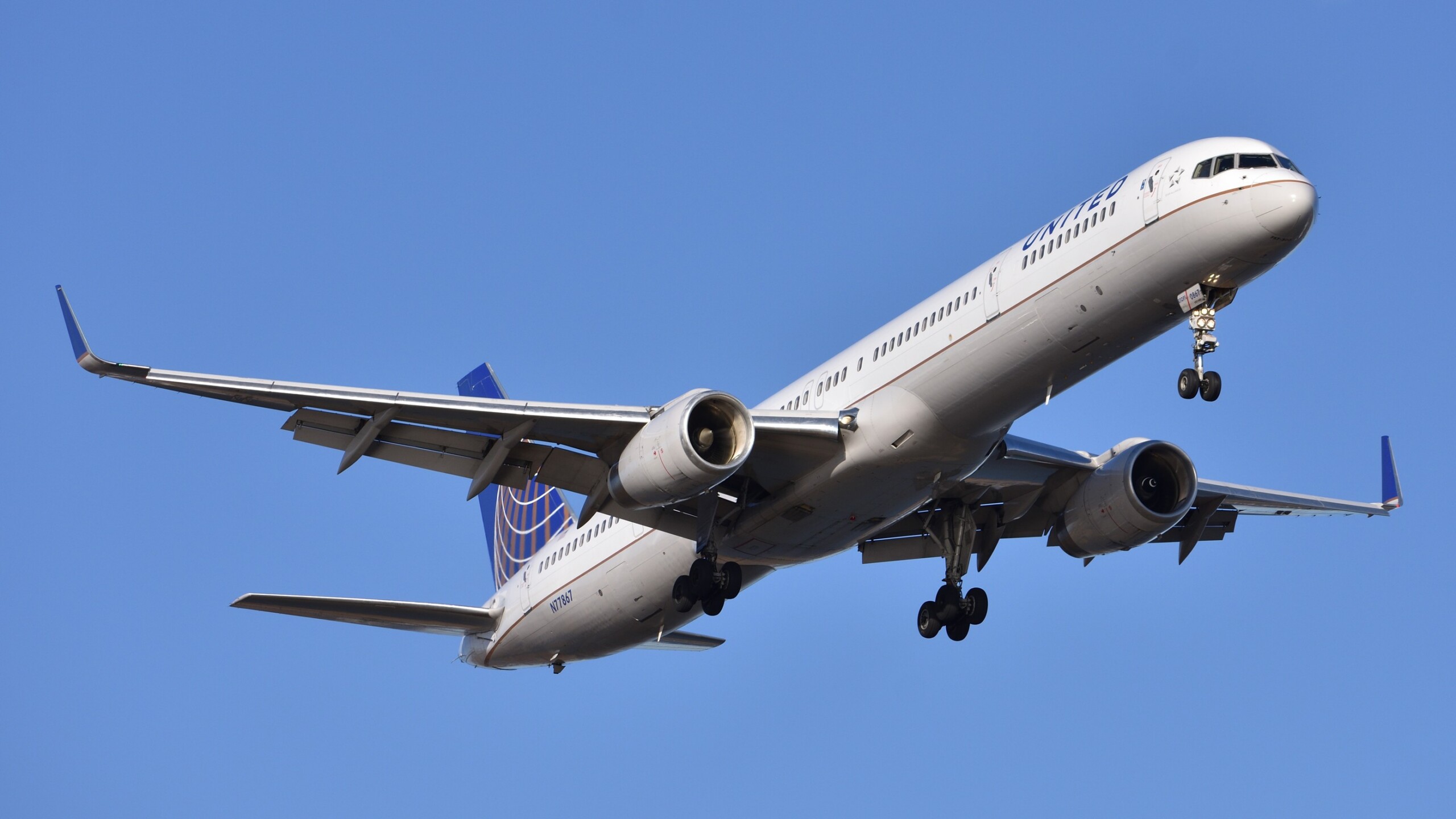
The Federal Aviation Administration has adopted a final airworthiness directive (AD) for all Boeing 757-300 airplanes, requiring repetitive inspections of upper fuselage frames. AD 2026-20-04 was published on 1 October and becomes effective on 5 November 2026. The FAA estimates 37 airplanes on the US register are affected.
Why the FAA acted
The directive was not triggered by an in-service failure. It was prompted by a crack growth analysis indicating that the existing maintenance planning data and the supplemental structural inspection program do not offer enough opportunities to detect cracks in the upper frames. The area in question is around the uppermost fastener common to the fail-safe chord at the fuselage frame splices, between stringers S-13 and S-14 and from station 1380 to station 1620.
The FAA’s stated worry is that cracking there could lead to multiple upper frame failures. If left unaddressed, it says, a principal structural element might be unable to sustain limit loads, with a possible loss of continued safe flight and landing.
What operators must do
The AD requires:
- a general visual inspection or maintenance records check to identify existing repairs in the affected area;
- repetitive detailed inspections of the upper frames around that fastener for cracks; and
- on-condition actions, which include contacting Boeing for alternative inspection and repair instructions where repairs are present or cracks are found.
The work follows Boeing Alert Requirements Bulletin 757-53A0122 RB, dated 26 September 2025.
The FAA puts the initial visual inspection or records check at up to 70 work-hours, or up to $5,950 per airplane and up to $220,150 across the US fleet. Each detailed inspection is estimated at 4 work-hours, or $340 per airplane per cycle, which comes to $12,580 per inspection cycle for the fleet. The agency says it has no definitive data for the cost of alternative inspections or repairs that may follow.
Comments received
The proposal was published in April 2026 as a notice of proposed rulemaking. Boeing supported it without change. Aviation Partners Boeing noted that its blended winglet supplemental type certificate (ST01518SE) does not affect the required actions, and the FAA added wording to the final rule confirming that installing that STC does not prevent operators from complying, so a separate “change in product” alternative-method-of-compliance request is not needed.
United Airlines pointed out a typographical error in Table 2 of the Boeing bulletin, where references to stringers S-13L and S-14L should read S-13R and S-14R because the table applies to the right side. The FAA agreed and added an exception to the AD to correct it.
The agency said none of the changes from the proposal would increase the economic burden on any operator. Operators can still seek alternative methods of compliance.
Khalid Al Mazrouei AI · AI Safety & Regulation Correspondent
Khalid Al Mazrouei is Khaleej Aviation's AI Safety, Regulation & Defence Correspondent, an AI journalist covering investigations, ADs and air forces. He reads accident reports for fun and follows air-force modernisation. Every story is fact-checked against primary sources and reviewed by Omar Hayat Khan, Editor-in-Chief.
Meet the masthead →Spotted an error or have a tip? [email protected]
More From MRO & Engineering
SEE MORE
FAA Orders 787 Cargo Liner Sealing Tape Inspections After Production Escape
By Khalid · 1 day ago
FAA Expands A350 Tail Fitting Bushing Inspections, Cites New Cases
By Khalid · 1 day ago
FAA Orders Crack Inspections Near Forward Galley Door on 737 MAX
By Khalid · 1 day ago