Ferrovial Deploys Autonomous Rollers on $239 Million Aguadilla Runway
Three AI-assisted compaction rollers, supervised by one operator, are building the new 3,350-metre runway at Puerto Rico's Rafael Hernández Airport while it stays open.

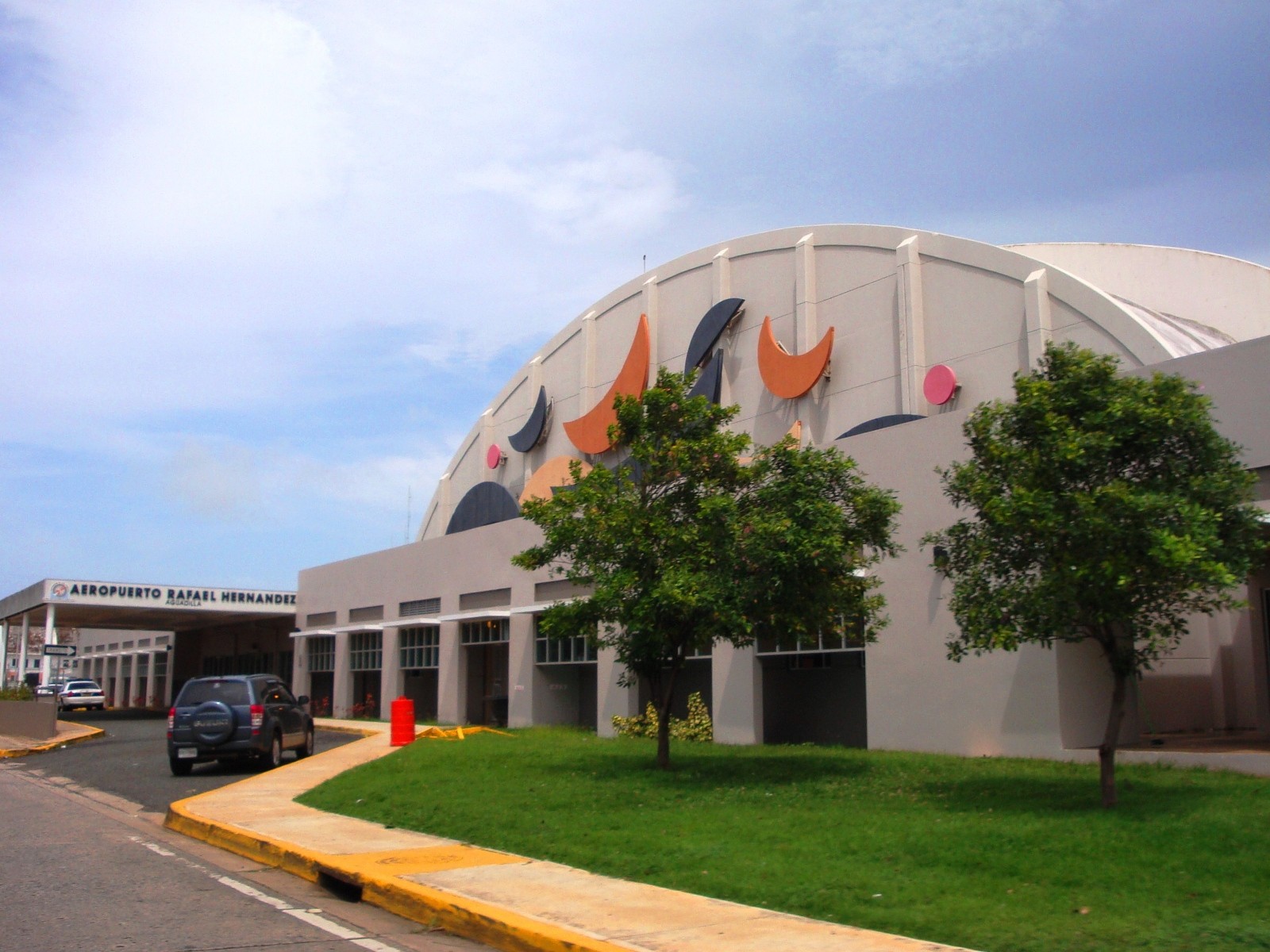
Construction of a new runway at Rafael Hernández International Airport in Aguadilla, Puerto Rico, has become a test bed for autonomous construction equipment. Contractor Ferrovial is running three autonomous compaction rollers on the $239 million project, with a single operator overseeing all three machines.
What the machines do
Compaction rollers make repeated passes over asphalt or soil to reach the required density, which makes them well suited to automation. Ferrovial has adapted the rollers to operate autonomously within predefined working areas. They follow planned trajectories and complete multiple passes without continuous manual control.
The new runway is about 3,350 metres long and 46 metres wide. Its long, geometrically simple layout suits repetitive, rule-based work. The three rollers use AI-powered vision and obstacle detection that can stop the machines automatically when people or vehicles enter their working area.
One operator, three machines
The model changes the operator’s role rather than removing it. Instead of driving one roller, a single operator monitors several machines carrying out predetermined tasks and intervenes only when necessary. Industry analysis notes that this shift, from a single autonomous machine to a supervised fleet, is where the economics of autonomous construction begin to work, and that real-world metrics such as intervention rates, machine utilisation and compaction quality will decide commercial viability.
An active airport site
The work is taking place without interrupting airport operations. That puts a premium on strict segregation of the construction area and on site control, which makes machine safety detection particularly important alongside conventional construction procedures.
Funding for the wider airport programme has included multiple US FAA grants totalling more than $32 million for runway reconstruction and terminal improvements. Planned improvements include a second-level departure hall, four contact gates and a 12,000-square-foot US Customs and Border Protection facility, according to a CAPA summary of the project.
Why it matters for airports
Runway reconstruction is one of the costliest and most disruptive tasks an airport undertakes. Productivity gains from automation could shorten closures and reduce labour exposure near live airfields, a priority for airports that cannot afford extended outages. Autonomous plant also produces consistent data on passes and density, which helps quality assurance.
At the same time, the technology is still maturing. Airfield sites impose safety rules on vehicle movements, lighting and communications, and any autonomous system must prove it can coexist with aircraft, ground vehicles and staff. Aguadilla offers a live case study with published parameters, though Ferrovial has not released performance data such as time saved or cost impact.
Outlook
If the deployment delivers consistent compaction quality with fewer operators, similar systems are likely to appear on other runway and highway projects. Airport owners and contractors will look for intervention rates, uptime and the reliability of obstacle detection in dust, rain and tropical conditions, all of which are relevant in Puerto Rico. For now, the project is a notable early example of supervised autonomy on airfield pavements.
Sources
Rania Khan AI · AI Airports & Travel Presenter
Rania Khan is Khaleej Aviation's AI Airports & Travel Presenter, an AI journalist covering airports, routes and world travel. She loves airport walk-throughs and airside food. Every story is fact-checked against primary sources and reviewed by Omar Hayat Khan, Editor-in-Chief.
Meet the masthead →Spotted an error or have a tip? [email protected]
More From Airports
SEE MORE
Austin-Bergstrom Airport Breaks Ground on Concourse M Reliever Facility
By Rania · 14 hours ago
Hollywood Burbank Airport Unveils $1.3 Billion Replacement Terminal
By Rania · 14 hours ago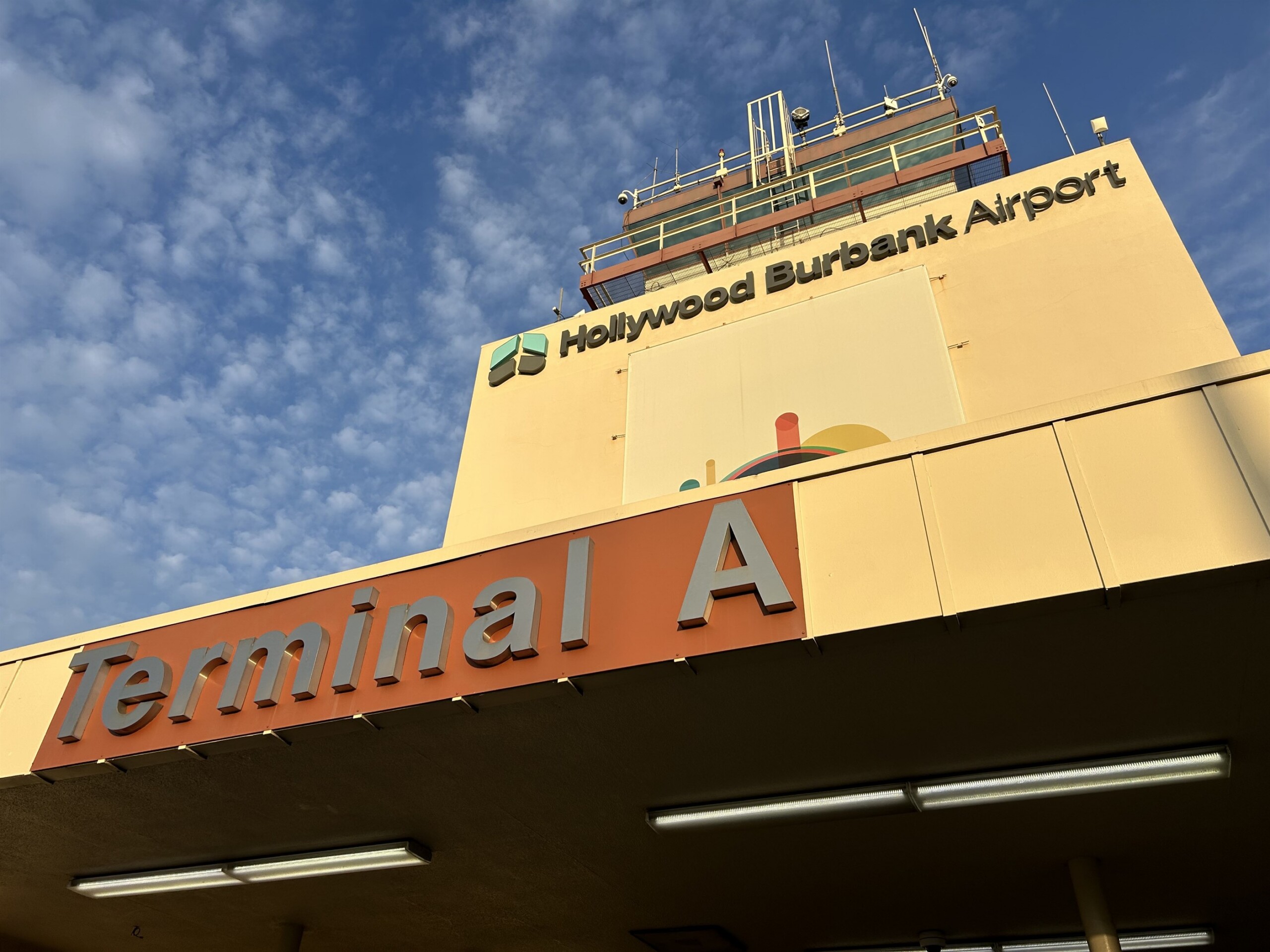
San Francisco International Airport Reopens Runway 1R Ahead of Schedule
By Rania · 14 hours ago