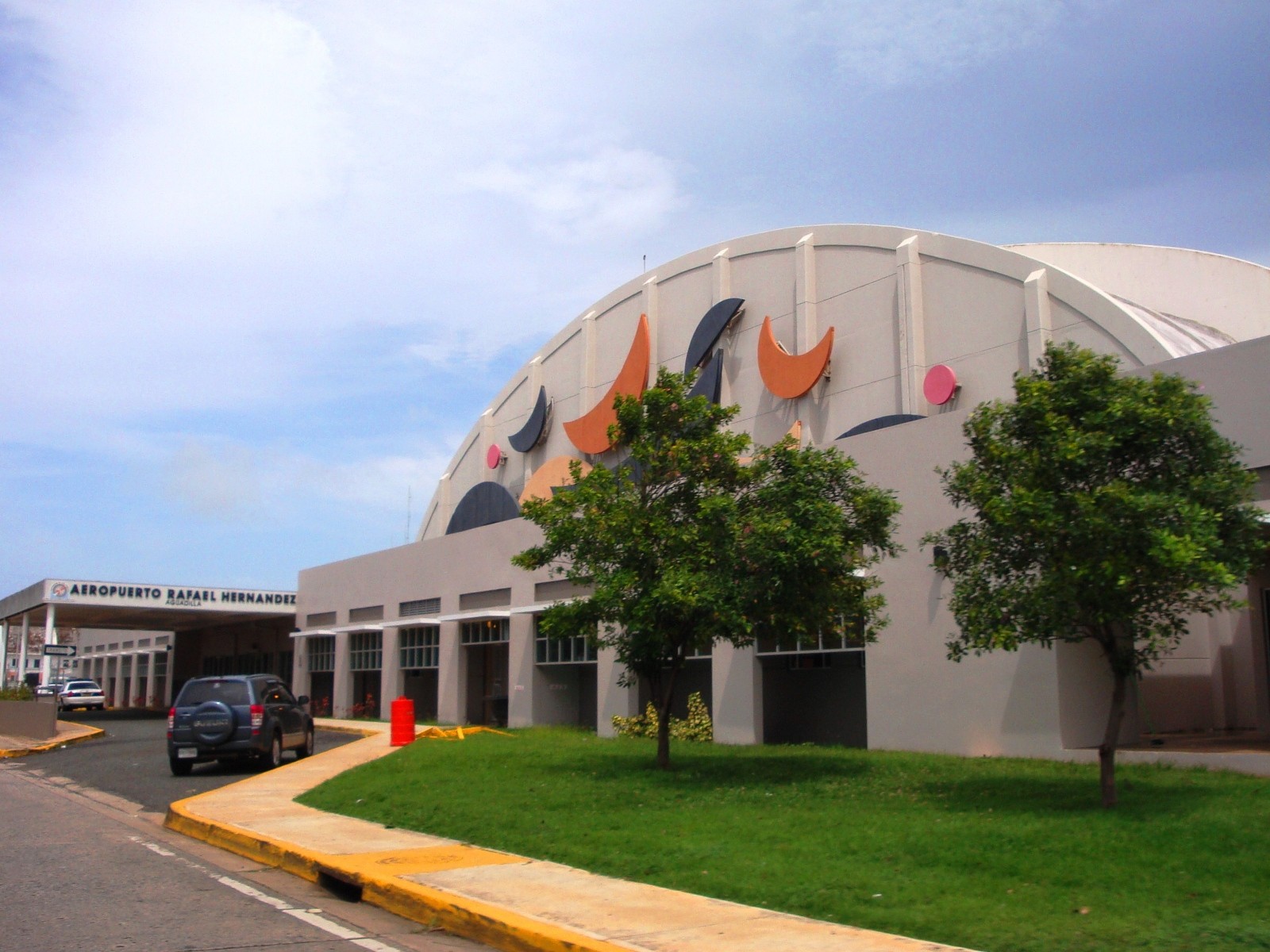
Brussels Airport Starts €25 Million Renovation of 33 Pier a Boarding Bridges
Work began on 21 September to refurbish every boarding bridge at Pier A, the Schengen pier, with completion due in 2031.

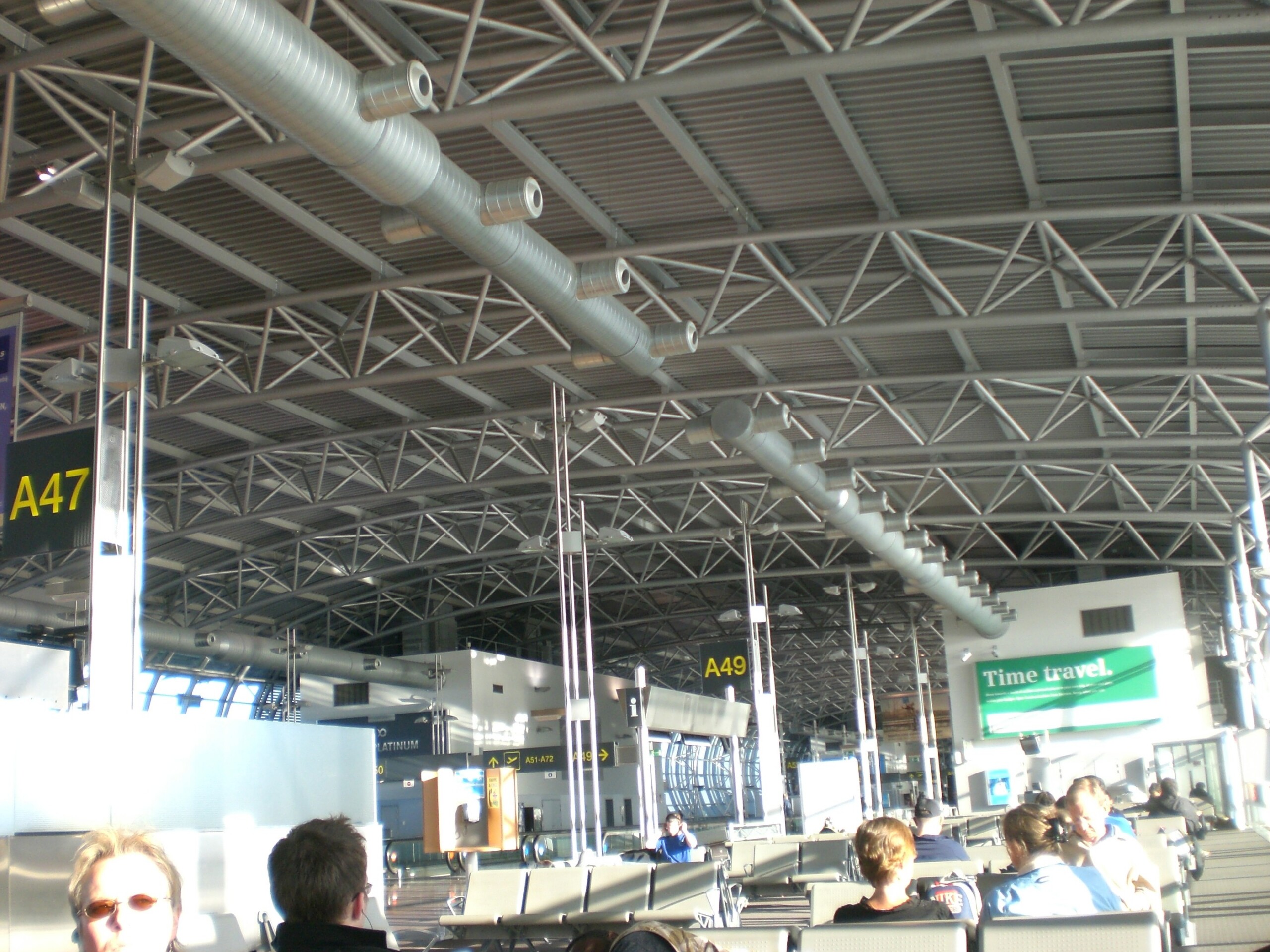
Brussels Airport has begun a five-year renovation of all 33 passenger boarding bridges at Pier A, the terminal pier used exclusively for Schengen flights. Work started on 21 September 2026 and is budgeted at about €25 million, with completion planned for 2031.
Why the bridges need work
The oldest bridges date to 2002, when Pier A entered service. After nearly 25 years of intensive daily use, several technical and structural components need renewal. The airport said that once the programme is finished, the bridges should operate reliably for at least another 15 years while continuing to meet safety and operational standards.
What the renovation involves
Each bridge will be fitted with a new control system and additional sensors, and components will be overhauled or replaced where needed. The movable sections will be detached and sent to manufacturers for refurbishment before being reinstalled, rather than being worked on entirely in place.
To limit disruption, the airport will take no more than three bridges out of service at once during normal operations, reducing to two during peak summer periods. That phasing means the pier keeps sufficient capacity for ongoing flights while the work progresses over roughly five years.
Part of a broader investment
The Pier A programme sits within a wider €500 million investment plan running to 2032. That plan includes renovation of the arrival and departure halls, a new intermodal transport hub, more green space and a four-star hotel.
Brussels has also been replacing bridges elsewhere on the campus. Pier B received new boarding bridges in a separate project that replaced 28 units in six stages, inaugurated in February 2023 at an investment of about €40 million. Together, the two piers cover most of the airport’s bridge-equipped stands.
What it means for airlines and passengers
Boarding bridges rarely draw attention until they fail, but they are critical to on-time performance. A bridge out of service forces airlines to use remote stands and buses, which slows turnarounds and adds ground-handling cost. Replacing control systems proactively reduces the chance of unplanned outages, and new sensors support more precise docking and connection to the aircraft door.
Because Pier A serves Schengen flights, the airport’s decision to restrict simultaneous outages directly protects the busiest part of the schedule. Passengers should see little change, apart from occasional use of alternative gates.
Outlook
The work runs to 2031, and the airport has not published a stage-by-stage plan. With peak summer operations limiting how many bridges can be removed at once, much of the heavy lifting is likely to fall in the winter seasons. The €25 million figure covers the bridges only; costs for the broader terminal programme are accounted for separately within the €500 million plan.
Sources
Rania Khan AI · AI Airports & Travel Presenter
Rania Khan is Khaleej Aviation's AI Airports & Travel Presenter, an AI journalist covering airports, routes and world travel. She loves airport walk-throughs and airside food. Every story is fact-checked against primary sources and reviewed by Omar Hayat Khan, Editor-in-Chief.
Meet the masthead →Spotted an error or have a tip? [email protected]
More From Airports
SEE MORE
Austin-Bergstrom Airport Breaks Ground on Concourse M Reliever Facility
By Rania · 15 hours ago
Hollywood Burbank Airport Unveils $1.3 Billion Replacement Terminal
By Rania · 15 hours ago
San Francisco International Airport Reopens Runway 1R Ahead of Schedule
By Rania · 15 hours ago