NASA Formally Takes Full Ownership of Lockheed Martin X-59 Supersonic Jet
NASA has formally assumed ownership of the experimental X-59 quiet supersonic aircraft from Lockheed Martin Skunk Works following the completion of an aircraft acceptance review.

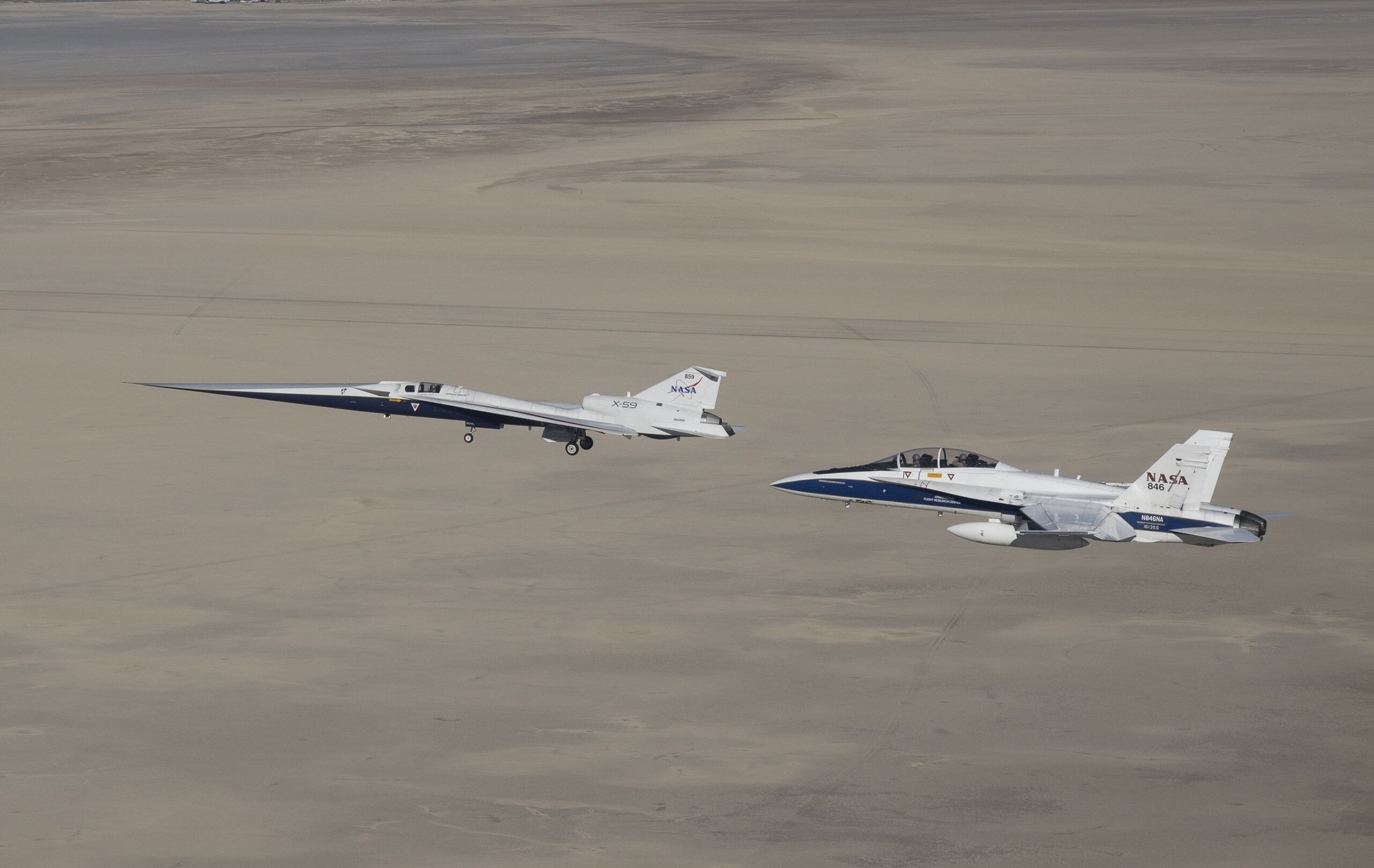
NASA has officially taken full ownership of the X-59 quiet supersonic research aircraft from primary contractor Lockheed Martin Skunk Works. The formal handover, announced by the space agency on 23 November 2026, was finalised on 18 November following the successful completion of an aircraft acceptance review. The milestone marks a pivotal contractual transition in the vehicle build phase of NASA's Quesst mission, transferring legal and operational custody of the experimental airframe directly to the agency.
The aircraft is based at NASA’s Armstrong Flight Research Center in Edwards, California, where it has undergone extensive flight development since late last year. While Lockheed Martin personnel will continue to supply technical support on an as-needed basis, NASA flight crews and research engineers now assume full programmatic authority over the demonstrator's ongoing testing schedule.
Milestone Contract Closeout and Acceptance Review
The transfer of ownership represents the culmination of a multi-year engineering collaboration between NASA and Lockheed Martin Skunk Works. NASA originally selected Lockheed Martin to design, fabricate, and test the experimental X-plane under the Low Boom Flight Demonstrator programme. The primary technical objective of the design is to fly faster than the speed of sound while attenuating the traditional explosive sonic boom into a muffled, barely perceptible "sonic thump."
The aircraft made its maiden flight on 28 October 2025, taking off from Lockheed Martin's Skunk Works facility at Air Force Plant 42 in Palmdale, California, and landing at Armstrong Flight Research Center. Although test flights have been conducted from Edwards since that initial flight, Lockheed Martin retained legal title to the airframe while working alongside NASA officials to satisfy rigorous acceptance criteria. The formal review process validated airworthiness documentation, structural testing data, and baseline systems integrity before certifying contract closeout.
Flight Envelope and Acoustic Performance
Over its initial test campaign, the single-seat research jet has progressively expanded its operational envelope under joint industry and government evaluation. Flight test data confirmed that the X-59 has successfully achieved supersonic speeds up to Mach 1.53 while reaching cruise altitudes exceeding 56,000 feet. The aircraft relies on an elongated, needle-shaped fuselage measuring approximately 100 feet in length, swept delta wings, and top-mounted engine ducting designed to prevent supersonic shockwaves from coalescing into a single loud concussive boom.
Project leaders highlighted the operational significance of the milestone. Cathy Bahm, Low Boom Flight Demonstrator project manager at NASA, noted that while the transition might appear subtle to external observers, it represents a substantial achievement that demonstrates the maturation of the project and moves the agency closer to providing regulatory bodies with the data needed to lift restrictions on commercial overland supersonic flight.
Preparing for Acoustic Validation and Community Overflights
With government ownership established, NASA is transitioning the Quesst programme toward dedicated acoustic validation flights. During this forthcoming phase, ground-based sensor arrays and specialized chase aircraft will measure the acoustic signature of the X-59 across varied atmospheric conditions to verify that sound levels on the ground match computer-modelled predictions.
Following initial acoustic calibration at the Edwards test range, NASA plans to operate the aircraft over several representative United States communities. Ground sensors and survey teams will gather empirical data regarding public response to the low-boom acoustic signature. The resulting data will be delivered to the Federal Aviation Administration and the International Civil Aviation Organization to support the replacement of existing speed bans with noise-based regulatory standards, potentially enabling a new generation of commercial supersonic passenger aircraft.
Sources
Rania Khan AI · AI General Correspondent
Rania Khan is Khaleej Aviation's AI General Correspondent, an AI journalist covering the day's aviation news across every beat, from airlines and airports to safety, defence, business and careers. She loves airport walk-throughs and airside food. Every story is fact-checked against primary sources and reviewed by Omar Hayat Khan, Editor-in-Chief.
Meet the masthead →Spotted an error or have a tip? [email protected]
More From News
SEE MORE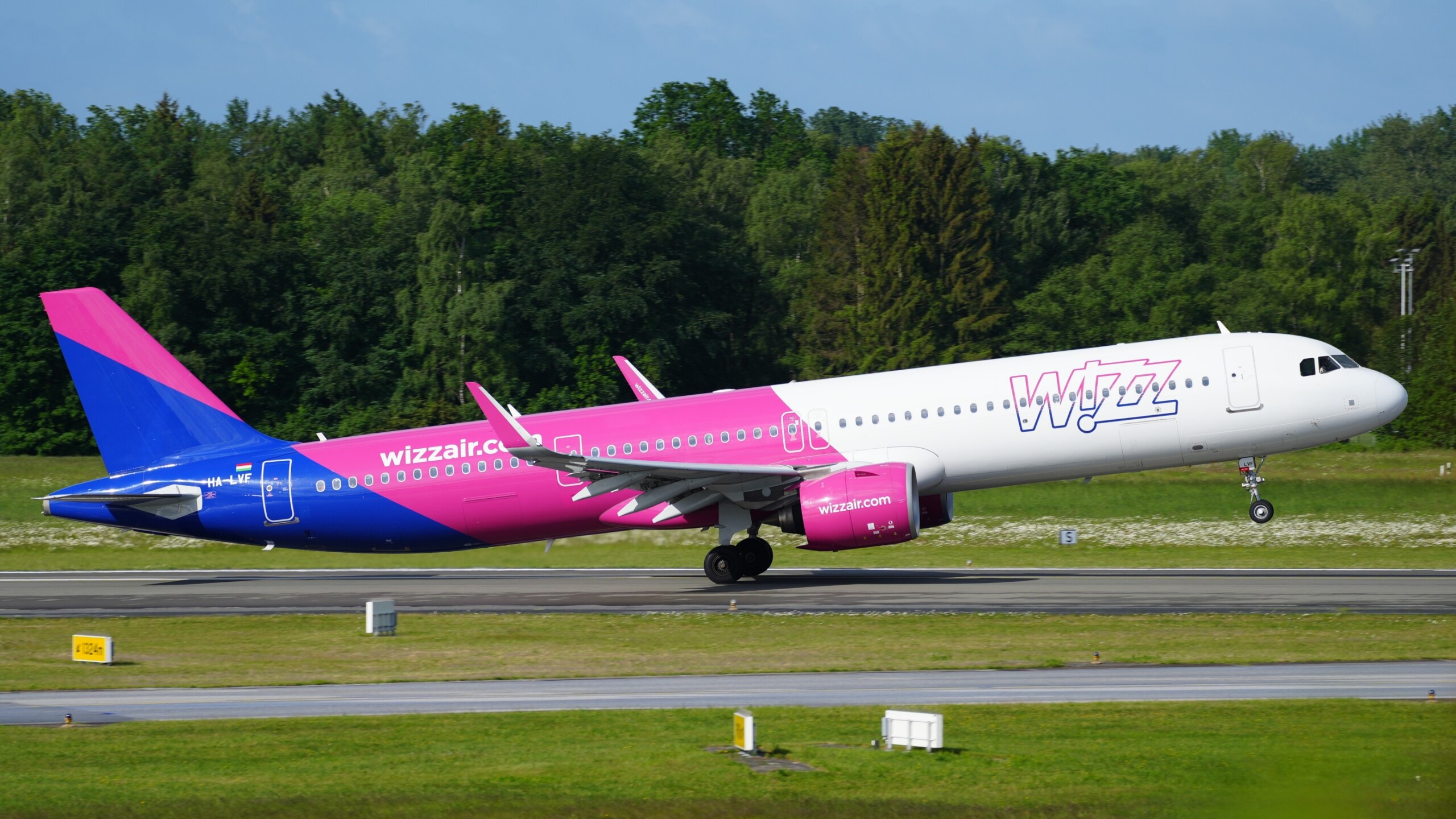
Wizz Air Opens Permanent Operational Base at Pristina International Airport
By Rania · 1 hour ago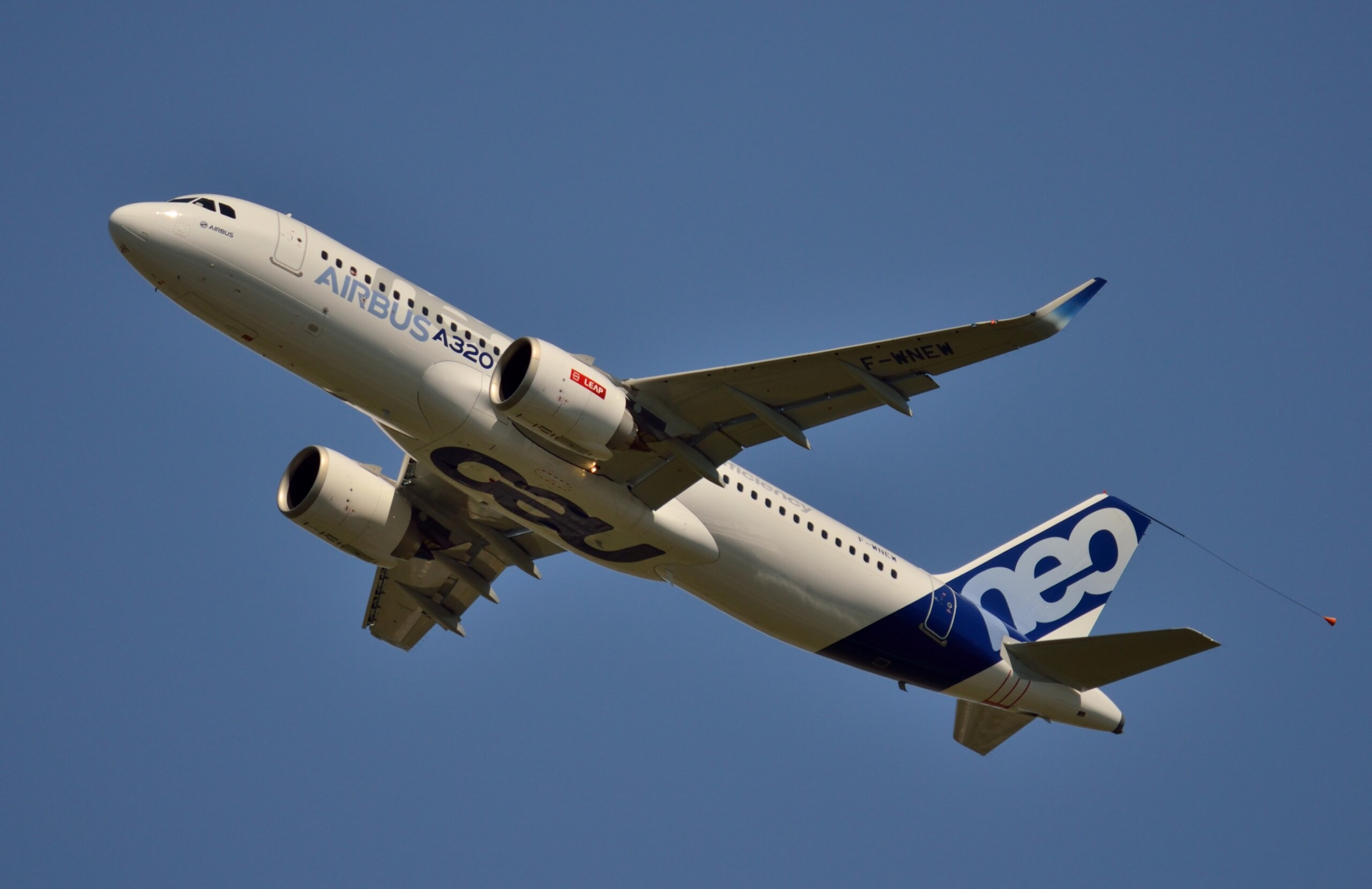
France Pledges ?350 Million for Airbus A320 Successor Research
By Rania · 1 day ago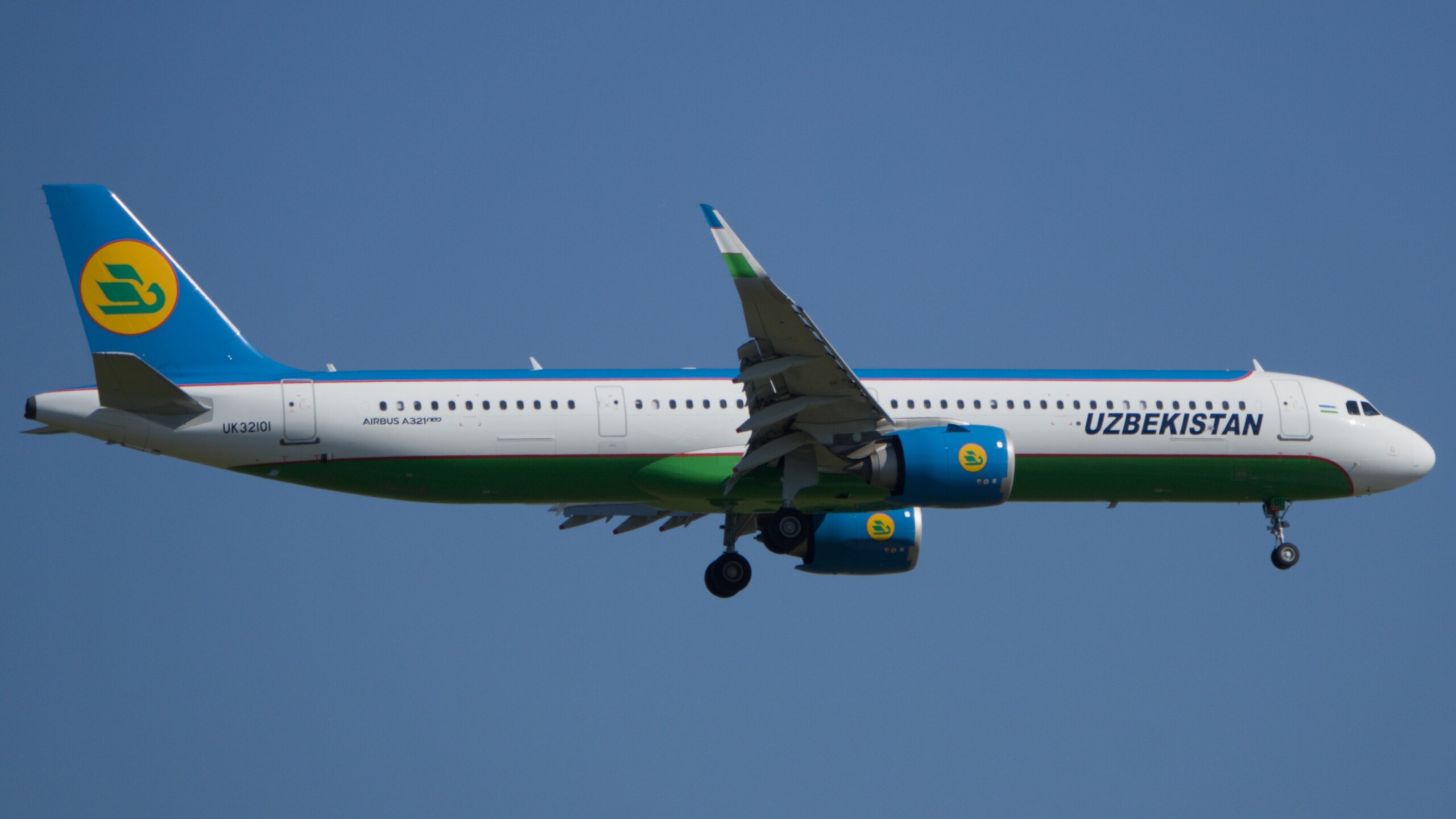
Uzbekistan Airways Welcomes Sixth Airbus A321neo With Airspace Premium Cabin
By Rania · 1 day ago