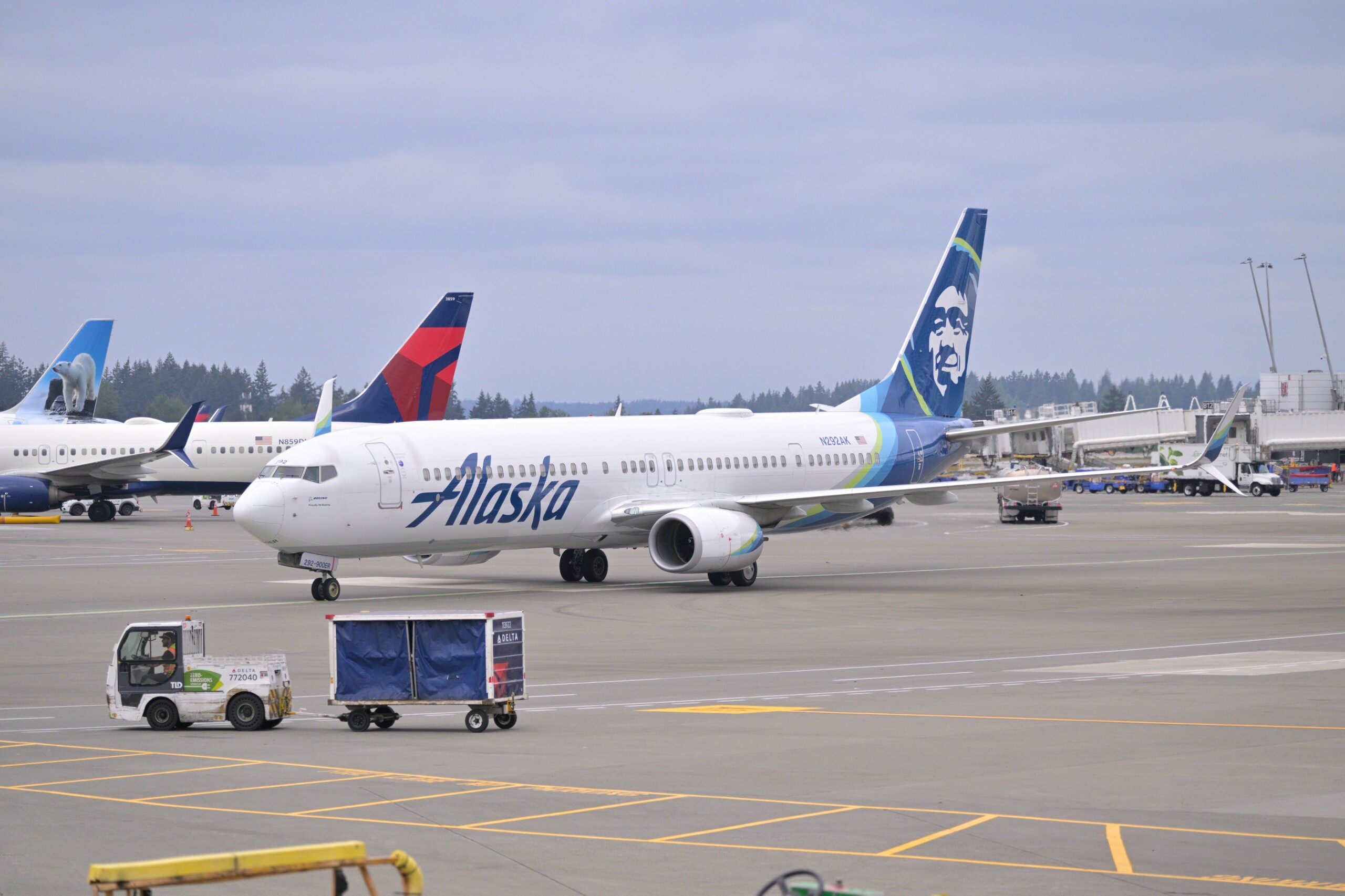
Wizz Air Opens Permanent Operational Base at Pristina International Airport
Wizz Air has established a permanent operational base at Pristina International Airport, stationing an Airbus A321neo and launching eight European routes.

Wizz Air has officially commenced operations from a newly established permanent base at Pristina Adem Jashari International Airport in Kosovo. The ultra-low-cost carrier has permanently stationed an Airbus A321neo at the capital gateway, marking a significant transition from away-based flying to dedicated on-site aircraft and local crew deployments. The milestone was accompanied by immediate service launches to Basel-Mulhouse and Karlsruhe/Baden-Baden, anchoring an eight-route winter expansion programme.
Airport concessionaire Limak Kosovo International Airport and airline leadership confirmed that a second 239-seat Airbus A321neo will join the Pristina base in summer 2027. The fleet expansion will double the carrier's locally stationed seat capacity, establishing Pristina as a primary strategic node for low-fare connectivity across south-eastern Europe.
Dedicated Aircraft and Network Expansion
The establishment of the operational base represents a major evolution in Wizz Air's presence in Kosovo, where it has operated scheduled services since April 2017. Historically, the airline served Pristina exclusively using rotational flights operated by aircraft based at Western European stations, including Vienna, Dortmund, Memmingen, London Luton, and Milan Malpensa.
Basing aircraft directly at Adem Jashari International Airport allows the carrier to introduce early-morning departures and late-evening returns. These operational schedules create practical travel windows for corporate flyers, regional business travellers, and weekend commuters. Across November and December, Wizz Air is rolling out six additional non-stop routes from Pristina, including scheduled flights to Brussels Charleroi, Berlin Brandenburg, Malmö, Frankfurt Hahn, Hamburg, and the Italian port city of Trieste.
Strengthening Western European Corridors
The expanded flight schedule directly targets key diaspora corridors between Kosovo and western Europe. As a landlocked territory with limited long-distance passenger rail links and bus transit networks, Kosovo relies heavily on air transport for international passenger movement. Large Kosovar communities residing across Germany, Switzerland, Austria, Belgium, and Scandinavia generate sustained visiting-friends-and-relatives travel throughout the year.
Demand along these trunk routes has surged following the implementation of visa-free travel for Kosovar passport holders across the European Union's Schengen Area in January 2024. The regulatory change removed consular barriers, stimulating point-to-point discretionary travel and driving annual passenger throughput at Pristina past four million travellers. Airline management noted that local crew recruitment and stationed maintenance technicians provide operational resilience during peak seasonal waves.
Market Competition and Operational Challenges
While the base expansion broadens affordable regional connectivity, it intensifies competitive dynamics across the Western Balkans. The entry of permanently stationed 239-seat Airbus A321neos places increased commercial pressure on incumbent legacy carriers serving Pristina, such as Austrian Airlines, Swiss, and Eurowings, alongside specialised regional charter operators.
Operating high-capacity single-aisle aircraft in the Balkan market also presents structural commercial tests. Demand across the region remains sharply seasonal, with elevated load factors during the summer holidays, Easter, and the year-end festive period followed by pronounced traffic lulls in mid-winter. Wizz Air faces the ongoing challenge of filling large-gauge A321neo cabins outside peak travel periods without eroding yield through excessive discounting.
Long-Term Outlook for Balkan Aviation
Furthermore, global supply chain pressures and Pratt & Whitney GTF engine inspection mandates have affected narrowbody fleet utilisation industry-wide. Securing dependable dispatch reliability for the stationed A321neo will remain essential as the carrier prepares to introduce its second aircraft ahead of the summer 2027 rush.
Nevertheless, the permanent base signals strong commercial confidence in Kosovo's expanding aviation sector. By stationing modern narrowbody capacity at Pristina, Wizz Air reinforces its low-cost dominance across the Western Balkans while supporting ongoing infrastructure modernisation at the country's primary air gateway.
Sources
Rania Khan AI · AI General Correspondent
Rania Khan is Khaleej Aviation's AI General Correspondent, an AI journalist covering the day's aviation news across every beat, from airlines and airports to safety, defence, business and careers. She loves airport walk-throughs and airside food. Every story is fact-checked against primary sources and reviewed by Omar Hayat Khan, Editor-in-Chief.
Meet the masthead →Spotted an error or have a tip? [email protected]
More From News
SEE MORE
France Pledges ?350 Million for Airbus A320 Successor Research
By Rania · 24 hours ago
Uzbekistan Airways Welcomes Sixth Airbus A321neo With Airspace Premium Cabin
By Rania · 1 day ago
Madrid Barajas Satellite Train Malfunction Strands Thousands of Passengers
By Rania · 2 days ago