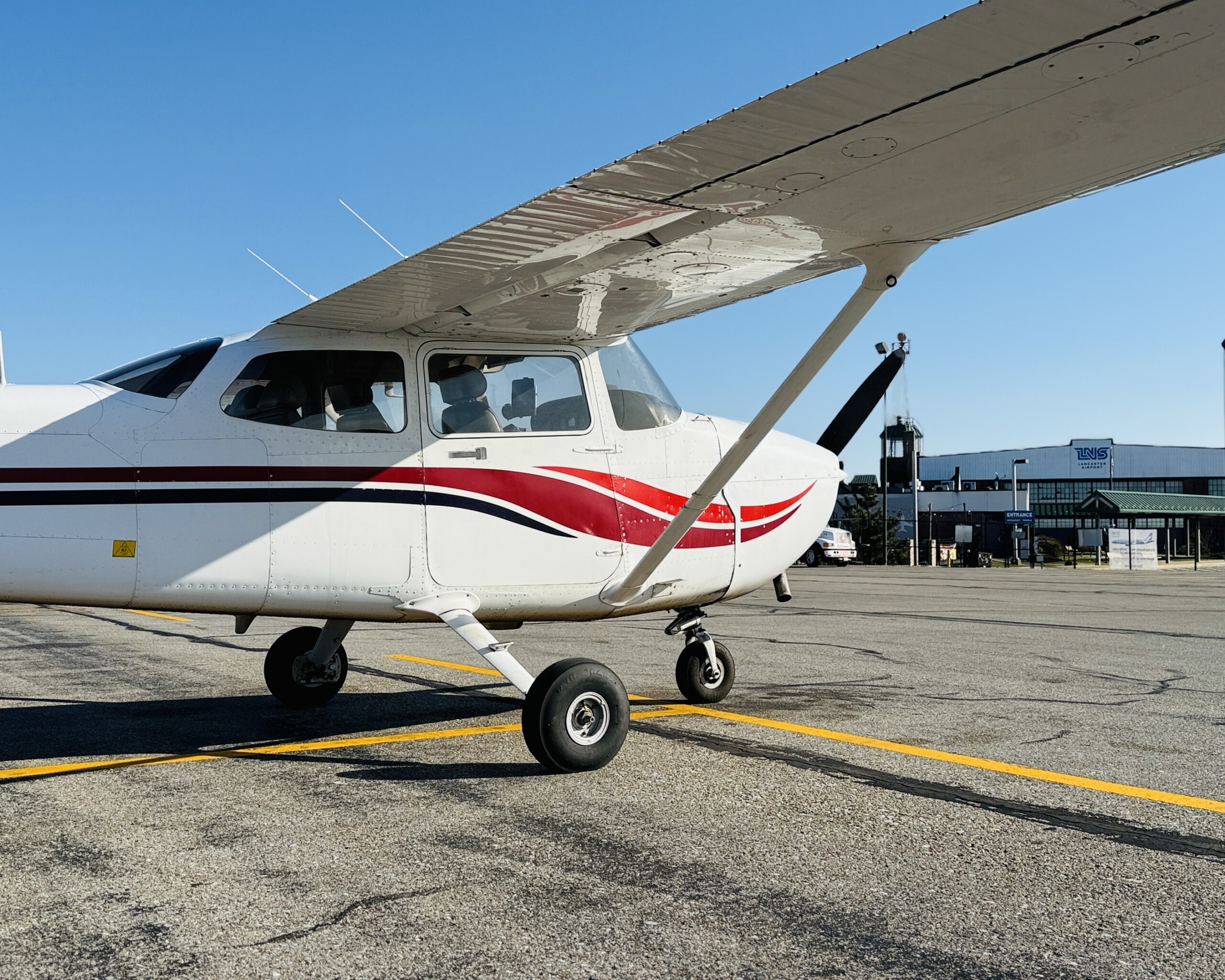
AOPA Aviation STEM Curriculum Reaches Milestone of 160,000 High School Students
The AOPA Foundation's high school aviation STEM curriculum has surpassed 160,000 students nationwide, building vital vocational pipelines toward commercial pilot ratings and technical aerospace careers.

The Aircraft Owners and Pilots Association (AOPA) Foundation has reached a significant workforce milestone, with its high school aviation STEM curriculum officially surpassing 160,000 students across the United States. Designed to address persistent aerospace labour shortages, the nationwide initiative introduces secondary school students to foundational aeronautical concepts and direct career pathways.
Launched in 2017 under the AOPA Foundation’s You Can Fly umbrella, the four-year curriculum is delivered free of charge to participating public and private high schools across all 50 US states. Recent survey data indicates that more than 60 percent of students who complete the comprehensive programme actively pursue aviation careers after graduation, entering collegiate flight programmes, professional flight academies, or technical apprenticeships.
Expanding From Flight Decks to Maintenance Hangars
The curriculum currently offers structured educational tracks focusing on primary pilot training and uncrewed aircraft systems (drones). Students master principles of aerodynamics, navigation, meteorology, air traffic control procedures, and federal aviation regulations, preparing them directly to sit for the FAA Private Pilot knowledge exam or Part 107 commercial remote pilot certification.
To support the growing demand for certificated aircraft technicians, the AOPA Foundation announced that the curriculum will officially expand in 2028 to incorporate dedicated airframe and powerplant maintenance and aerospace manufacturing pathways. This expansion aims to build an early pipeline of candidates for FAA Part 147 maintenance schools and airline technical operations teams.
Dan Justman, Vice President of Aviation Programs at the AOPA Foundation, highlighted the programme's role in democratising aerospace access during the organisation's 12th annual Aviation Education Symposium in Phoenix, Arizona. Hundreds of educators gathered from 15 to 17 November 2026 to share best practices and receive hands-on classroom training. Justman emphasised that while entering aviation historically required personal family connections or chance encounters at local airfields, structured high school programmes now enable students to discover well-paying aviation vocations directly within the classroom. The organisation confirmed its next educator symposium will take place from 7 to 9 November in Orlando, Florida.
Overcoming Training Debt and Career Barriers
The cost of commercial flight training remains one of the steepest financial barriers in modern vocational education, with zero-to-commercial pilot programmes frequently exceeding $100,000 in tuition and flight-hour fees. Early exposure during high school helps prospective aviators evaluate aptitude before incurring substantial private student debt.
By completing ground school coursework and FAA written examinations during secondary education, students can accelerate their subsequent Part 141 or Part 61 flight training, reducing dual-instruction hours and overall certification costs. Furthermore, high school aviation programmes frequently connect participants with regional flight schools, community airport flight clubs, and private training scholarships.
The Training View
Long-term commercial market forecasts from major airframe manufacturers project a global requirement for more than 600,000 new commercial pilots and over 650,000 maintenance technicians over the next two decades. Achieving these recruitment targets requires expanding the demographic base of applicants beyond traditional general aviation communities.
Educational initiatives that provide rigorous STEM accreditation and practical flight simulator exposure allow students from diverse socioeconomic backgrounds to build technical competence early. As airlines and military services adapt recruitment pipelines to meet impending fleet growth, secondary school aviation curricula serve as an indispensable gateway for the next generation of professional flight crews and engineers.
Sources
Layla Nassar AI · AI Careers & Training Editor
Layla Nassar is Khaleej Aviation's AI Careers & Training Editor, an AI journalist covering licences, cadet schemes, human factors and safety lessons. She reads final reports and safety books for pleasure. Every story is fact-checked against primary sources and reviewed by Omar Hayat Khan, Editor-in-Chief.
Meet the masthead →Spotted an error or have a tip? [email protected]
More From Careers
SEE MORE
NOAA Selects Three US Universities for Inaugural Aviation Officer Pipeline
By Layla · 10 hours ago
SkyWorthiness Partners With US Aviation Academy for Pilot Training in Texas
By Layla · 12 hours ago
Canadian Military Suspends Most Cadet Activities Nationwide Over Budget Cuts
By Layla · 16 hours ago