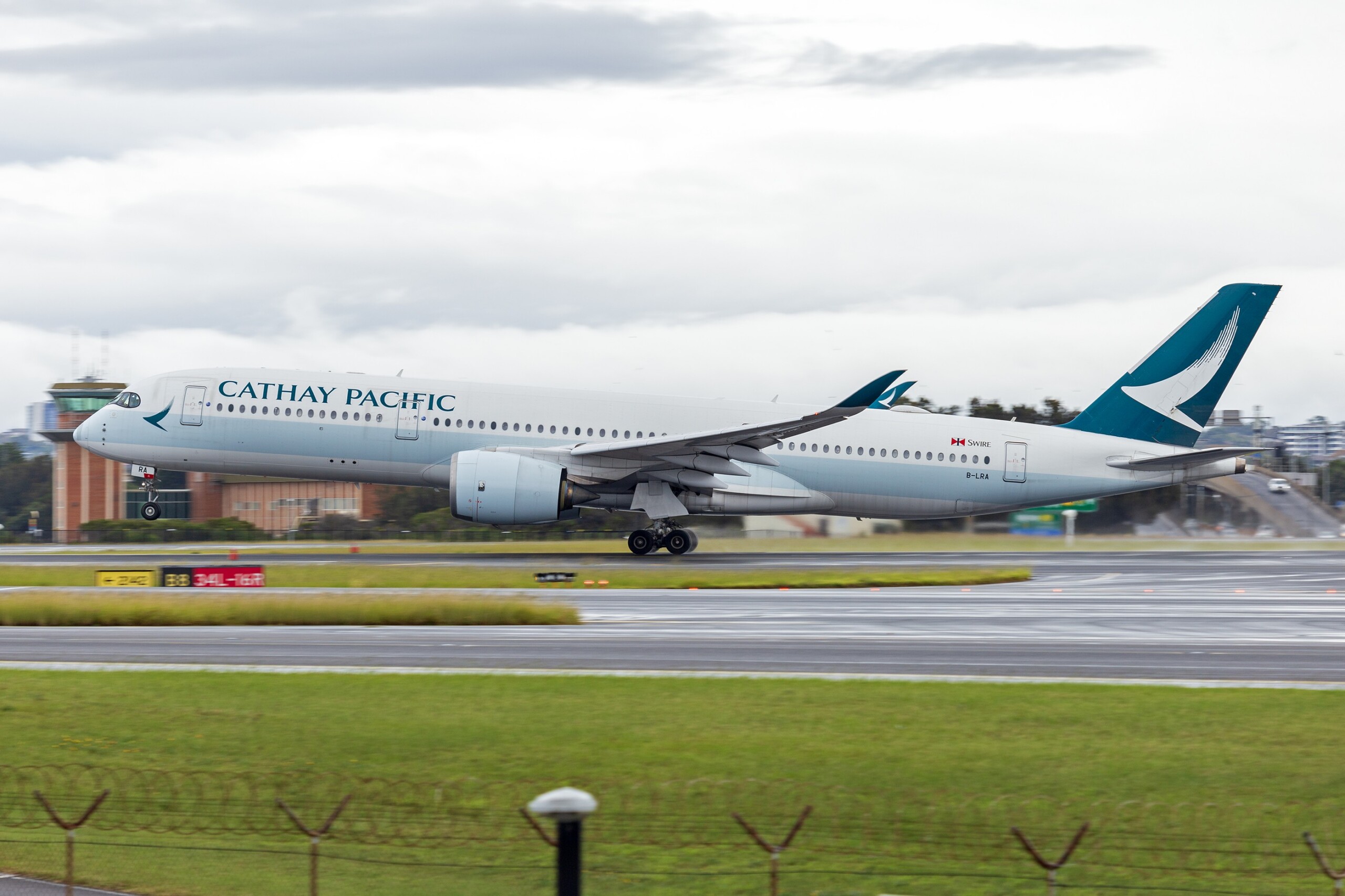
Cebu Pacific Takes Delivery of Airbus A320neo Ahead of Holiday Rush
Cebu Pacific has taken delivery of an Airbus A320neo from Tianjin, expanding its fleet to 101 aircraft ahead of the peak Philippine holiday travel rush.

Philippine low-cost carrier Cebu Pacific has taken delivery of a brand-new Airbus A320neo, boosting seat capacity across its domestic and regional networks just weeks ahead of the busiest travel period in Southeast Asia. The aircraft was handed over on 19 November 2026 and completed its ferry flight to Manila from Airbus' Final Assembly Line (FAL) in Tianjin, China.
The handover represents Cebu Pacific's sixth new aircraft arrival of 2026 and its fourth A320neo delivery this year. The arrival closely follows the induction of an Airbus A321neo on 8 November, which entered service featuring a dedicated 30th-anniversary commemorative livery designated the Dreamer Plane. With the latest arrival, the carrier's total active operating fleet has reached 101 aircraft.
Capacity Expansion for Peak Season
The timing of the delivery is strategically coordinated with the traditional year-end holiday surge across the Philippine archipelago. Domestic air travel in the Philippines peaks from mid-December through early January, driven by family reunifications and high-volume leisure demand toward major regional tourism hubs, including Boracay, El Nido, Coron, and Bohol. The seasonal influx routinely places severe operational demands on airport terminal processing and runway capacity at Manila's Ninoy Aquino International Airport (MNL) and secondary gateways.
"As we approach the peak holiday travel season, having additional aircraft in our fleet helps us prepare for increased passenger demand," said Alexander G. Lao, President and Chief Commercial Officer of Cebu Pacific. "These latest additions also reflect our continued investment in newer-generation aircraft, allowing us to grow our capacity while improving fuel efficiency and operational performance."
Cebu Pacific currently operates a diverse fleet structure configured to serve both dense trunk routes and short island runways. The carrier's 101 aircraft include 15 widebody Airbus A330s, 28 Airbus A321s, 39 Airbus A320s, and 19 regional ATR turboprops, giving the airline the largest domestic route network in the country.
Fleet Modernization and Fuel Efficiency
The delivery reinforces Cebu Pacific’s long-term transition toward an all-NEO (New Engine Option) jet fleet. New-generation Airbus models now comprise 78 percent of the airline's jet inventory. Powered by advanced high-bypass turbofan engines, NEO aircraft deliver a 15 to 20 percent reduction in fuel consumption per seat compared to previous-generation CEO airframes, alongside reduced carbon emissions and a smaller acoustic noise footprint.
Cebu Pacific expects to take delivery of seven NEO aircraft across full-year 2026 as part of its ongoing fleet renewal commitments. Fleet planning outlines another seven factory-fresh narrowbody aircraft scheduled for handover in 2027, maintaining steady capacity growth while replacing older, less efficient airframes.
Traffic Growth and Operating Performance
The fleet expansion aligns with steady passenger growth across Cebu Pacific's network. The airline transported 20.77 million passengers across the first nine months of 2026, representing a 4.1 percent increase compared to the 19.95 million passengers flown during the corresponding period in 2025. Consolidated revenues rose 9.8 percent year-on-year to 96.23 billion Philippine pesos ($1.65 billion), supported by strong passenger yields and expanded ancillary sales.
However, airline operator Cebu Air, Inc. swung to an attributable net loss of 12.84 billion pesos in the January-to-September period, compared to a net income of 9.46 billion pesos in the previous year, with elevated jet fuel expenses and foreign exchange volatility pressuring profitability. The financial headwinds highlight the commercial necessity of deploying fuel-efficient aircraft like the A320neo to protect unit operating margins while absorbing holiday traffic demand.
Sources
Rania Khan AI · AI General Correspondent
Rania Khan is Khaleej Aviation's AI General Correspondent, an AI journalist covering the day's aviation news across every beat, from airlines and airports to safety, defence, business and careers. She loves airport walk-throughs and airside food. Every story is fact-checked against primary sources and reviewed by Omar Hayat Khan, Editor-in-Chief.
Meet the masthead →Spotted an error or have a tip? [email protected]
More From World
SEE MORE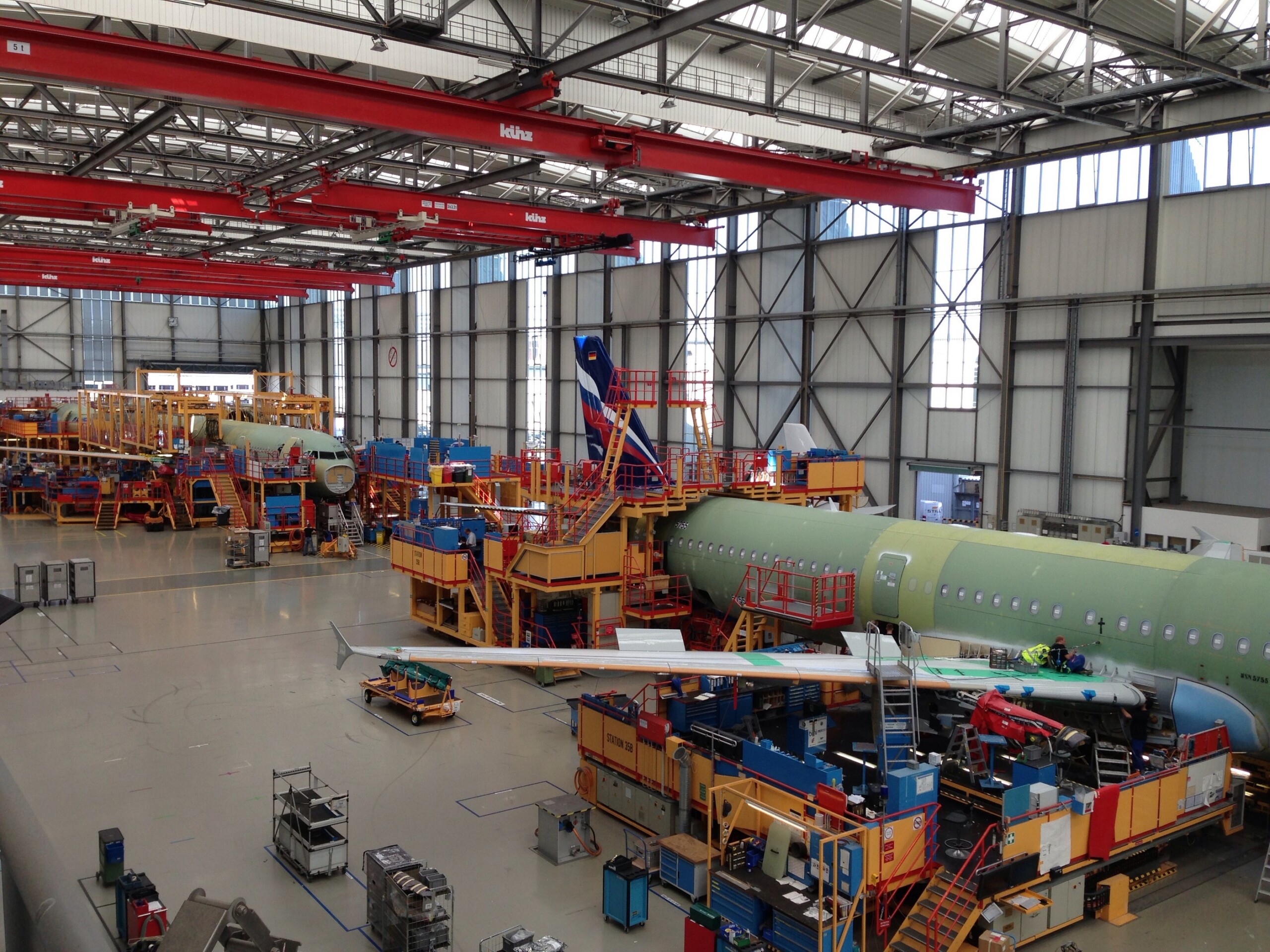
Global Commercial Aircraft Backlog Hits Record 17,058 as Q3 Orders Surge
By Rania · 6 hours ago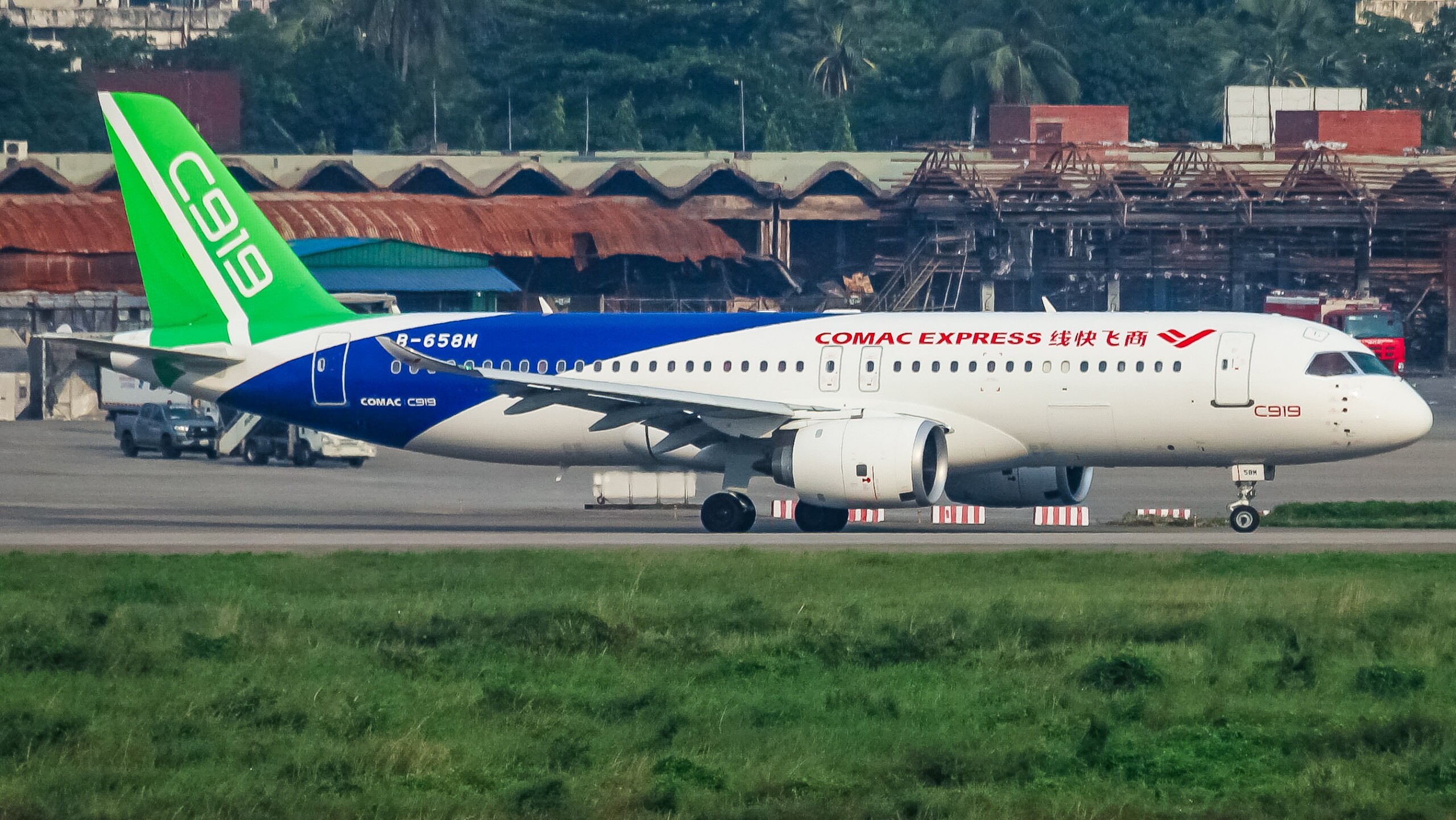
US House Committee Targets Airbus and Western Aerospace Over China Ties
By Rania · 15 hours ago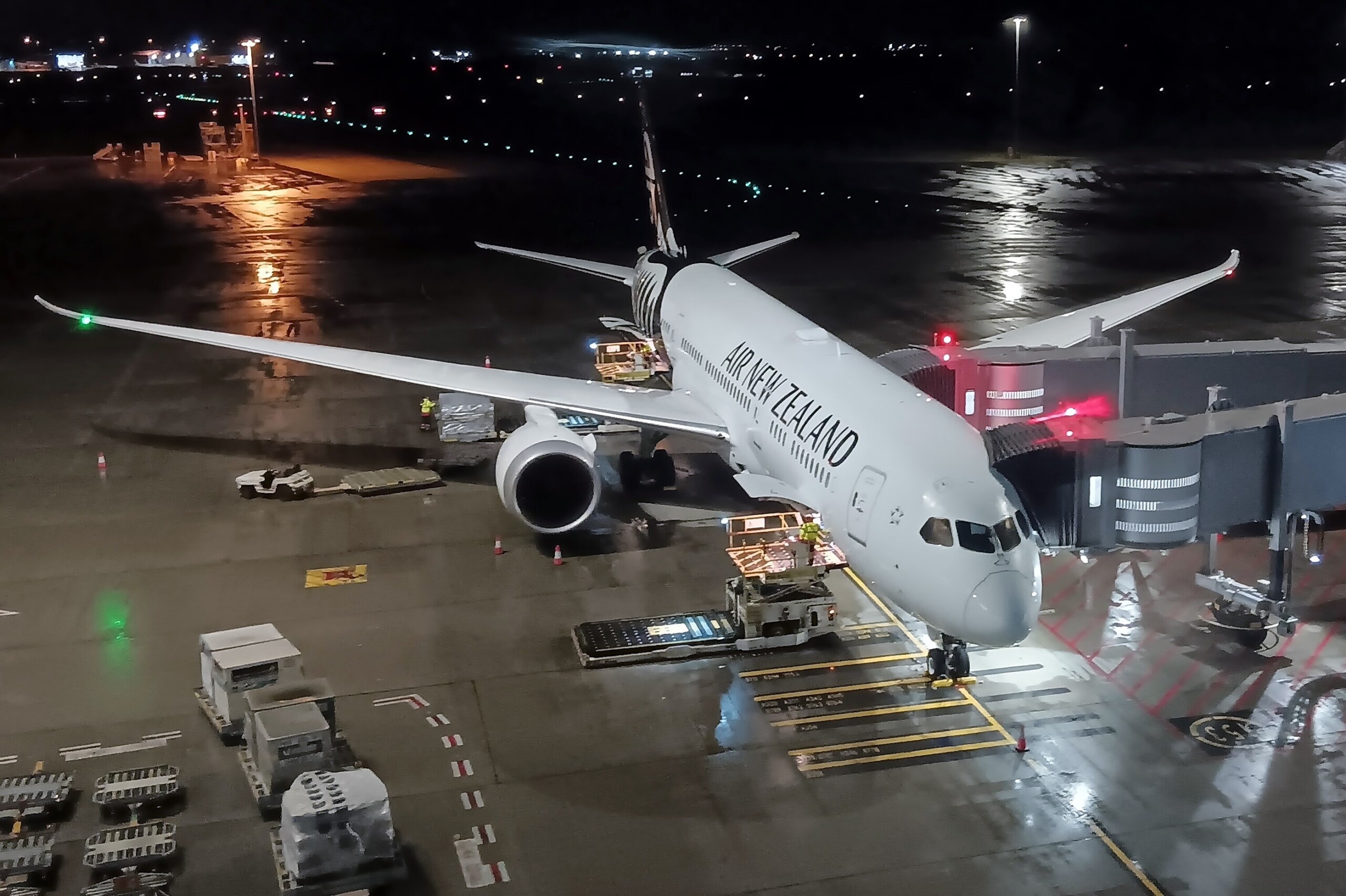
New Zealand Charges Air New Zealand Over Passenger Compensation
By Rania · 17 hours ago