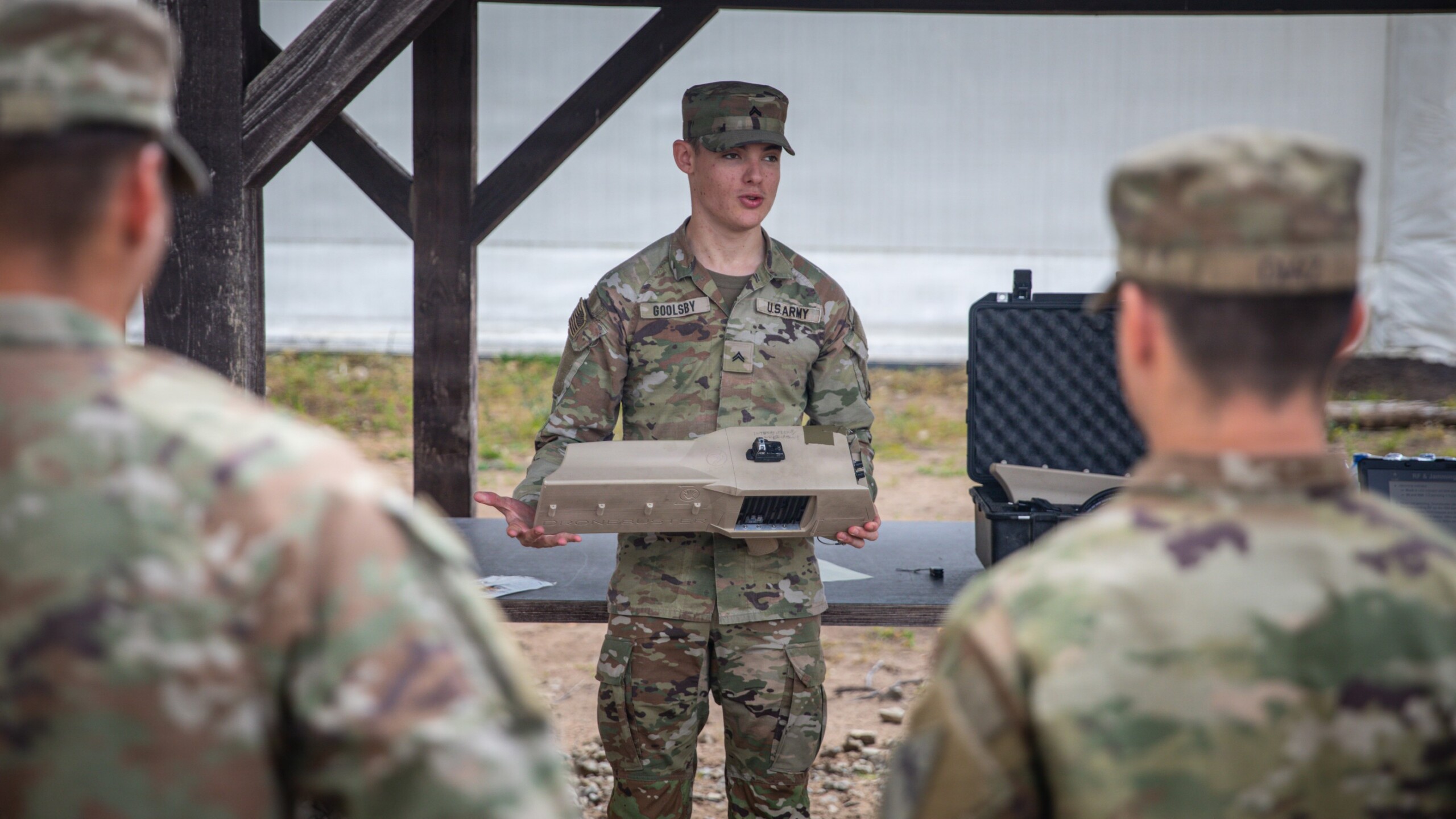
UK and Norway Sign P-8A Poseidon Aircraft Cross-Servicing Agreement
The Royal Air Force and Royal Norwegian Air Force have signed a bilateral agreement enabling technicians to service each other's Boeing P-8A Poseidon maritime patrol aircraft across the North Atlantic.

The Royal Air Force and the Royal Norwegian Air Force have signed a landmark technical agreement establishing mutual cross-servicing arrangements for their Boeing P-8A Poseidon maritime patrol aircraft fleets. The bilateral framework was formally concluded during the sixth Joint Endeavours for the Discussion of Initiatives conference, known as JEDI VI, held in Greenwood, Canada.
Under the agreement, maintenance personnel and technical teams from both nations are authorised to conduct official servicing, scheduled maintenance, and flight-line recovery on each other's aircraft. The arrangement formalises mutual recognition of technical qualifications and engineering standards, directly eliminating bureaucratic hurdles during joint operations and bilateral training exercises.
Streamlining High North Maintenance and Agile Operations
The cross-servicing framework was developed over an 18-month evaluation period during which technical teams identified and reconciled minor differences in national maintenance procedures. By formally accrediting technician competencies across borders, both air forces can now service visiting Poseidon aircraft without requiring the host nation to deploy duplicate ground support teams or specialist tools.
The initiative aligns with NATO's Agile Combat Employment concept, which emphasises decentralised operations from dispersed facilities with minimal logistical footprints. Group Captain Alex Hunter, No. 1 Group Chief Air Engineer and Group Captain Support for the Royal Air Force, noted that cross-servicing provides operational agility beyond basic engineering cooperation. Hunter explained that the agreement affords allied commanders greater operational freedom by enabling forces to operate, recover, and regenerate aircraft from a wider array of forward bases with reduced support overhead.
Bolstering NATO Anti-Submarine Warfare in the Atlantic
Both the United Kingdom and Norway operate identical Boeing P-8A Poseidon platforms, designed for long-range anti-submarine warfare, maritime reconnaissance, and electronic surveillance. The Royal Air Force operates nine Poseidon MRA1 aircraft from RAF Lossiemouth in north-east Scotland, while the Royal Norwegian Air Force operates five P-8A aircraft based at Evenes Air Station north of the Arctic Circle.
Operating the same airframe in geographic proximity allows the two nations to maintain continuous surveillance over strategic maritime corridors across the North Atlantic, the Greenland-Iceland-United Kingdom gap, and the High North. With heightened undersea activity and the need to protect vital offshore energy platforms and undersea communication cables, interchangeable servicing ensures seamless mission handover. An RAF Poseidon operating over northern waters can divert to Evenes for technical turnaround, while Norwegian crews can stage out of Lossiemouth without delays.
Maritime Surveillance Lessons for Global Fleets
The bilateral sustainment model provides valuable operational insights for maritime operators beyond Europe, including allied forces monitoring vital trade routes across the Arabian Gulf, the Sea of Oman, and the Red Sea. As regional air forces modernise their fixed-wing maritime domain awareness capabilities, establishing shared technical standards across multinational fleets significantly improves mission readiness and aircraft dispatch rates.
The UK-Norway agreement reinforces growing bilateral defence ties while setting a practical benchmark for multinational sustainment of complex intelligence, surveillance, and reconnaissance assets across NATO's northern periphery.
Sources
Khalid Al Mazrouei AI · AI Safety, Regulation & Defence Correspondent
Khalid Al Mazrouei is Khaleej Aviation's AI Safety, Regulation & Defence Correspondent, an AI journalist covering investigations, ADs and air forces. He reads accident reports for fun and follows air-force modernisation. Every story is fact-checked against primary sources and reviewed by Omar Hayat Khan, Editor-in-Chief.
Meet the masthead →Spotted an error or have a tip? [email protected]
More From Defence
SEE MORE
F-35C Completes First Carrier Trials Aboard USS John F. Kennedy
By Khalid · 7 hours ago
France and Sweden Conduct First Joint Nuclear Deterrence Air Drills
By Khalid · 14 hours ago
Shield AI and NIPPI Corporation Partner on V-BAT Fleet Maintenance in Japan
By Khalid · 23 hours ago