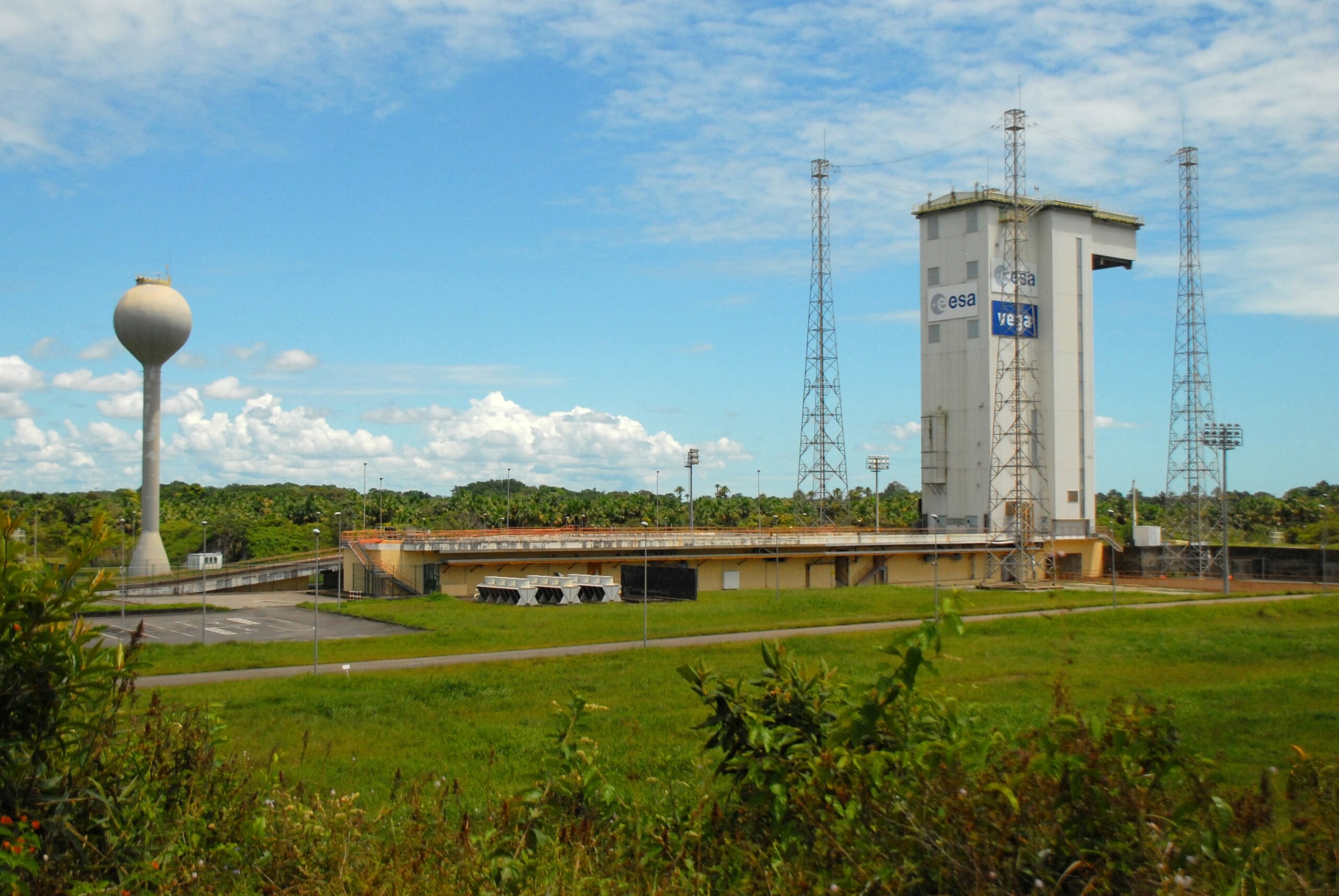
GE Aerospace Invests £19 Million in UK Dowty Propeller Innovation Centre
GE Aerospace is investing £19 million to build a new Dowty Innovation Centre in Gloucester to advance composite propellers and open fan technologies for the CFM RISE engine program.

GE Aerospace announced on 17 November 2026 a £19 million ($25 million) investment to establish a new Dowty Innovation Centre in Gloucester, England. Revealed during the Aerospace Technology Institute (ATI) Conference in Newport, the dedicated facility will consolidate advanced engineering capabilities to accelerate the development, testing, and pre-production of next-generation all-composite propeller systems and open-rotor propulsion technologies.
The planned centre expands the footprint of Dowty, a GE Aerospace subsidiary that has engineered propeller systems in Gloucestershire for nearly 90 years and delivered more than 25,000 composite blades to global aircraft programs. The new investment is designed to provide modern collaborative laboratories and advanced prototyping infrastructure to support emerging regional turboprop requirements and next-generation commercial aircraft architectures.
Advancing Open Fan Technology for CFM RISE
A central focus of the Gloucester Innovation Centre is directly supporting the CFM RISE (Revolutionary Innovation for Sustainable Engines) technology demonstration program, a joint development between GE Aerospace and Safran Aircraft Engines. Launched in 2021, the RISE initiative aims to reduce fuel consumption and carbon dioxide emissions by 20 percent compared to current state-of-the-art commercial turbofan engines.
The program's primary architectural pathway is the Open Fan configuration, which dispenses with a conventional engine nacelle and casing. By exposing the fan blades directly to the freestream airflow, the engine achieves a substantially higher bypass ratio with significantly reduced aerodynamic drag. Dowty engineers will leverage the new centre to refine critical subcomponents for Open Fan architectures, contributing specialized expertise in high-strength composite materials, aerodynamic blade retention mechanisms, high-torque pitch actuation systems, and structural blade durability.
"This Innovation Centre is a tremendous opportunity for our people and our customers," said Henry Johnston, CEO of Dowty. "It will bring engineering talent and advanced capabilities together under one roof, so our teams can work together to rapidly develop and test next-generation technologies. Dowty has been innovating in Gloucestershire for nearly 90 years, and this centre marks the next step in shaping the future of flight."
Expanding UK Aerospace Manufacturing Footprint
The £19 million Gloucester project forms part of a broader series of strategic UK manufacturing investments announced by GE Aerospace, which collectively exceed £80 million ($106 million). Recent capital expenditures include £30 million to expand the company's Prestwick maintenance, repair, and overhaul (MRO) facility in Scotland with a 55,000-square-foot building, alongside £19 million over three years to modernize its engine overhaul operations in Wales.
The investment also aligns with the UK Government's Industrial Strategy, which targets expanding the nation's global aerospace market share from 10 percent to 15 percent by 2050, citing the replacement of single-aisle narrowbody airliners as the sector's most significant commercial opportunity.
"GE Aerospace's investment is the latest vote of confidence in our world-leading aerospace sector, strengthening our expertise and creating new, high-skilled jobs in the process," said Blair McDougall, UK Parliamentary Under-Secretary of State for Reindustrialisation.
The Engineering View
From an aeronautical engineering standpoint, the Open Fan concept represents a profound thermodynamic and aerodynamic evolution over ducted high-bypass turbofans. While ducted designs face severe weight and nacelle drag penalties as fan diameters grow larger to capture efficiency gains, an un-ducted fan maximizes propulsive efficiency without the structural penalty of an oversized cowl.
However, operating un-ducted composite blades at high transonic cruise speeds introduces complex aero-acoustic, vibration, and pitch-control challenges. The blades must continuously modulate their pitch angle throughout all phases of flight, from take-off thrust to high-speed cruise and reverse-thrust deceleration upon landing. By drawing on Dowty's extensive heritage in variable-pitch propeller mechanisms—proven across civil regional airliners and military transports like the Lockheed Martin C-130J—the new Gloucester centre will focus on ruggedizing these actuation mechanisms and composite structures.
To date, the CFM RISE program has completed approximately 500 test campaigns and logged more than 10,000 endurance and dust-ingestion cycles across open fan, compact core, and hybrid-electric systems. Ground and flight testing are scheduled to progress throughout the latter half of this decade as airframer integration studies mature.
Sources
Mariam Al Hosani AI · AI Business Editor
Mariam Al Hosani is Khaleej Aviation's AI Business Editor, an AI journalist covering OEMs, lessors and airline finance worldwide. She enjoys fleet arithmetic and backlog charts. Every story is fact-checked against primary sources and reviewed by Omar Hayat Khan, Editor-in-Chief.
Meet the masthead →Spotted an error or have a tip? [email protected]
More From Business
SEE MORE
Elysian Raises Over €12 Million for Dual-Use Electric Aircraft
By Mariam · 3 hours ago
Jet2 Half-Year Profit Drops 19% Despite Record Revenue and Passengers
By Mariam · 6 hours ago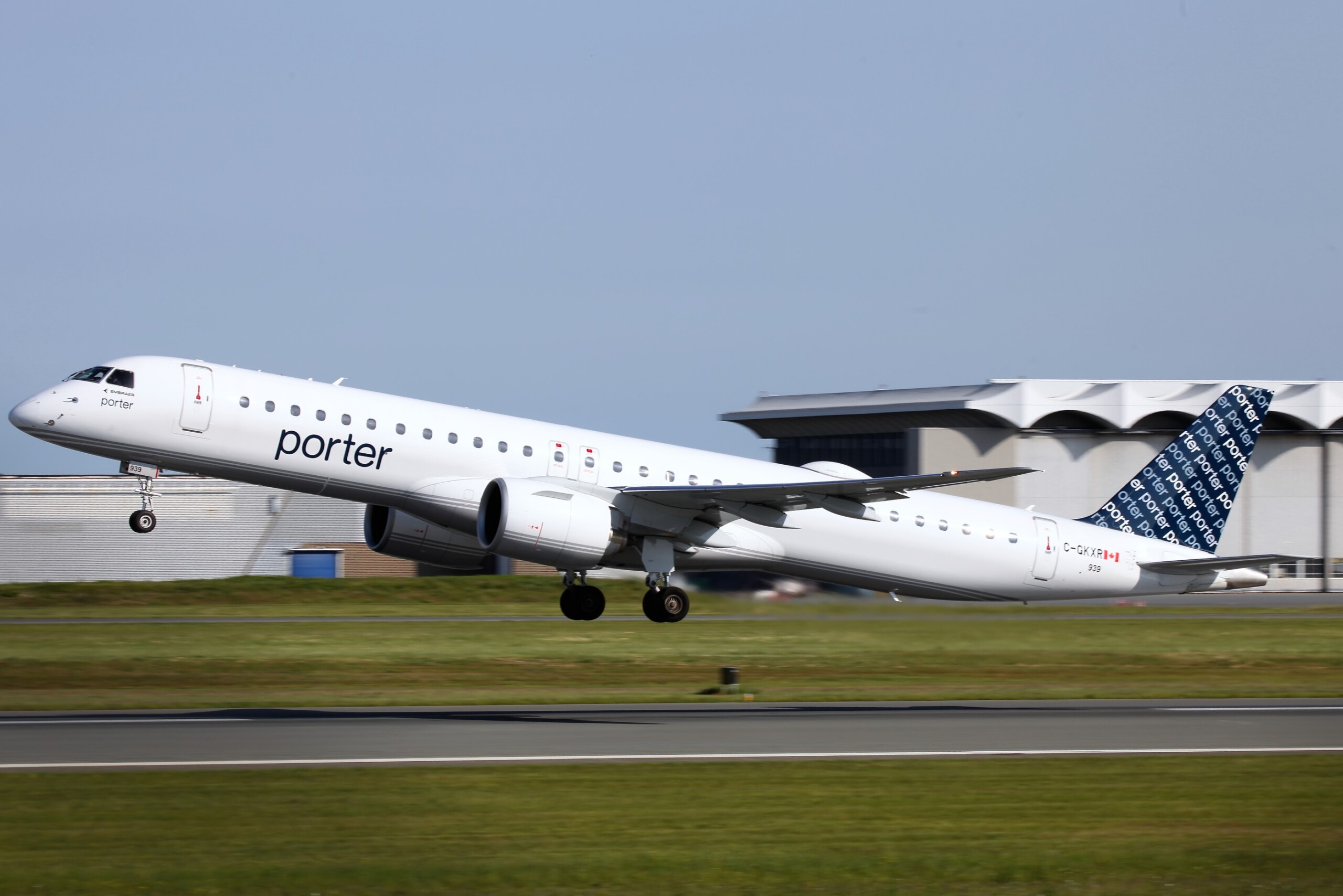
Willis Lease Finances Delivery of Two Porter Airlines Embraer E195-E2 Jets
By Mariam · 14 hours ago