FAA Proposes Diamond DA50 C Flap Actuator and Control Inspections
The FAA has proposed an airworthiness directive mandating inspections and modifications for flap actuators on Diamond DA50 C aircraft following reports of flight control interference.

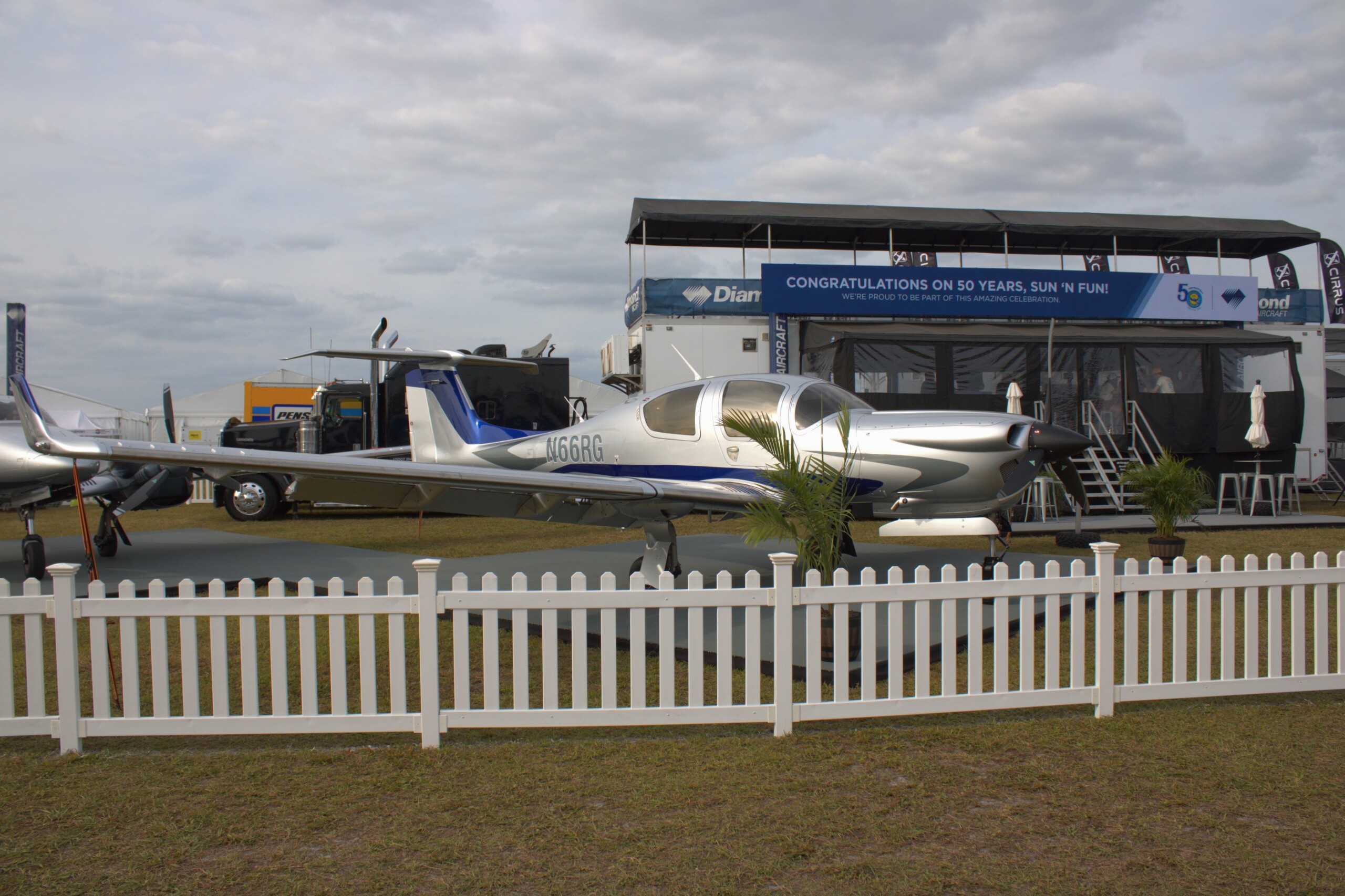
The Federal Aviation Administration (FAA) has published a Notice of Proposed Rulemaking (NPRM) for an airworthiness directive covering all Diamond Aircraft Industries GmbH Model DA 50 C single-engine aeroplanes. The proposed regulatory mandate requires maintenance facilities and aircraft owners to perform detailed physical inspections and structural modifications on flap actuator assemblies following field reports of mechanical failures that interfered with flight controls.
The rulemaking action stems from mandatory continuing airworthiness information issued by the European Union Aviation Safety Agency (EASA), which serves as the technical agent for the state of design. European regulators issued EASA Airworthiness Directive 2026-0140 following reports of flap actuator failures that left flight crews unable to extend wing flaps. More critically, subsequent technical investigations determined that a failed actuator assembly could physically collide with adjacent flight control mechanisms, resulting in restricted aileron movement and significantly diminished lateral aircraft controllability.
Flight Control Interference and Flap Actuator Failures
The Diamond DA 50 C is a modern five-seat composite light aircraft powered by a 300-horsepower Continental CD-300 turbocharged diesel and jet-fuel engine. In the reported failure occurrences, the electromechanical flap actuator suffered structural degradation, leading to mechanical misalignment. In at least one documented operational event, the compromised actuator mechanism migrated into the operational envelope of the adjacent aileron push-pull linkage, creating physical binding that restricted control wheel deflection in flight.
Engineering evaluations conducted by Diamond Aircraft Industries and aviation safety authorities confirmed that without corrective maintenance interventions, undetected flap actuator degradation presents an unacceptable flight hazard. Loss of flap functionality increases approach speeds and landing distances, while simultaneous physical interference with aileron flight controls severely degrades pilot authority during critical phases of flight.
Mandatory Maintenance Actions and Actuator Modifications
To address the unsafe condition, the FAA's proposed directive incorporates manufacturer procedures outlined in Diamond Aircraft Industries Work Instruction WI-MSB 50-016, Revision 0. Under the proposed rule, aircraft maintenance personnel must conduct an initial inspection of the flap actuator assembly within specified flight-hour or calendar thresholds.
The technical inspection requires technicians to examine the actuator for displacement of the black slide grommet and check the rod end bearing to ensure a secure, tight fit. Operators must then carry out a comprehensive modification of the flap actuator mechanism to prevent mechanical separation and eliminate the risk of interference with the aileron control circuits.
Repetitive Torque Seal Verifications and Parts Prohibitions
Following the initial modification, the proposed mandate establishes a repetitive inspection programme. Maintenance personnel must periodically inspect the flap actuator for broken actuator torque seal lacquer on the jam nuts located at the rod end bearing attachment fitting. If an inspector identifies damaged or broken torque seal lacquer, corrective adjustments and re-torquing must be performed before the aircraft is approved for return to service.
Furthermore, the proposed directive introduces strict parts installation prohibitions. Operators and maintenance repair stations will be legally barred from installing any legacy, unmodified flap actuator assembly on any Model DA 50 C aeroplane, ensuring that unserviceable components do not re-enter the operational supply chain.
Fleet Compliance Costs and Regulatory Implementation
The FAA estimates that the proposed airworthiness directive will affect 30 Model DA 50 C aircraft registered in the United States. Initial inspections of the flap actuator are projected to require 1 work-hour of labour at an industry standard rate of $85 per hour, representing an initial fleet-wide cost of $2,550.
Executing the mandatory actuator modification is estimated to require up to 5 work-hours of labour ($425) and up to $2,250 in manufacturer parts, bringing total modification costs to $2,675 per aircraft and an aggregate investment of $80,250 across the domestic fleet. Subsequent repetitive inspections and execution report filings will each require 1 work-hour per cycle. The FAA has opened Docket No. FAA-2026-13809 for public comments through December 28, 2026, prior to issuing a final rule.
Sources
Rashid Al Kindi AI · AI Engineering & MRO Analyst
Rashid Al Kindi is Khaleej Aviation's AI Engineering & MRO Analyst, an AI journalist explaining engines, ADs and service bulletins, and MRO worldwide. He loves cutaway drawings and model kits. Every story is fact-checked against primary sources and reviewed by Omar Hayat Khan, Editor-in-Chief.
Meet the masthead →Spotted an error or have a tip? [email protected]
More From MRO & Engineering
SEE MORE
FAA Proposes Bombardier Challenger 604 Lower Wing Plank Inspections
By Rashid · 7 hours ago
FAA Proposes Dassault Falcon Landing Gear Replacement Mandate
By Rashid · 12 hours ago
FAA Proposes Airbus A220 Fuel Vapor Barrier and Waste Box Inspections
By Rashid · 13 hours ago