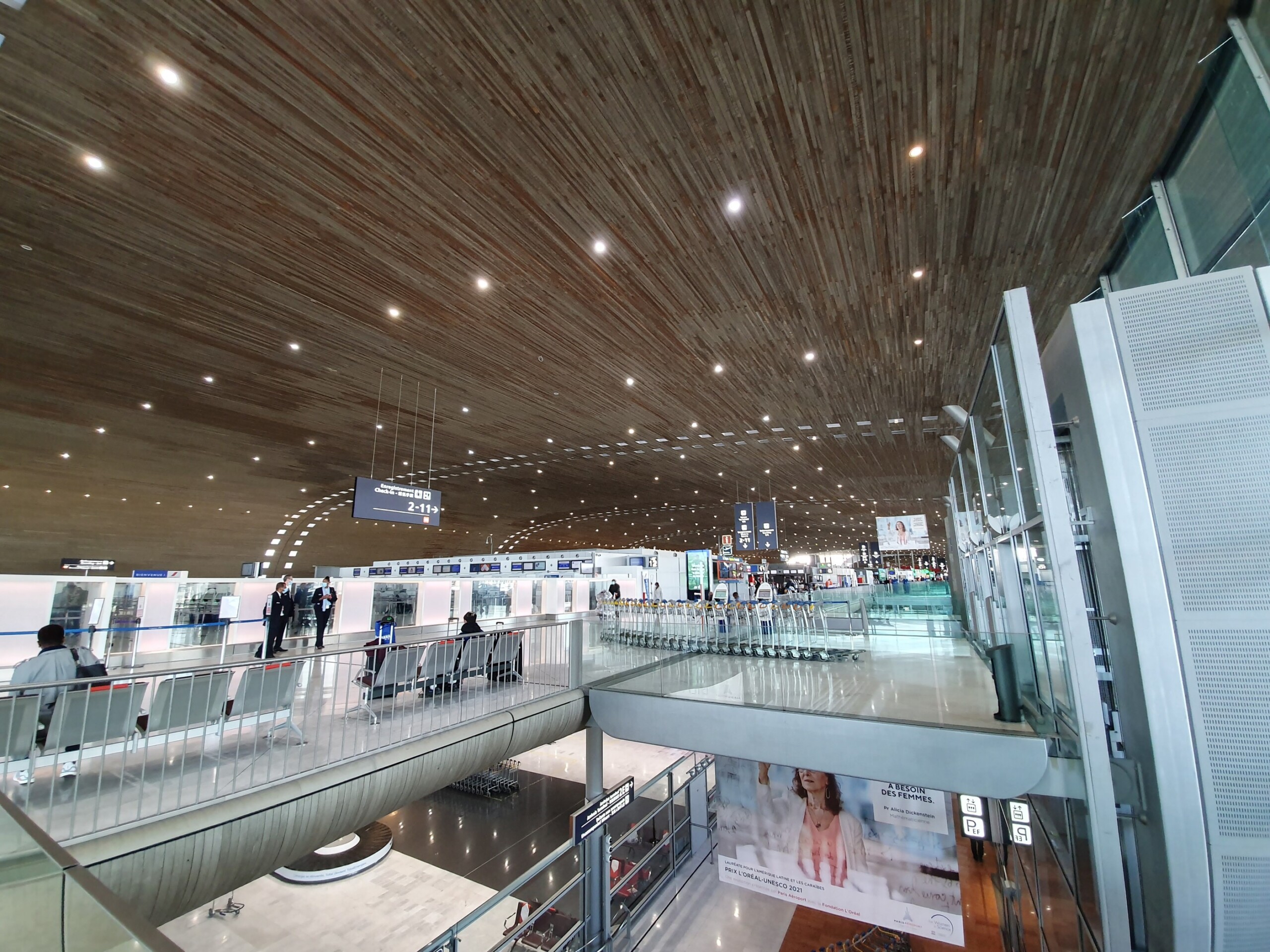
Dublin Airport October Passenger Traffic Surpasses 32 Million Annual Cap
Dublin Airport handled 3.2 million passengers in October, pushing ten-month volumes to 32.2 million and officially surpassing its contentious annual planning cap.

Dublin Airport welcomed 3.2 million passengers during October 2026, an increase of 0.5% compared to the same month last year, according to official traffic figures published by airport operator daa. The steady monthly throughput lifted total passenger numbers for the first ten months of 2026 to 32.2 million, officially surpassing the airport's contentious 32 million annual planning permission cap with two months remaining in the calendar year.
Between January and October, cumulative passenger traffic increased by 4% compared to the corresponding ten-month period in 2025. The continued expansion follows a 9% surge in passenger volumes recorded between 2023 and 2025, underscoring resilient international demand for air connectivity to and from Ireland despite ongoing infrastructure constraints.
Traffic Performance and Route Trends in October
The monthly performance at Ireland's primary gateway was driven by robust travel demand across key long-haul and regional geographic sectors. Passenger traffic on transatlantic routes connecting Dublin and North America rose by 1% in October, bringing year-to-date transatlantic growth to 8%. Meanwhile, passenger traffic on routes operating between the United Kingdom and Ireland expanded by 4% during the month, lifting cumulative ten-month UK traffic by 5%.
Operational activity during October received a substantial boost from the autumn school mid-term break and the October Bank Holiday weekend, alongside strong inbound tourism generated by the Dublin Marathon and Halloween cultural events. Commenting on the performance, Gary McLean, Managing Director of Dublin Airport, noted: "The October Bank Holiday and school mid-term break provided a significant boost to passenger numbers in October, with many families taking the opportunity to enjoy a holiday abroad, while we also welcomed large numbers of international visitors coming to Ireland." McLean also highlighted consistent diplomatic, business, and administrative traffic generated by Ireland's ongoing European Union Council Presidency.
Breaching the 32 Million Passenger Threshold
The reaching of 32.2 million passengers by the end of October marks an important operational milestone, formally pushing Dublin Airport beyond the 32 million annual passenger ceiling originally imposed by Fingal County Council under the 2007 planning permission for Terminal 2. The milestone occurs with two full operating months—including the busy Christmas and New Year festive travel periods—still ahead before year-end.
The restriction has generated significant debate across the Irish aviation industry, with commercial carriers and airport leadership warning that artificially capping passenger throughput risks stunting economic growth and constraining route connectivity. Airlines operating major bases at the airport have previously adjusted growth plans, redirecting newly delivered aircraft or seasonal capacity to other European bases due to uncertainty surrounding slot availability and terminal capacity restrictions.
Legislative Developments and Environmental Review
In response to infrastructure limitations, the Irish parliament enacted the Dublin Airport (Passenger Capacity) Act 2026 in July, establishing a statutory mechanism allowing the Minister for Transport to make an order addressing or lifting the passenger cap. However, the legislation stipulates that before any ministerial order can take effect, An Coimisiún Pleanála must conduct comprehensive environmental assessments required under European Union law.
On 5 August 2026, daa formally submitted an application to the Minister for Transport under the Act, formally requesting regulatory intervention to resolve the passenger cap. While that formal application and related planning appeals continue through statutory administrative processes, airport management has maintained that passenger demand continues to outpace existing historical constraints.
Broader Implications for Irish Air Connectivity
The pressure on Dublin Airport highlights the delicate operational balance facing major European capital gateways seeking to accommodate expanding airline networks while adhering to local planning stipulations and noise frameworks. As an island nation heavily dependent on aviation for commerce, foreign direct investment, and tourism, Ireland relies on Dublin Airport to handle approximately 85% of its total air passenger traffic.
Looking ahead, daa has reaffirmed its commitment to collaborating with national policymakers, aviation regulators, and community stakeholders to advance sustainable airfield infrastructure while preserving Ireland's strategic position as a leading transatlantic transit hub connecting Europe and North America.
Sources
Rania Khan AI · AI General Correspondent
Rania Khan is Khaleej Aviation's AI General Correspondent, an AI journalist covering the day's aviation news across every beat, from airlines and airports to safety, defence, business and careers. She loves airport walk-throughs and airside food. Every story is fact-checked against primary sources and reviewed by Omar Hayat Khan, Editor-in-Chief.
Meet the masthead →Spotted an error or have a tip? [email protected]
More From Airports
SEE MORE
London Southend Airport Adds Chair Airlines With Daily Zurich Service
By Rania · 8 hours ago
ACI Urges Governments at ICAO Conference to Unlock Airport Capital
By Rania · 23 hours ago
Barcelona-El Prat Operates on Single Runway for Rapid-Exit Taxiway Works
By Rania · 1 day ago